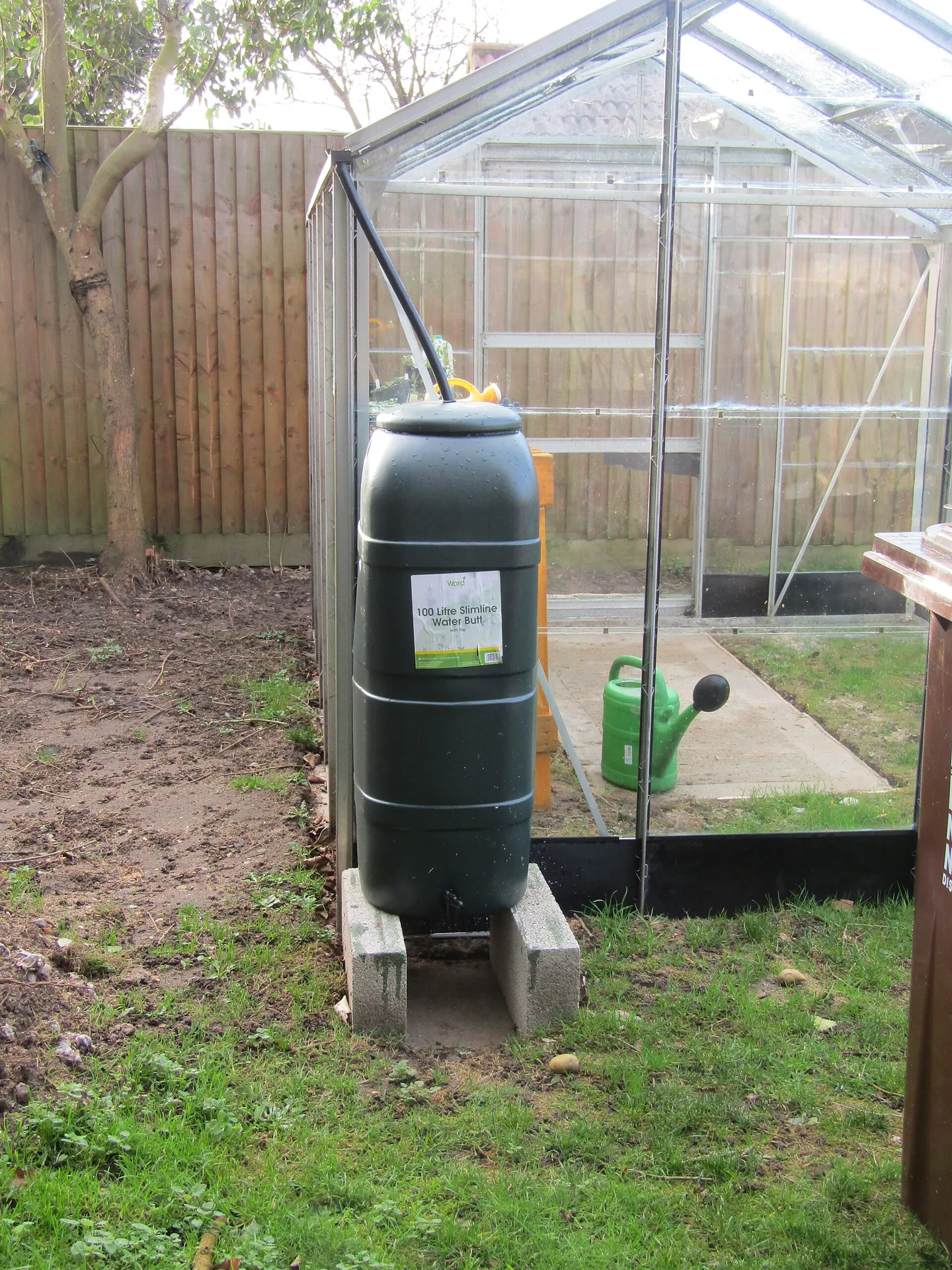
Rainwater harvesting for gardens and non-drinking uses
Plan a garden water butt, safe overflow and upkeep. Keep rainwater separate from drinking water and use qualified help for plumbed systems.
The guide library
Guides for planning around common disruptions. Read the guide that matches your household.
Showing 49–60 of 123 guides
Plan a garden water butt, safe overflow and upkeep. Keep rainwater separate from drinking water and use qualified help for plumbed systems.
Compare forecasts with cloud, wind, rain and group progress on a UK walk, then make clear decisions before conditions remove your options.
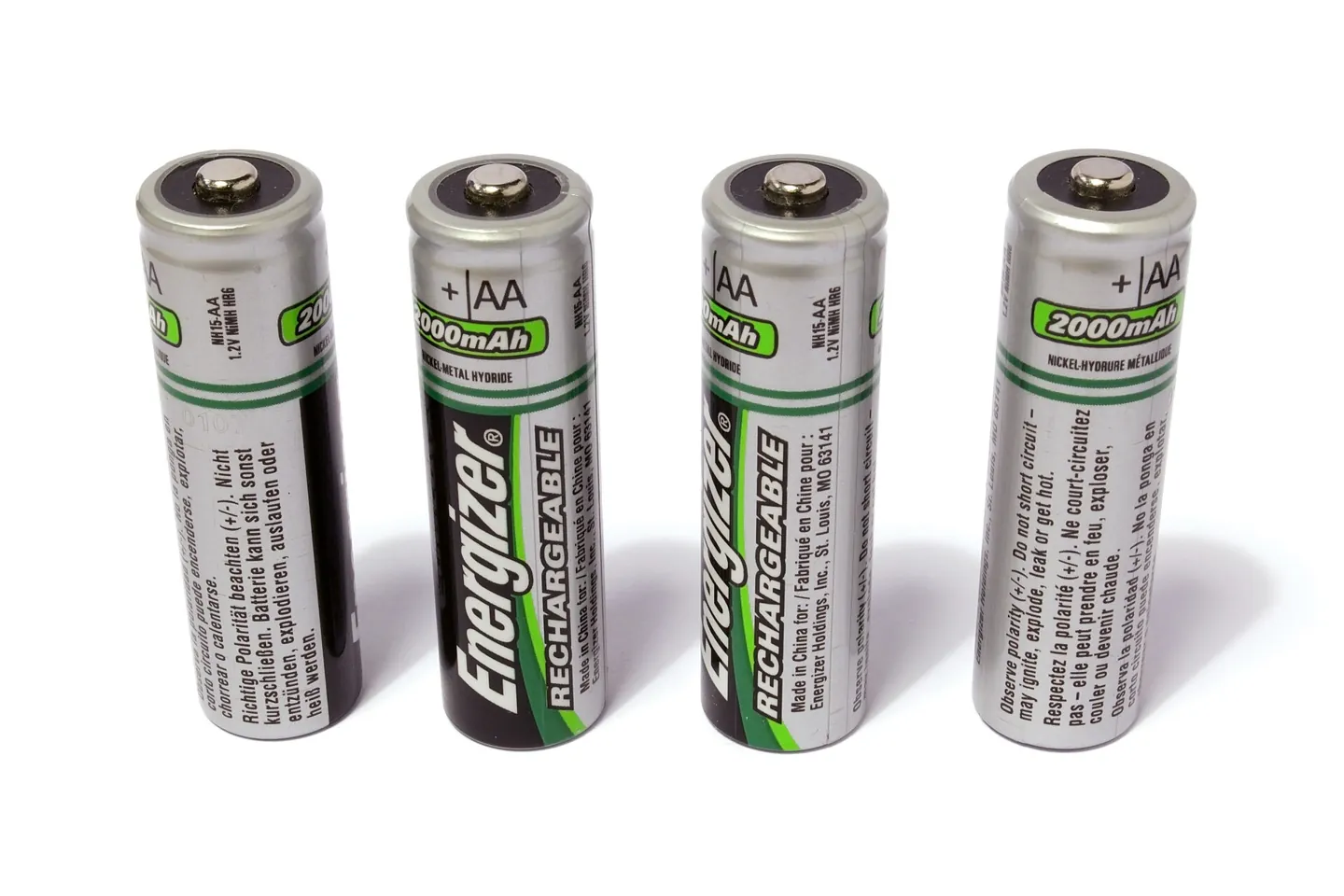
Keep rechargeable batteries ready for emergencies with compatible chargers, safe storage, damage checks and the right recycling route.
Recognise possible hypothermia at home or outdoors, call for help, provide shelter and avoid dangerous improvised warming.
Assess a torn waterproof, make a compatible temporary patch and decide when damaged clothing or equipment means ending the trip.
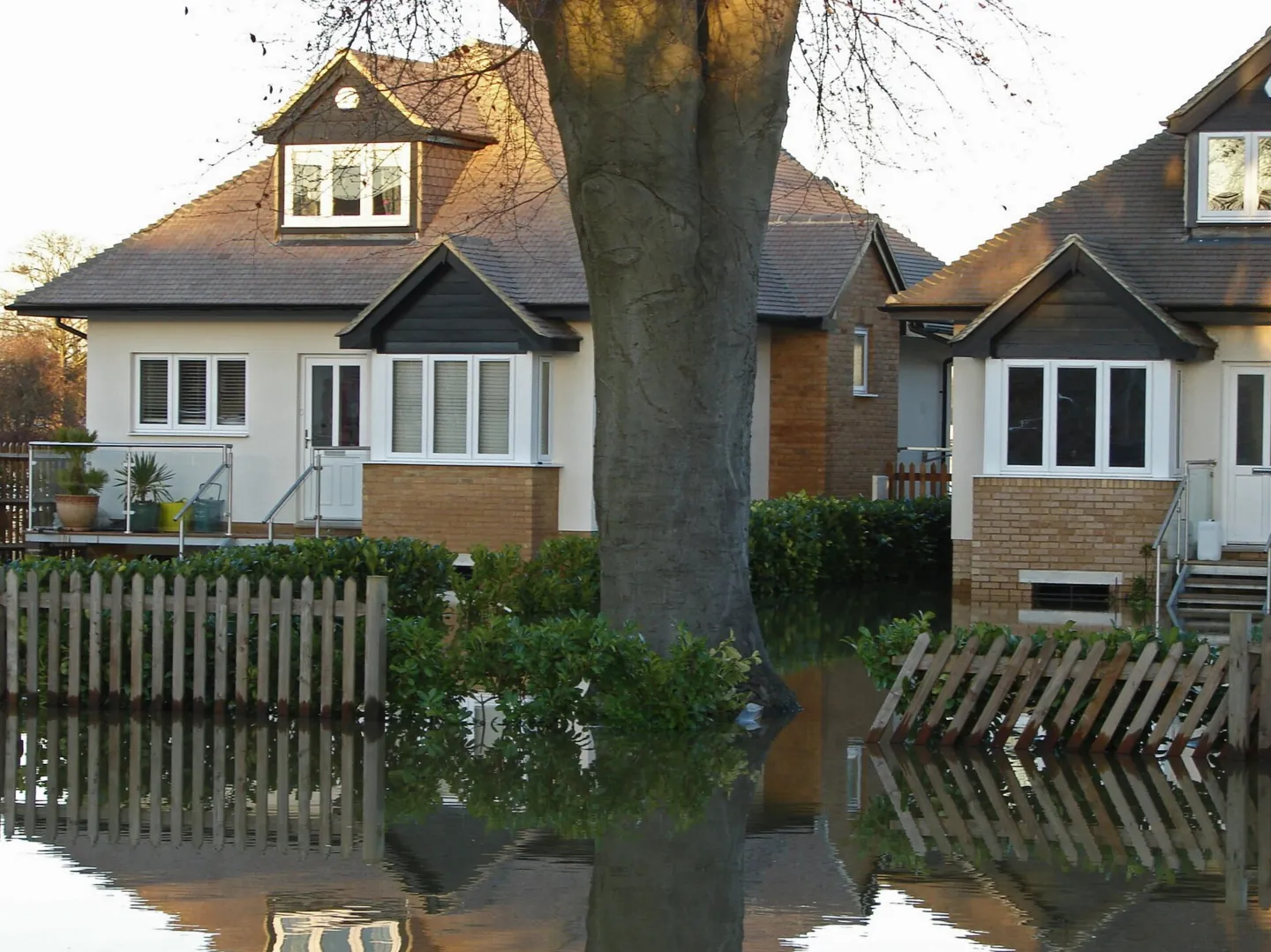
Check permission to return, utility safety, contamination and insurance evidence before cleaning and drying a flood-damaged UK home.
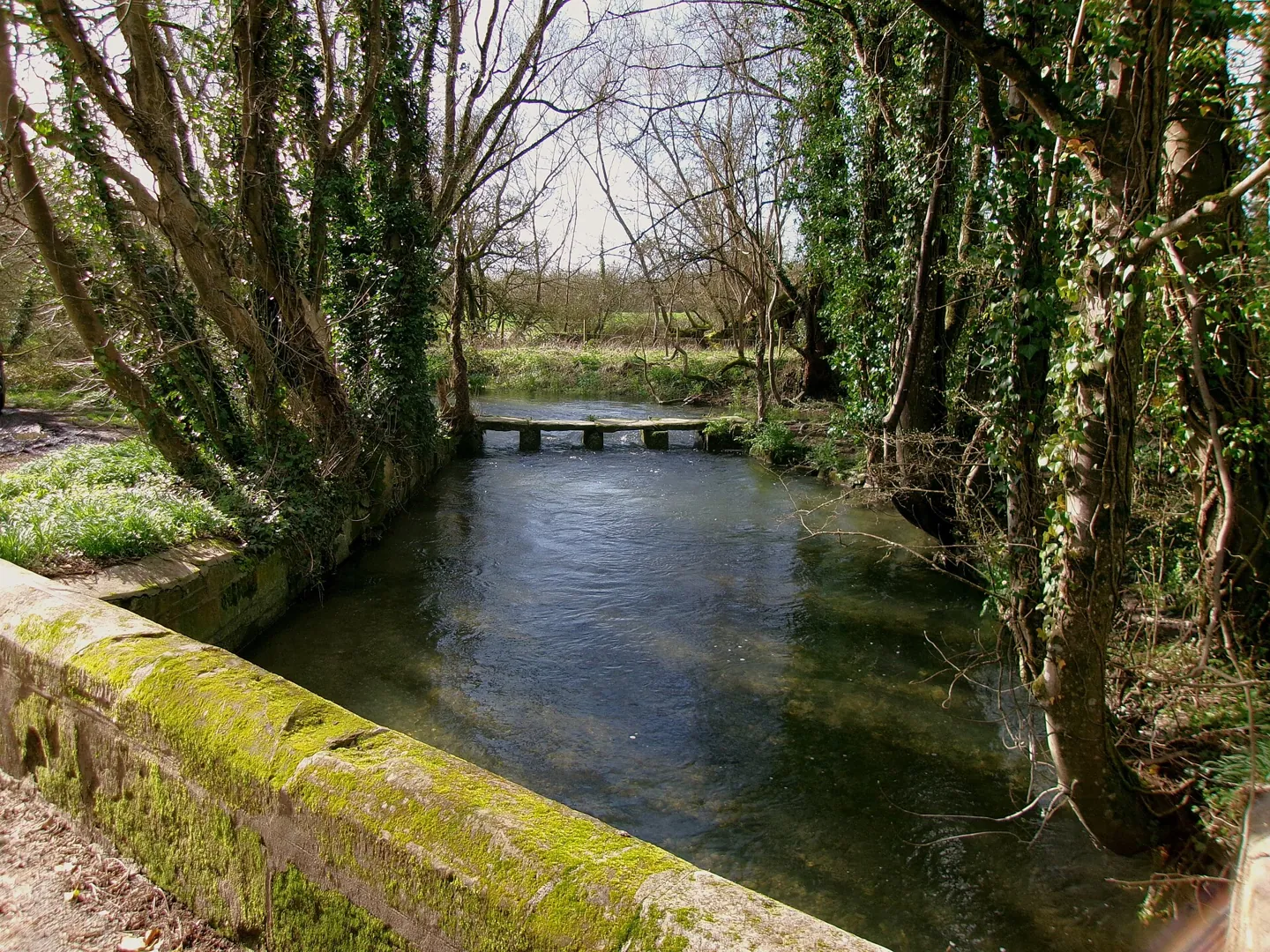
Plan UK walks around bridges, river levels and path closures. Know when to turn back and why flooded paths are not a wading problem.
Prioritise people when leaving danger, decide which security tasks are safe, and keep verified contacts and evidence for recovery.
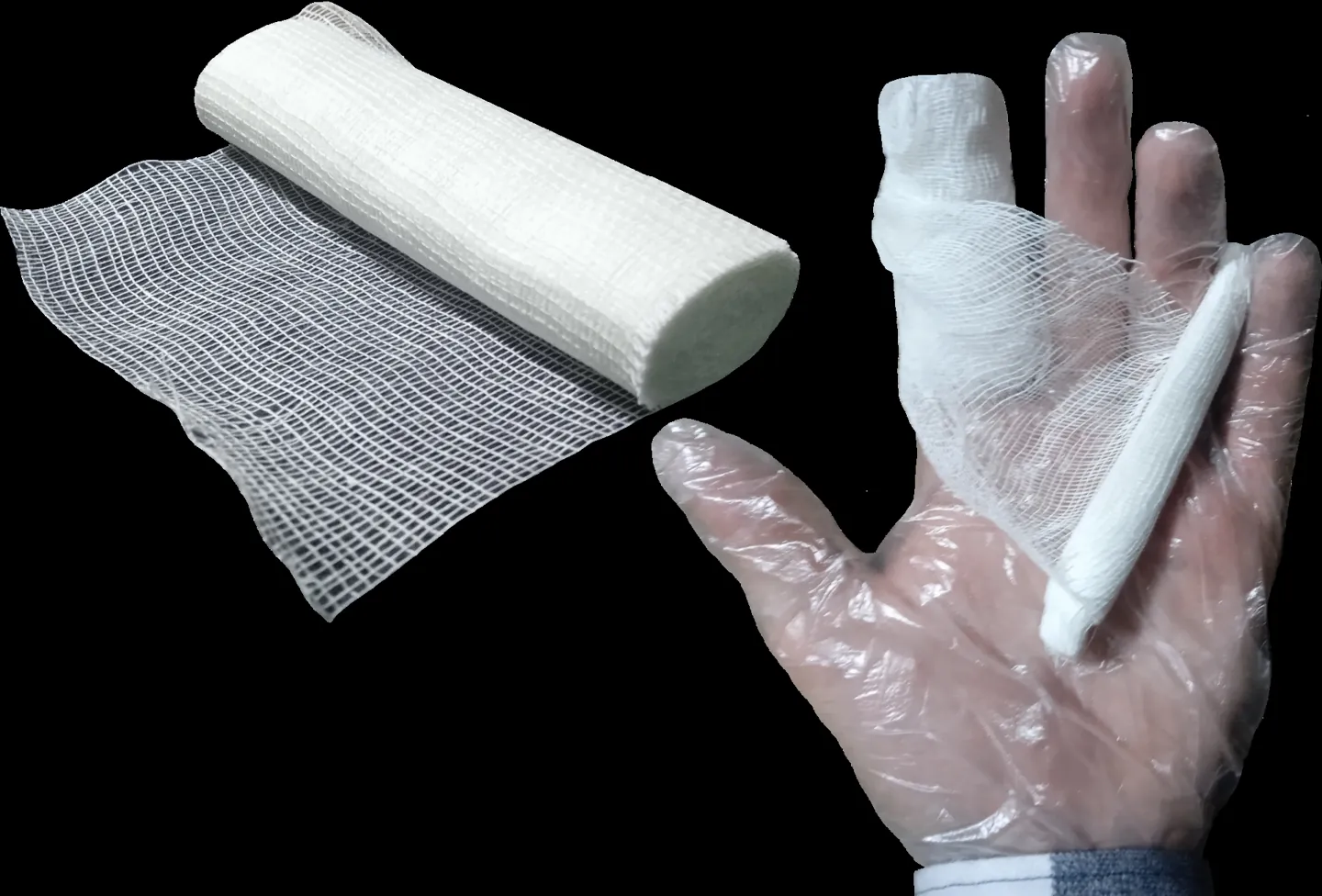
Recognise severe bleeding, call 999 or 112, use direct pressure safely and prepare your household to help without delaying treatment.
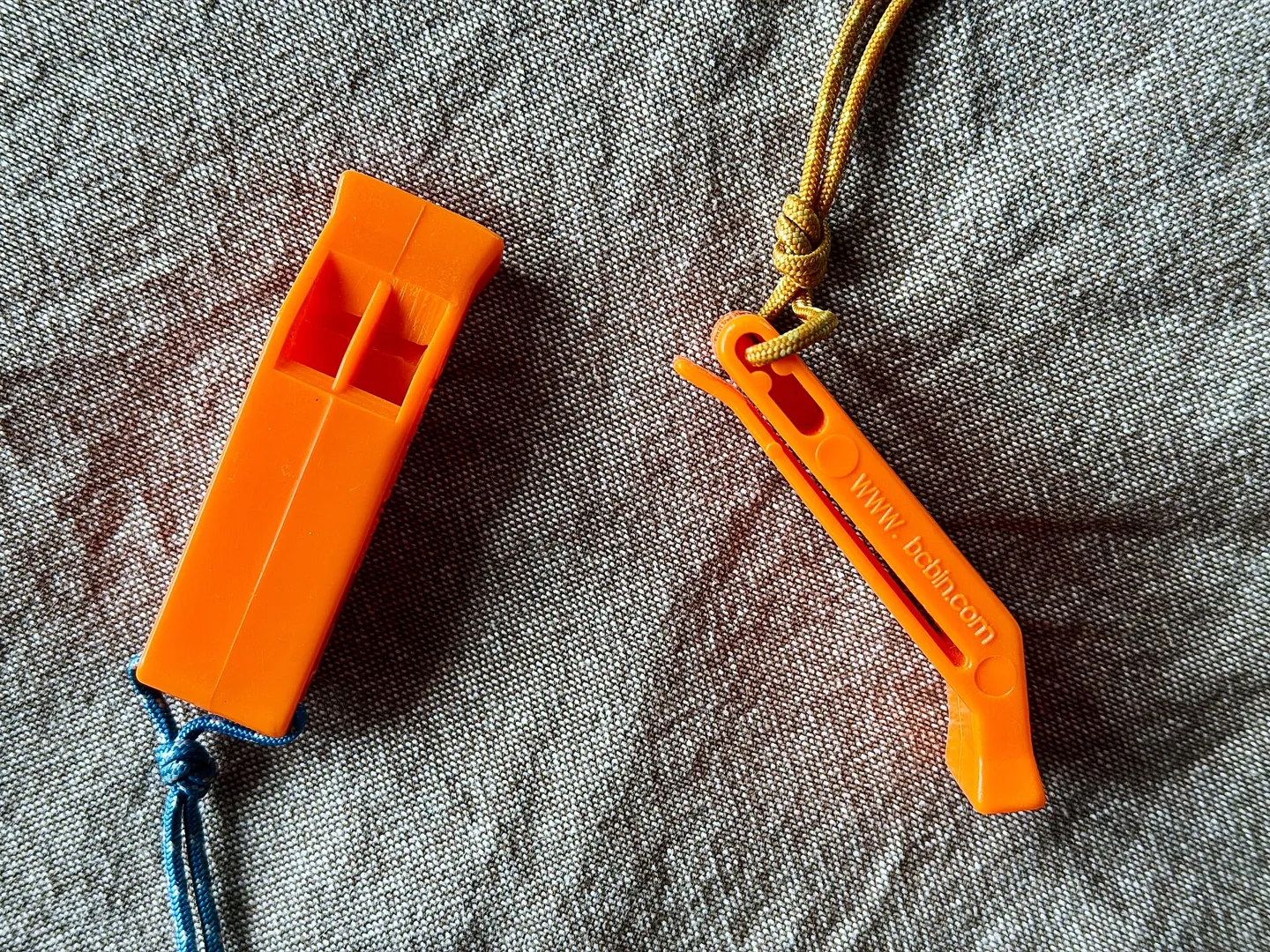
Know who to call, describe your location and use a whistle or torch when you need help on a UK walk, without relying on signal guarantees.
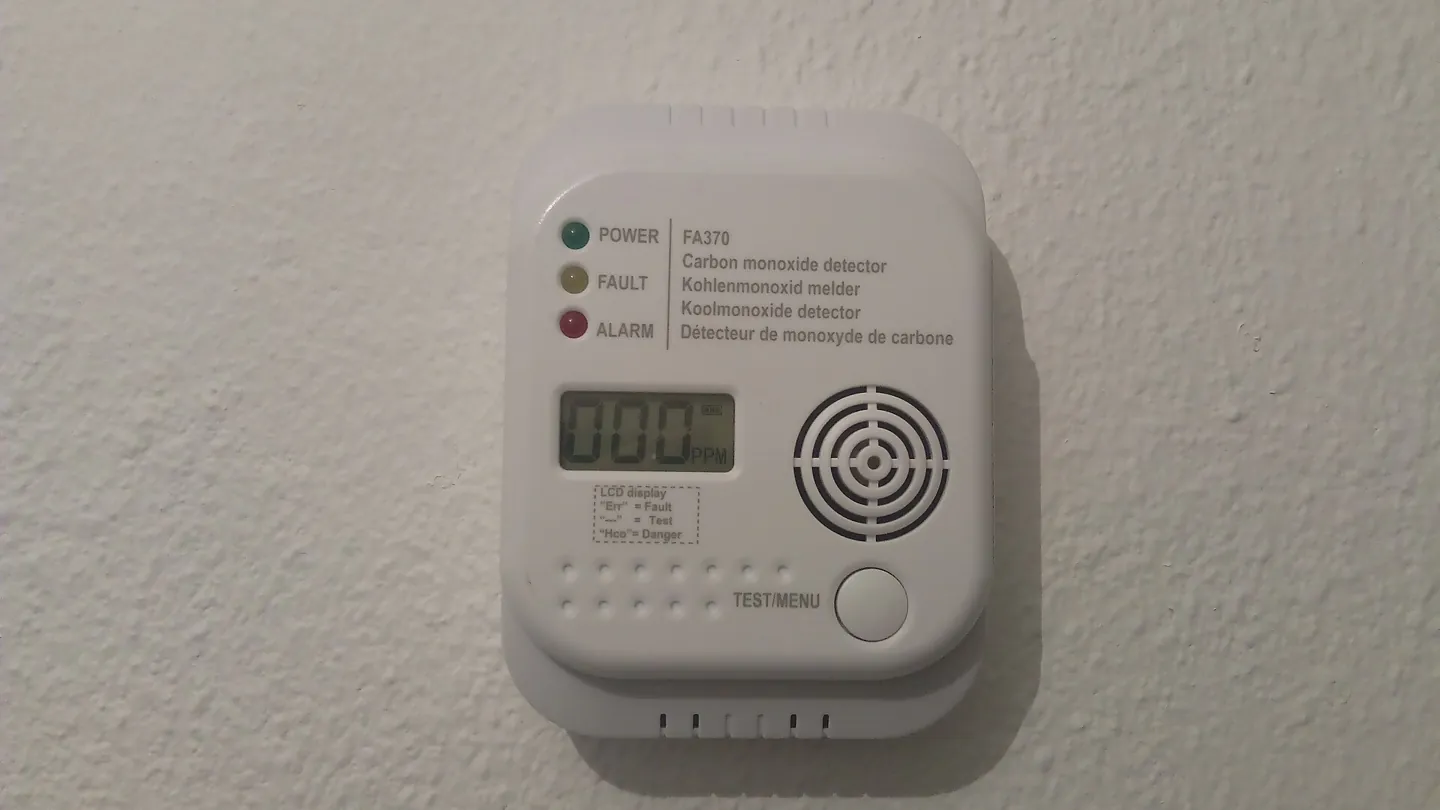
Choose suitable smoke, heat and CO alarms, check the rules for your UK nation, record replacement dates and know how to respond.
Find exits, alarms, utility contacts and essential local services during your first week in a new home, with practical checks for houses and flats.