Collecting and carrying emergency water safely
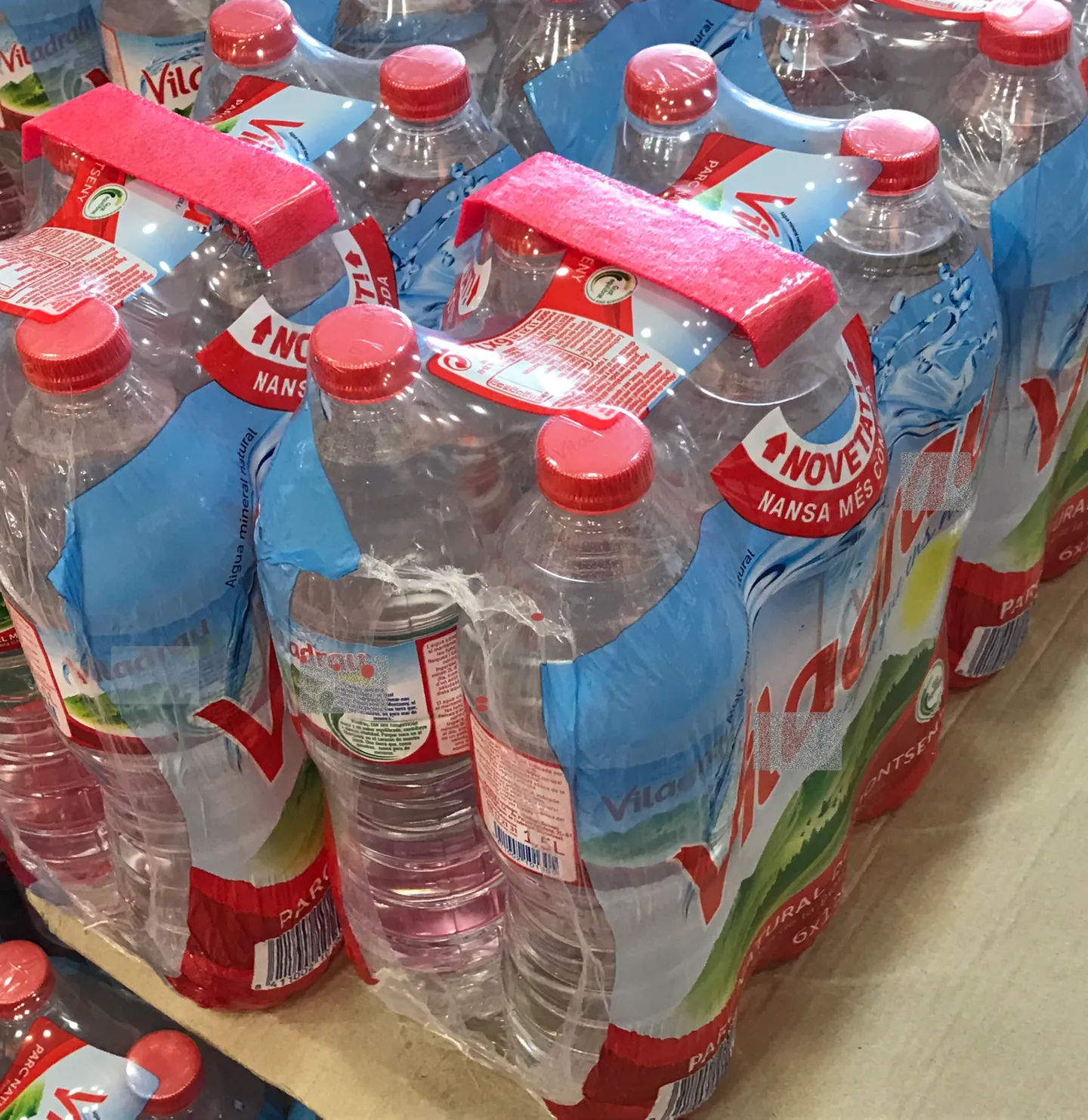
Plan water collection around safe containers, manageable loads, stairs and supplier support, rather than relying on one heavy container.
The guide library
Guides for planning around common disruptions. Read the guide that matches your household.
Showing 1–10 of 10 matching guides · Clear search and filters
Plan water collection around safe containers, manageable loads, stairs and supplier support, rather than relying on one heavy container.
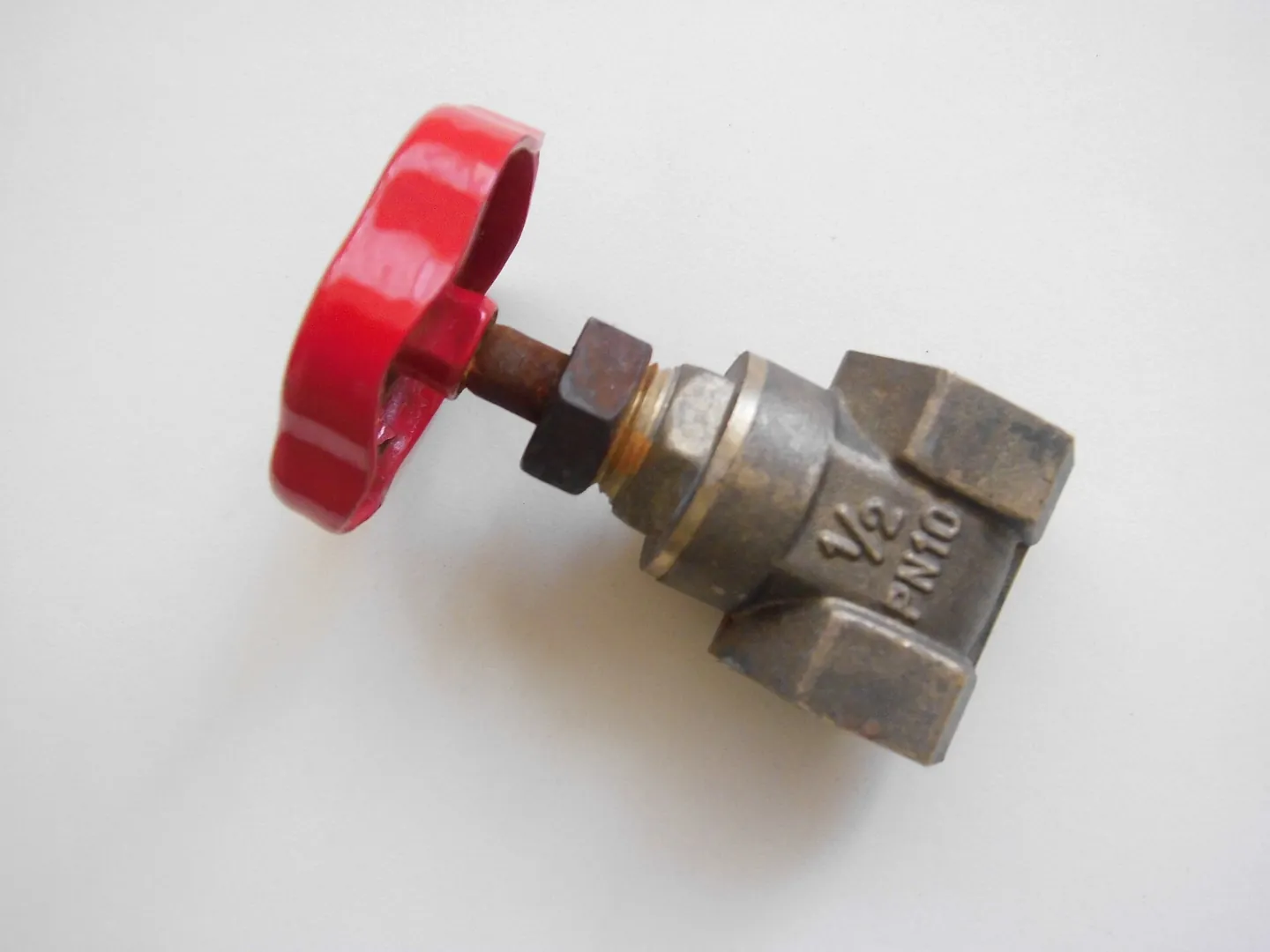
Locate and label your internal stop tap, check access and plan who to call if it is seized, leaking or part of a shared water system.
Prepare for a failed well, spring or borehole supply with UK regulator contacts, maintenance records, alternative water and a safe restart plan.
Plan handwashing and toilet use during a water outage, distinguish sewer failure and follow local instructions for temporary sanitation.
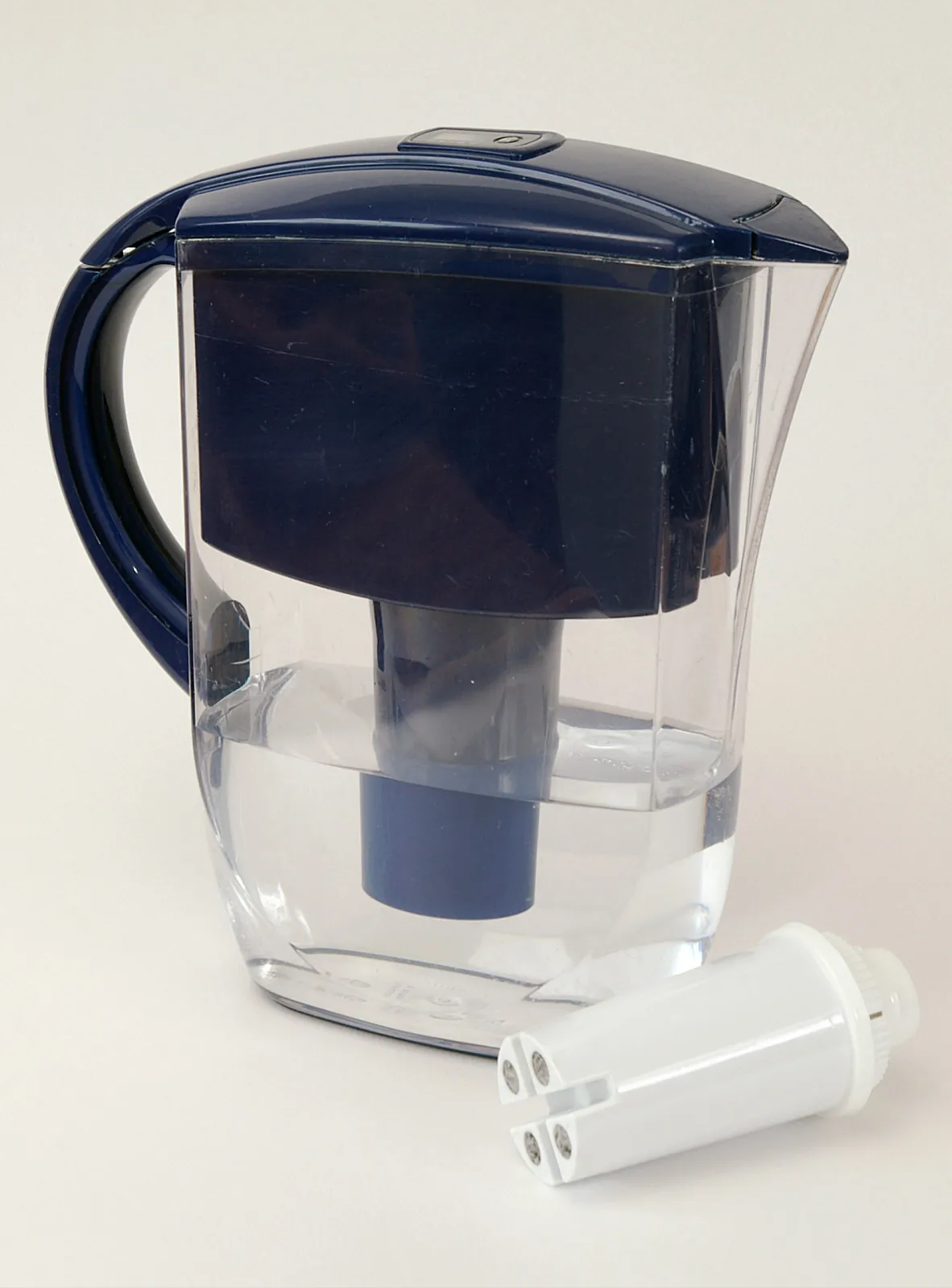
Read water-filter claims, certification and operating limits without assuming a jug or outdoor filter makes every water source safe.
Calculate a three-day drinking-water supply using current UK guidance, then allow for cooking, hygiene, pets and medical needs.
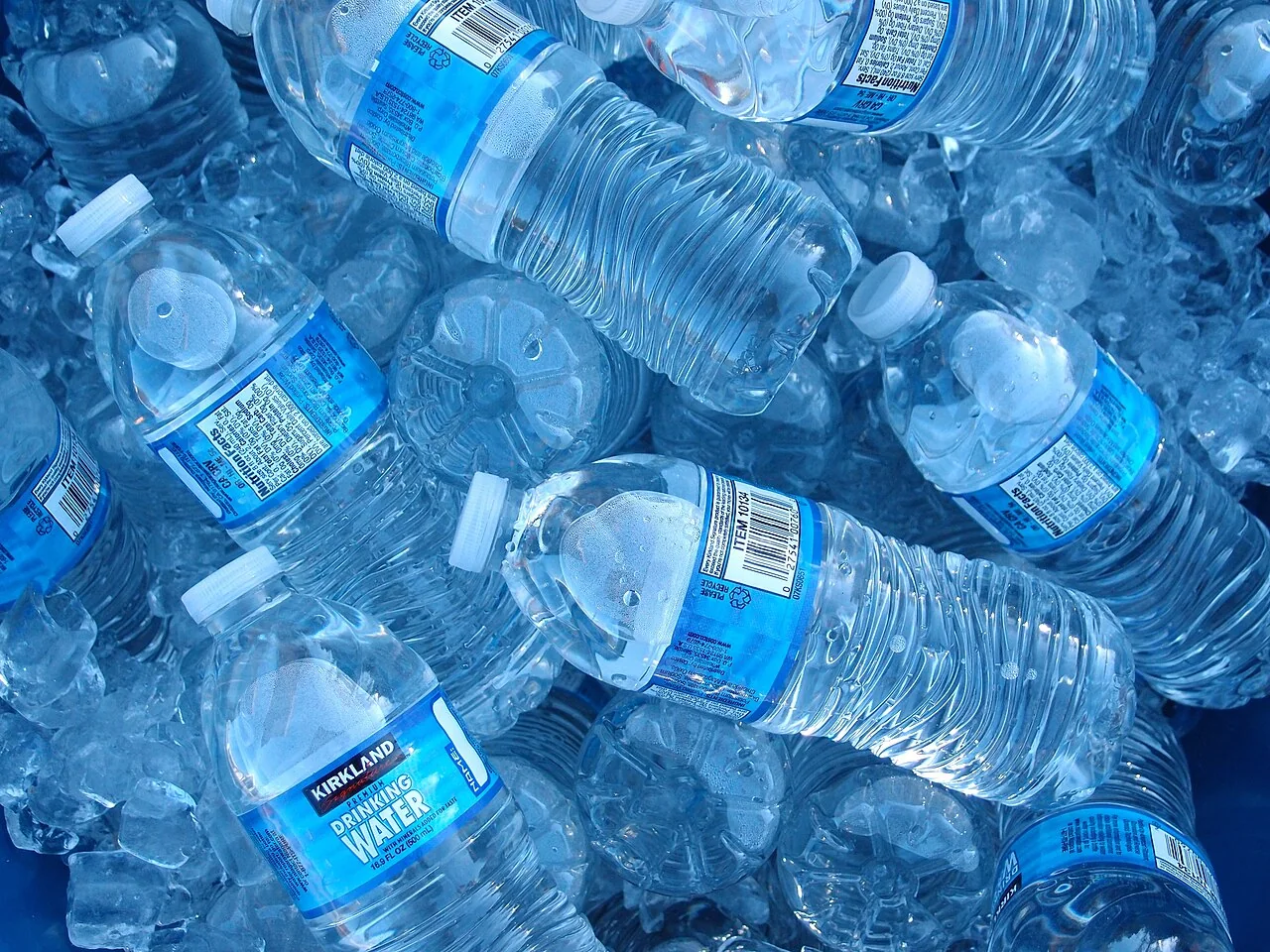
Store drinking water at home: sealed bottles, clean food-safe containers, rotating tap water you've filled and what to do if stored water smells off.
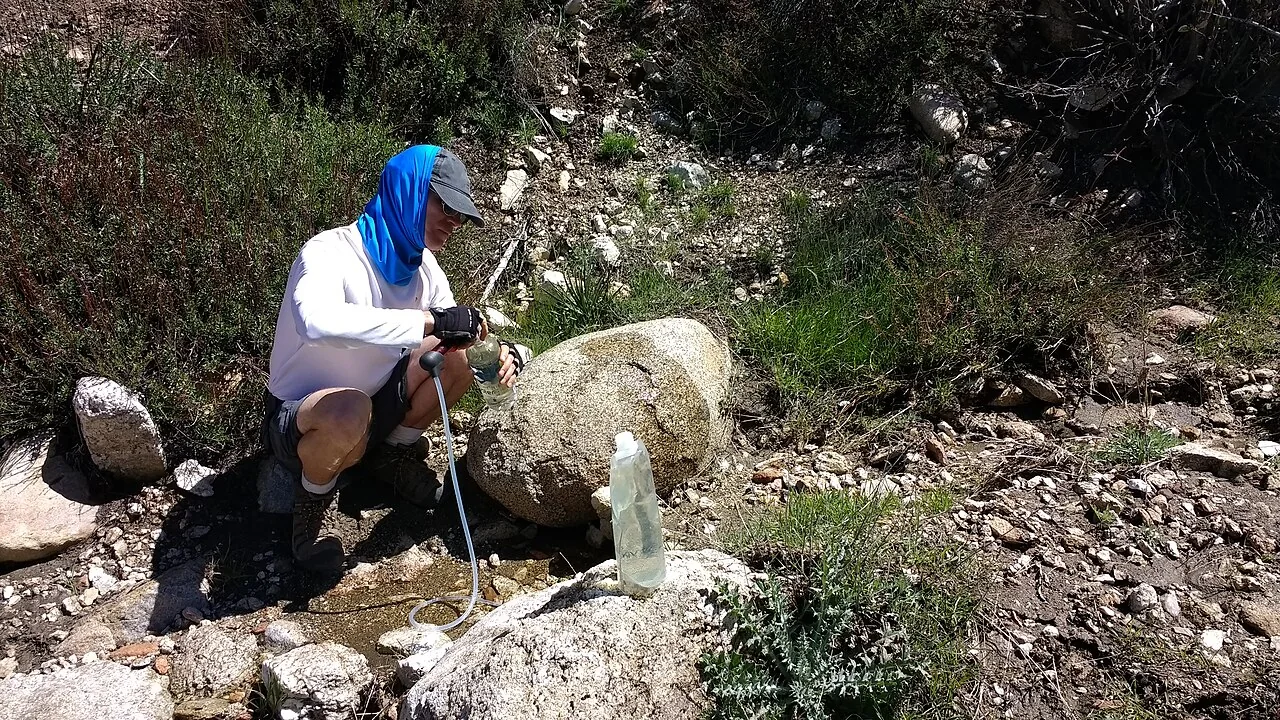
Plan drinking water for a UK walk, check refill points and understand the limits of filters, boiling and treatment tablets.
A practical plan for flat residents facing no water, shared tanks or pumps, carrying bottles upstairs and building-management responsibilities.
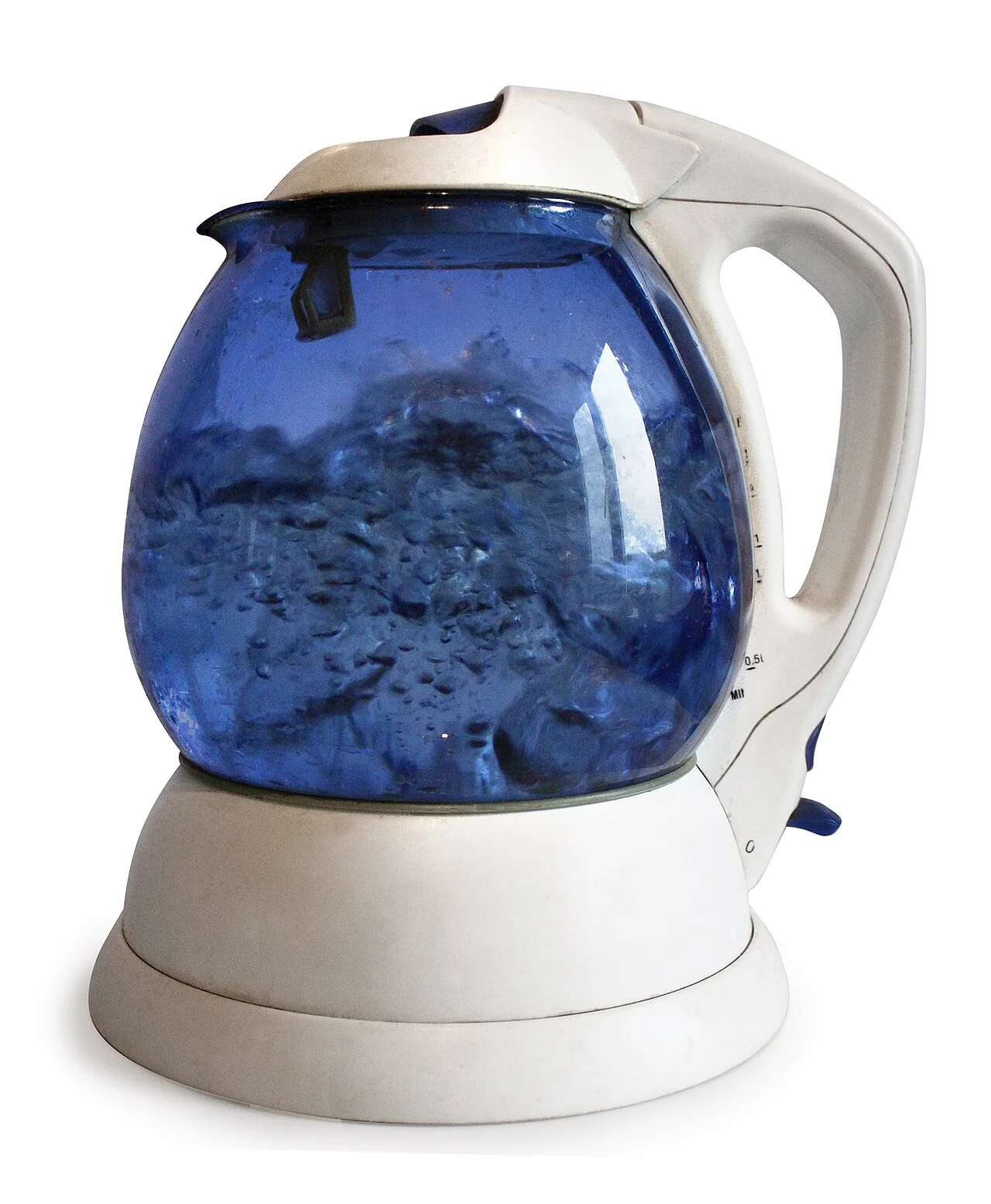
Follow a UK boil water notice safely: affected uses, boiling and storage, feeding needs, appliances and when normal use can resume.