
On this page
- Establish what has stopped working
- Read the exact water-quality notice
- Protect the water needed for drinking and hygiene
- Set up a usable handwashing point
- Use alternative flushing water only when appropriate
- If toilets cannot be used
- Why national-outage advice may sound different
- Make hygiene accessible and private
- Keep a small clean-up routine
- Restart normal use carefully
- Sanitation checklist for a water interruption
- Sources
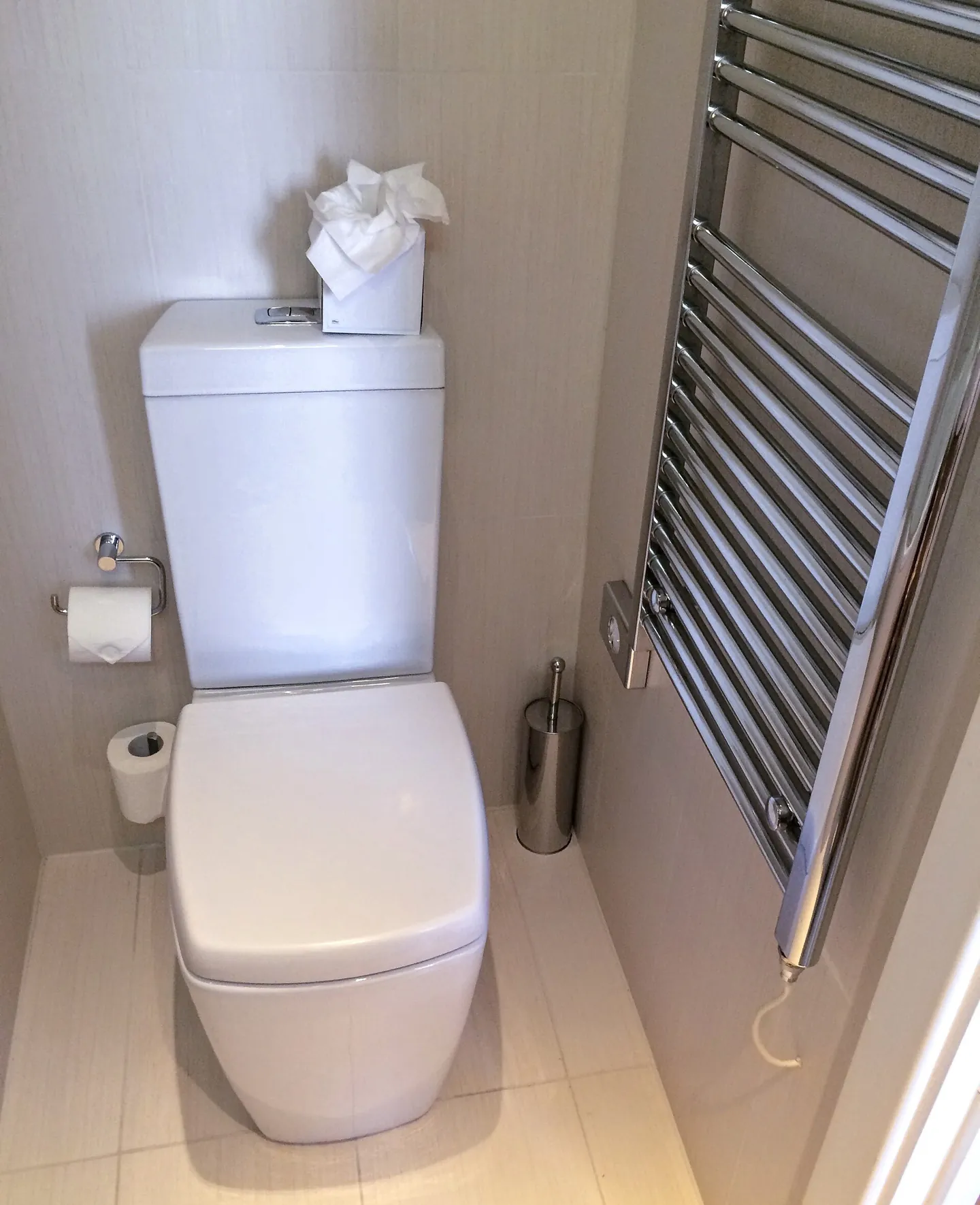
When the taps stop, the toilet may still contain water and the drains may still work. During a different incident, the sewer or a building's wastewater pump may also fail. The household needs to know which situation applies before deciding how to manage flushing and washing.
Start with the current instructions from the water supplier, wastewater provider, property manager or responsible private-system operator. Do not copy a temporary sanitation method from an unrelated emergency without checking whether its assumptions match your home.

Full image attribution
Washing hands with soap (1).jpg — Beat Ruest; CC BY-SA 4.0. Resized and converted to WebP; source: https://commons.wikimedia.org/wiki/File:Washing_hands_with_soap_(1).jpg
Establish what has stopped working
Check the official incident information and report problems that are not already covered. Ask whether wastewater services are affected and whether the supplier has given any restrictions on flushing or using appliances. Keep the answer with the household's water instructions.
For a flat, ask the managing agent or factor about shared pumps and drains. For a private sewage arrangement, contact the responsible operator. A neighbour's toilet working normally does not prove that your building or system has the same arrangement.
If sewage is backing up, a toilet bowl is rising or an overflow is entering the home, stop adding water and report it. Keep children and pets away from contaminated areas. Do not repeatedly flush to see whether the obstruction has cleared.
| Situation | Household approach |
|---|---|
| Incoming water stopped; drainage confirmed usable | Follow supplier instructions on conserving water and any permitted alternative flushing arrangement. |
| Wastewater service failed or flushing prohibited | Stop flushing and seek the authorised temporary toilet and disposal arrangements. |
| Water-quality notice with taps still flowing | Follow the specific notice for washing, bathing and toilet use. |
| Unclear building or private-system status | Contact the responsible operator before improvising. |
Read the exact water-quality notice
A boil-water notice usually concerns microbes and tells you which uses require boiled water. A do-not-drink notice requires an alternative for drinking and food preparation; do not assume boiling removes the hazard. A do-not-use notice bars use of the affected supply, including washing and flushing, unless the issuer explicitly permits a use. Check the actual notice before filling a washing bowl or toilet container.
The DWI's explanation of restriction notices, pages 22–23, distinguishes these responses. It describes why other uses can be permitted under a do-not-drink restriction but prohibited under do-not-use advice. The current instructions for your address decide what is allowed.
Protect the water needed for drinking and hygiene
Count the suitable water already in the home. Separate drinking and food-preparation supplies from any non-drinking water intended for a permitted flushing use. Clearly label different containers and explain the distinction to everyone.
The government's water-outage guidance prioritises alternative water for drinking, handwashing and food preparation. Do not spend the drinking reserve on routine cleaning while assuming hand sanitiser will cover every hygiene need.
Use the water quantity guide when planning the reserve. During an incident, keep a simple note of what remains and contact the supplier early if safe water is becoming difficult to obtain.
Delay tasks such as washing the car or nonessential laundry. Make food choices that reduce washing-up without lowering food-safety standards. The no-cook meal guide can help reduce equipment use when cooking water and cleaning facilities are limited.
Set up a usable handwashing point
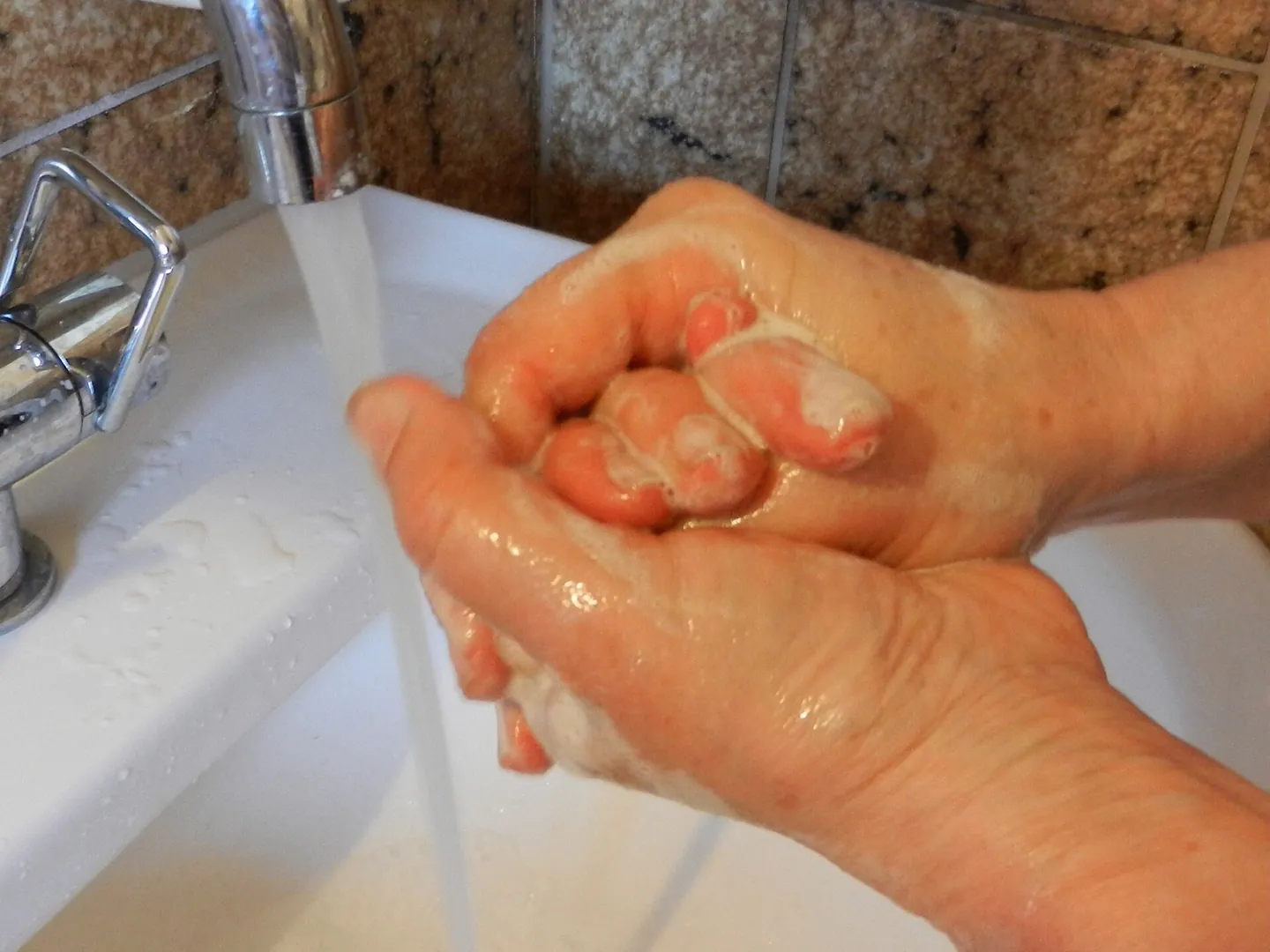
Put suitable water, soap and a means of drying hands close to the toilet area, on a stable surface that household members can reach. A purpose-made dispensing container can make controlled pouring easier. Arrange a suitable way to catch used water where needed and dispose of it in line with the incident instructions.
Keep the clean supply protected. Do not dip used hands or dirty utensils into the drinking-water container. If one person needs help pouring, agree how assistance will work before they are left alone.
The NHS handwashing guidance describes washing with soap, rinsing and drying, for around twenty seconds. It identifies toilet use, nappy changing and food handling as important occasions. Conserve water through controlled dispensing, not by abandoning those occasions.
Where soap and water are temporarily unavailable, hand sanitiser can be a fallback for some circumstances, but it is not a complete replacement. The NHS norovirus advice specifically says alcohol gels do not kill norovirus and recommends soap and water.

Full image attribution
Purple plastic bucket.jpg — Fola01; CC0. Resized and converted to WebP; source: https://commons.wikimedia.org/wiki/File:Purple_plastic_bucket.jpg
Use alternative flushing water only when appropriate
If the provider confirms that drainage is operating and permits alternative flushing, follow its directions and the toilet manufacturer's relevant instructions. The government's general outage page notes that water-butt water may be used for toilet flushing, but it is not drinking water. That does not override a local no-flushing instruction.
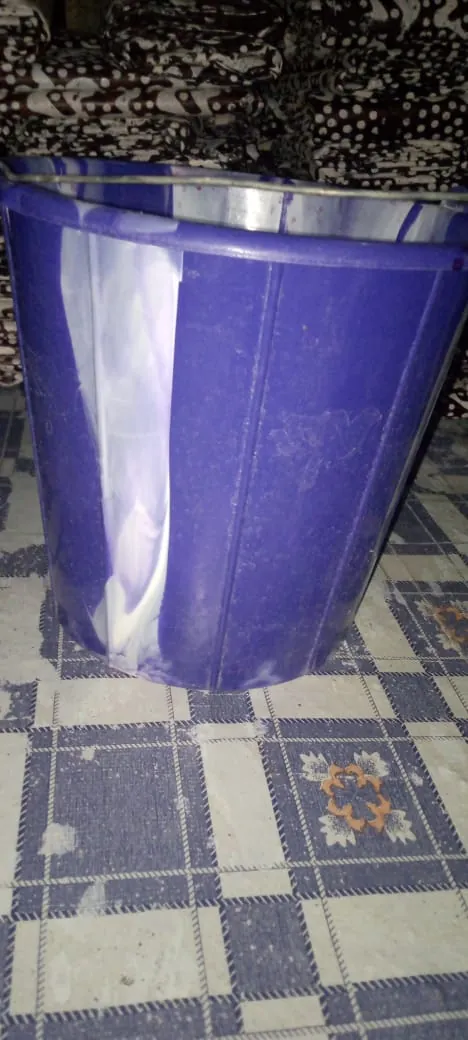
Keep non-drinking water in clearly marked containers apart from food and drinking supplies. Avoid open containers where children could reach them, and choose amounts the person can lift without spilling. Do not place a heavy bucket on a fragile cistern lid or an unstable shelf.
This guide does not prescribe a universal bucket volume or pouring technique. Toilet designs, accessibility and local restrictions differ. Ask the provider or a competent plumber if the permitted arrangement is unclear.
Do not feed non-drinking water into household drinking-water pipework. Do not connect a hose to a cistern or dismantle a concealed toilet mechanism to improvise a system. If safe use is awkward, an alternative accessible facility may be the better arrangement.
If toilets cannot be used
Contact the supplier, council or property manager for temporary facilities and disposal guidance. Explain the number of people affected and any mobility, continence, pregnancy, age or care needs. Ask where the nearest usable accessible toilet is and how long the arrangement is expected to last.
Plan the journey before depending on a public toilet, rest centre or friend's home. Check opening hours, access and transport. Someone who needs frequent assistance cannot necessarily manage repeated trips outside, especially at night.
A purpose-made portable toilet can be useful only when its user can transfer safely, it can be cleaned and its contents have an authorised disposal route. Follow its instructions. Do not discharge waste into a surface-water drain, garden, stream or roadside gully.
If responders issue temporary waste-collection instructions, follow their exact method. Ordinary household refuse arrangements, chemical-toilet disposal and incident-specific waste collection are not interchangeable. Ask before placing unfamiliar waste into a bin merely because an online example did so.
Why national-outage advice may sound different
The UK Chief Medical Officers' published broadcast scripts address an exceptional total power outage across Great Britain, including failure of sewage services. Their instruction not to flush belongs to that scenario. It is not proof that sewers stop during every local power cut.
Those scripts also contain exceptional arrangements intended for severe shortages. Do not replace ordinary household hygiene practice with them in advance. During an actual incident, follow the current instructions from the responsible public-health and utility authorities.
This distinction matters when neighbours share screenshots without context. Check the page title, incident scope and date before changing the household plan. A general preparedness document is not the same as an active notice for your address.

Full image attribution
Butyl rubber gloves.JPG — MatChem121; CC BY 3.0. Resized and converted to WebP; source: https://commons.wikimedia.org/wiki/File:Butyl_rubber_gloves.JPG
Make hygiene accessible and private
Think about the person using the arrangement. Can they stand, reach a tap, operate a cap and dry their hands? Is there safe light at night? Can a carer assist without carrying water across a cluttered room? Put the supplies where the task occurs.
Keep continence products, menstrual products, nappies and disposal bags available according to normal needs. Store clean items away from used waste. Do not flush wipes, gloves, nappies or sanitary products as an attempt to reduce the rubbish.
Where somebody uses medical equipment or has a care procedure requiring a particular water standard, contact the clinical team. Ordinary drinking water, bottled water and sterile products are not automatically interchangeable. Follow the person's established care plan.
If someone has vomiting or diarrhoea, tell the relevant health adviser and seek help if safe hydration or hygiene cannot be maintained. Do not let water collection difficulties delay needed medical advice. Keep the ill person's cleaning arrangements consistent with NHS and clinical guidance.
Keep a small clean-up routine
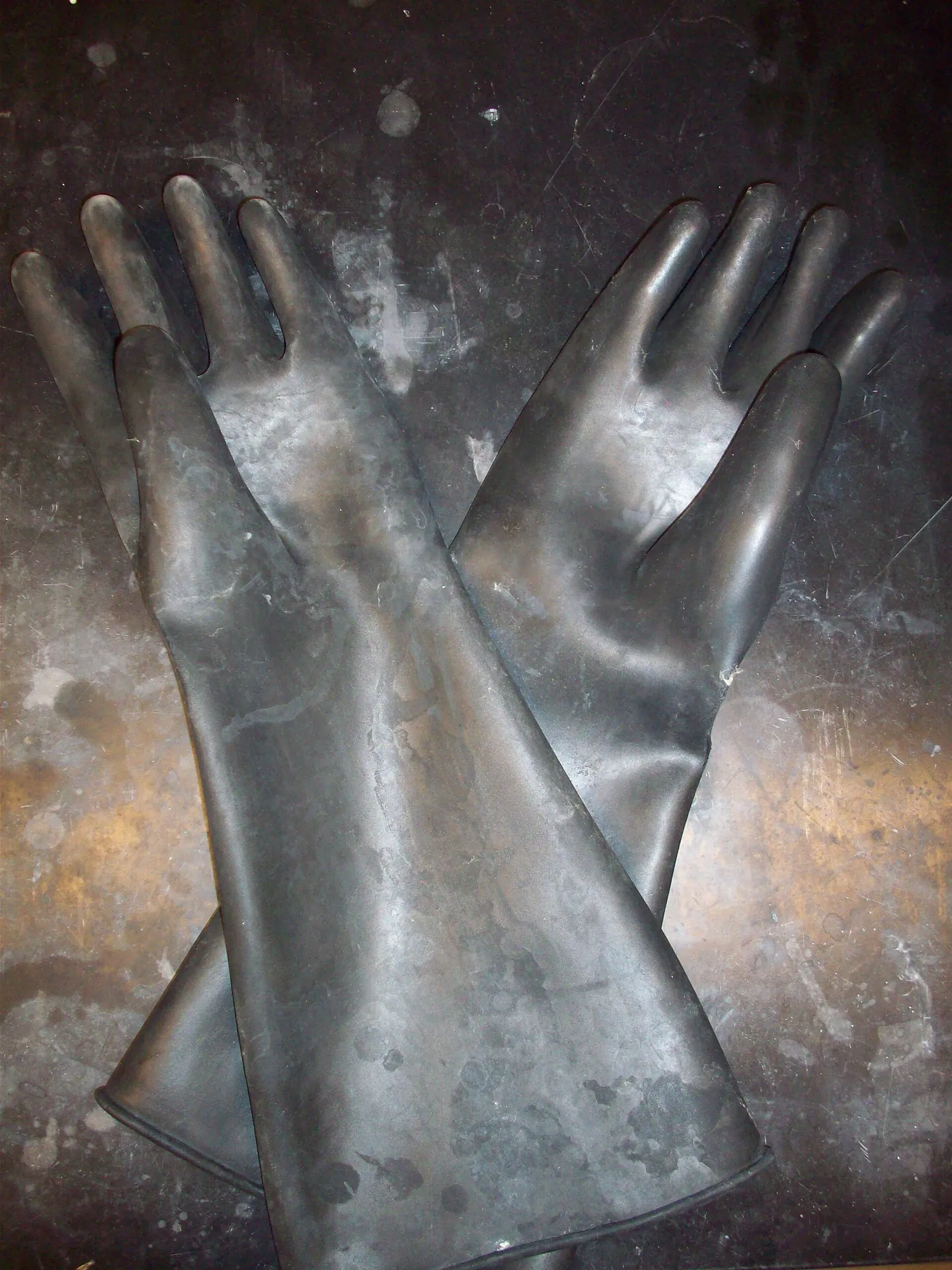
Keep cleaning products in their original labelled containers and use them as directed. Do not mix bleach with other cleaners or add household disinfectant to drinking-water containers. Gloves used for cleaning do not remove the need to wash hands afterwards.
Separate clean supplies from waste-handling equipment. A bucket used for toilet tasks should not later be used to carry drinking water. Keep an obvious label on it even if everyone at home currently knows its purpose.
Arrange waste storage so bags cannot leak onto floors, block exits or be reached by pets. Follow local advice on collection and disposal. If the household cannot maintain a safe arrangement, ask the council or supplier about practical assistance or temporary alternative accommodation.
Restart normal use carefully
Wait for confirmation that any restriction has ended. Restored water pressure does not prove that the sewer issue or a water-quality notice has been resolved. Follow the provider's instructions about appliances, flushing and cleaning.
Clean and store temporary equipment according to its instructions. Replace soap, wipes and other supplies used during the incident. The water-storage guide helps rebuild the drinking reserve.
Review collection and access problems using collecting emergency water. If the home has a private source, add the sanitation lessons to the private-supply disruption plan rather than assuming public utility support covers every system.
Sanitation checklist for a water interruption
- Confirm whether incoming water, wastewater or both are affected.
- Read and share the current flushing and water-use instructions.
- Keep suitable water for drinking, food preparation and handwashing.
- Set up accessible soap, controlled water dispensing and hand drying.
- Label non-drinking water and toilet equipment clearly.
- Arrange authorised temporary facilities if normal toilets cannot be used.
- Protect privacy, care needs and safe waste handling.
- Wait for the relevant all-clear before returning to normal use.
Sources
Primary sources checked on 2 November 2026. Incident instructions and individual care plans take precedence where relevant.