Start with a gap in your plan
The useful purchase is often small: a charging lead that fits your phone, spare batteries for a familiar torch, or a radio you can tune without a screen full of instructions. Before comparing equipment, check what works already and write down the job that remains. A power station cannot compensate for missing drinking water, and a box of accessories cannot tell you where your medicines are.
This directory connects five equipment categories to our existing, source-checked guides. The category pages help you decide which kind of equipment to investigate. The detailed comparisons remain in the guides, with manufacturer sources, model distinctions and limitations beside the claims. We do not claim hands-on testing or award scores from specifications.
| What you need | Where to start | Check before buying |
|---|---|---|
| Keep compatible devices running | Portable power stations | Device demand, stored energy and how you will recharge |
| Hear broadcast updates | Emergency radios | Local reception, usable controls and a maintained power source |
| Prepare for a water interruption | Water filters and storage | Water source, supplier instructions and actual litres available |
| Move and work safely in the dark | Emergency lighting | Beam shape, useful low modes and spare power |
| Bring household supplies together | Emergency kits | Exact contents, personal needs and what you already own |
Read the comparison behind a product
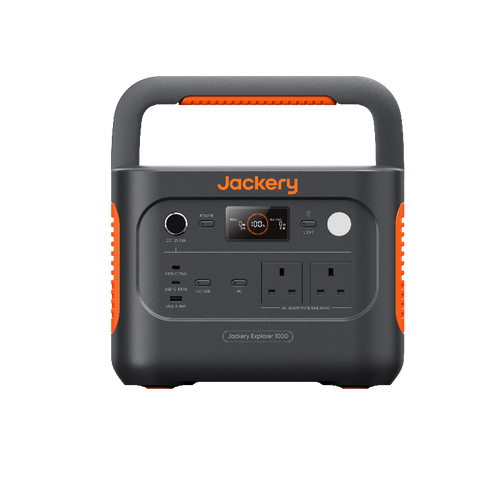
For larger batteries, the portable power station guide compares three named UK models. The Jackery and EcoFlow comparison examines the particular models behind the brand names. If your priority is simply keeping phones charged, read power banks versus stations first.
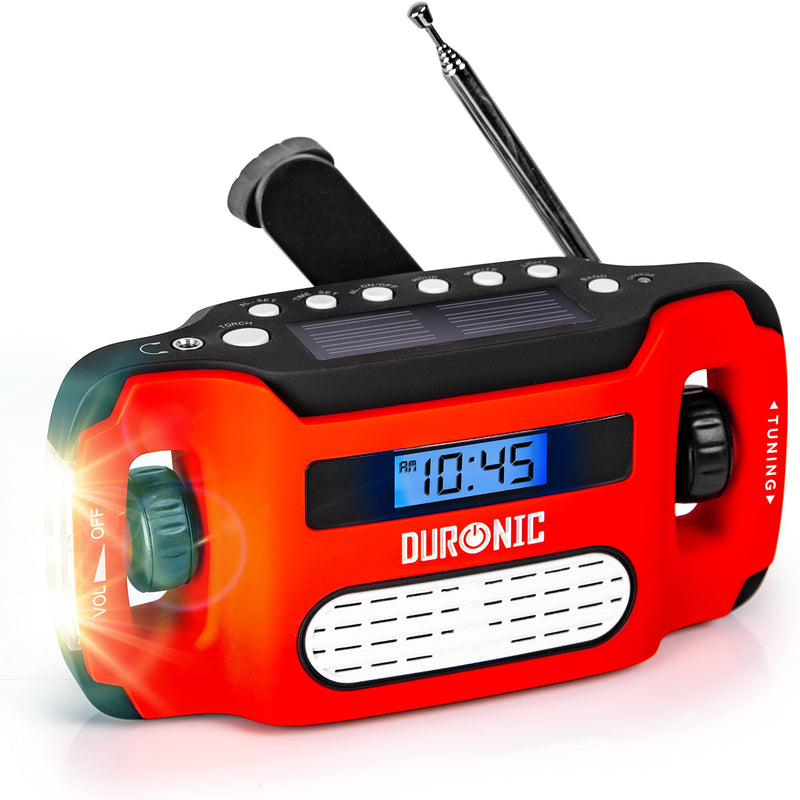
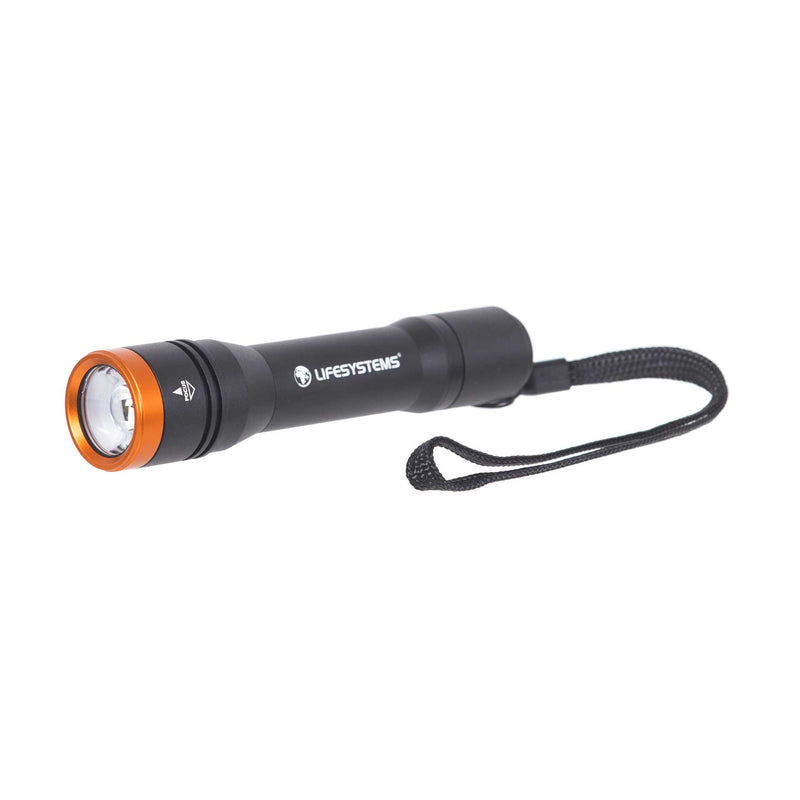
The radio guide separates reception bands from charging methods. Our torch comparison looks at a headlamp and a hand torch for different tasks. The ready-made kit comparison checks what published contents establish and what still needs adding.
Check the delivered kit
Match the model number and UK version, inspect the supplied cables and read the storage instructions. Try ordinary, non-critical tasks while normal services are available. Show someone else how the equipment works and set a reminder to check it again. Keep any manual, receipt and warranty details with your household inventory.
Start that inventory with the household kit builder. Our equipment policy explains how published information is selected and checked. Manufacturer photographs identify the featured models; they do not imply that we have handled or tested them.