Match the light to the task
A headlamp leaves your hands free to read instructions or carry something. A hand torch lets you direct a beam without turning your head. A lantern spreads light across a shared space. Start with where the light will be used and who must operate it. Familiar controls and an accessible storage place matter when the room is already dark.
Maximum brightness does not describe the whole experience. Look for a useful lower setting, the beam shape and runtime at that actual setting. The longest advertised runtime may use the dimmest mode. Do not combine the brightest output and the longest duration into a performance claim the manufacturer never made.
| Model | Published information | What it helps you assess |
|---|---|---|
| Petzl TIKKINA, E060AB | Headlamp; 300 lumens maximum; three AAA/LR03 cells or optional specified CORE pack | Hands-free light and a choice of permitted power sources |
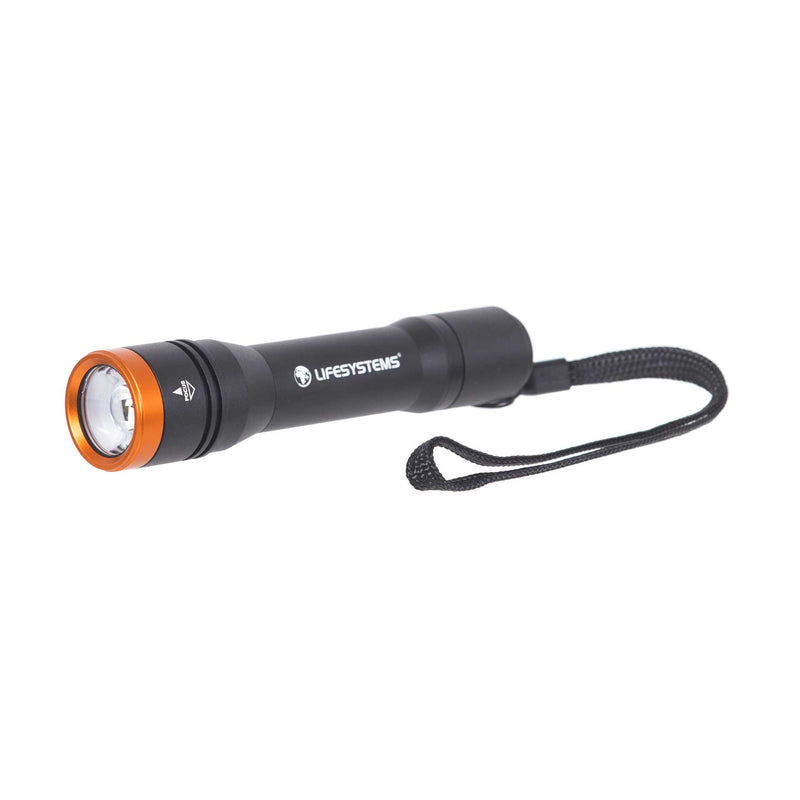
| Lifesystems Intensity 545, 42061 | Hand torch; 545 lumens maximum; internal rechargeable battery with micro-USB charging | A directed adjustable beam, with its cable and charging reserve kept ready |
The full UK torch guide links to manufacturer performance information, checked on 30 October 2026. These figures are published specifications, not our measured brightness or runtime. Check the model code because revisions can change batteries, output and charging connections.
Choose a power arrangement you can maintain
Replaceable cells are useful when you already keep the right type and can fit them easily. Follow the manual's battery instructions and inspect stored cells. An internal rechargeable battery reduces routine battery swapping but needs its correct lead and a charging plan. A USB-C phone cable will not fit the micro-USB input on the Lifesystems example.
Keep each light with its permitted spare power or cable. Consider whether someone with limited grip or vision can find the switch and use it. Try the low modes, beam adjustment and head strap during an ordinary evening. Do not aim a bright beam into another person's eyes while showing the controls.
Place lights where they are needed
Keep a reachable light beside sleeping areas and one where the household normally gathers. Store them where a child can find appropriate help without climbing or reaching across a hazard. A torch left at the bottom of a packed cupboard may be difficult to retrieve in an outage.
Battery lighting avoids introducing an open flame into the power-cut routine. Read the power-cut household plan for the wider arrangements, and check the emergency kit guide for keeping lights alongside the rest of your supplies. If the household needs only phone and light charging, compare a suitable power bank before buying a larger station.