

On this page
- Find the person responsible before a fault occurs
- Use the correct authority for your part of the UK
- Make a short system record
- Plan for more than an empty source
- Arrange a practical alternative supply
- Agree how every user will receive a warning
- Understand what testing can and cannot tell you
- Require a clear return-to-use decision
- Review access before difficult weather
- Private-supply preparation checklist
- Sources
A spring-fed cottage, a borehole serving several homes and a holiday property with a well can have very different systems. What they share is the need for someone to understand how the supply stays safe and what to do when it fails. A water company outage map may tell you little about your private system.
Prepare a household response around the actual installation. This guide does not specify treatment equipment, disinfection doses or repair methods. Those decisions depend on the source, water quality, system design and competent professional advice.
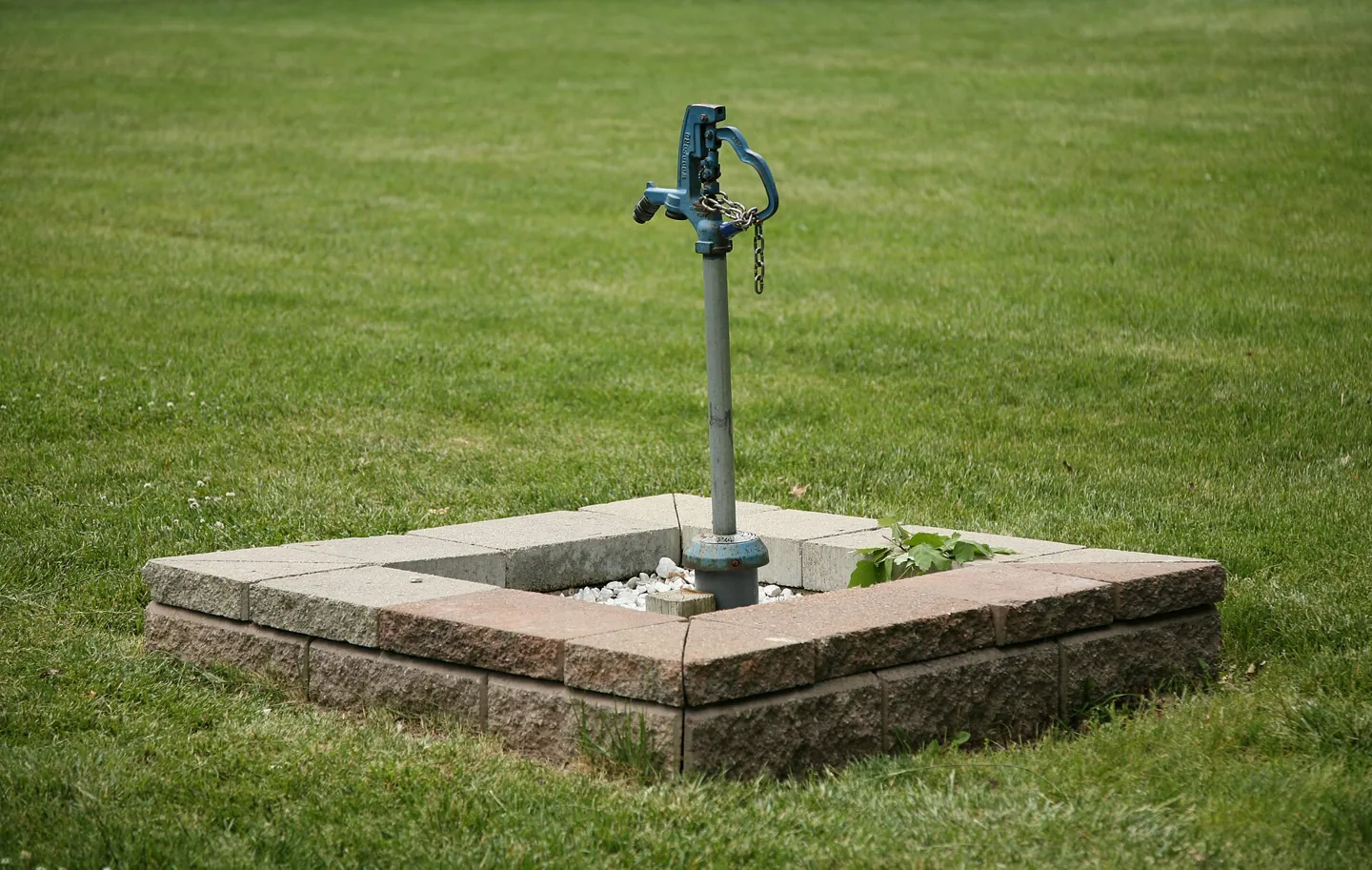

Full image attribution
Water pump 1-2.jpg — Taken by Daniel Schwen Reworked (cropped etc.) by Ralf Roletschek ( talk ); CC BY-SA 3.0. Resized and converted to WebP; source: https://commons.wikimedia.org/wiki/File:Water_pump_1-2.jpg
Find the person responsible before a fault occurs
Write down who owns the source, who maintains the pump and treatment, and who can authorise repair. They may be different people. A neighbouring landowner may control access while a specialist contractor services equipment and a residents' group pays the bills.
Record a main contact and an alternative. Ask what happens if the regular operator is on holiday or cannot be reached. A system understood by one person alone leaves the other households guessing when an alarm sounds.
In rented or holiday accommodation, ask the landlord or operator for the relevant instructions. Guests should know which water is supplied, whom to call and how any restriction will be communicated. Do not expect visitors to recognise a treatment fault by taste.
Keep financial and maintenance responsibilities clear through the appropriate agreements. This guide cannot determine liability between neighbours or interpret a property deed. If responsibilities are disputed, get suitable professional advice before a failure forces an urgent decision.
Use the correct authority for your part of the UK
| Location | Initial route | Important distinction |
|---|---|---|
| England and Wales | Local authority team responsible for private water supplies. | The DWI provides technical oversight and advice; the local authority is the household's first testing and risk contact. |
| Scotland | Local authority environmental health or private-supply team. | DWQR provides regulatory information; owners and users retain responsibility for managing supply safety. |
| Northern Ireland | DAERA Drinking Water Inspectorate or council environmental health, as appropriate. | Single private dwellings have a different monitoring route from supplies covered by the registration scheme. |
The Drinking Water Inspectorate identifies local authorities as the first contact for testing and identified risks in England and Wales. In Scotland, DWQR's owner and user guidance also directs management queries to the local authority.
DAERA explains Northern Ireland's arrangements, including that a single private dwelling is not required to be monitored by DWI and can approach council environmental health about testing. Do not infer that exemption from that monitoring programme means the water cannot become unsafe.
Ask the relevant authority what registration, sampling and risk assessment apply to your specific supply. Requirements can depend on the use and people served. A household that starts letting accommodation should review the position rather than relying on its earlier domestic arrangement.
Make a short system record
Ask the operator or contractor for a simple diagram showing source, storage, pump, treatment and the route into the home. It need not be an engineering drawing. Its purpose is to make clear what depends on electricity, where maintenance occurs and whom to contact.
Record equipment names and model details from existing paperwork or safe visible labels. Keep manuals, service records, relevant sample reports and notices together. Do not enter a chamber, open electrical equipment or climb onto a tank to obtain a serial number.
Ask what normal operation looks like and which indicators require action. An alarm can be more useful than a vague impression that the water tastes different. Record the actual instruction, such as contacting the contractor and using alternative drinking water, rather than inventing a general reset procedure.
The DWI treatment manual treats source protection, water quality and treatment selection as connected issues. A household record should therefore include the source and maintenance history, not only the brand of the filter.

Full image attribution
Water testing Bottles.jpg — Narek75; CC BY-SA 4.0. Resized and converted to WebP; source: https://commons.wikimedia.org/wiki/File:Water_testing_Bottles.jpg
Plan for more than an empty source
A private supply can stop because water is unavailable, because equipment fails or because the water cannot safely be used. These require different investigations. Keep the initial household response simple: record the problem, contact the responsible person and use an appropriate safe alternative while advice is obtained.
Highland Council lists drought, freezing weather, leaks, pump faults and blocked filters among reasons for a supply running dry. Heavy rain after a dry period can also alter source conditions. A return of flow does not settle the question of treatment performance or contamination.
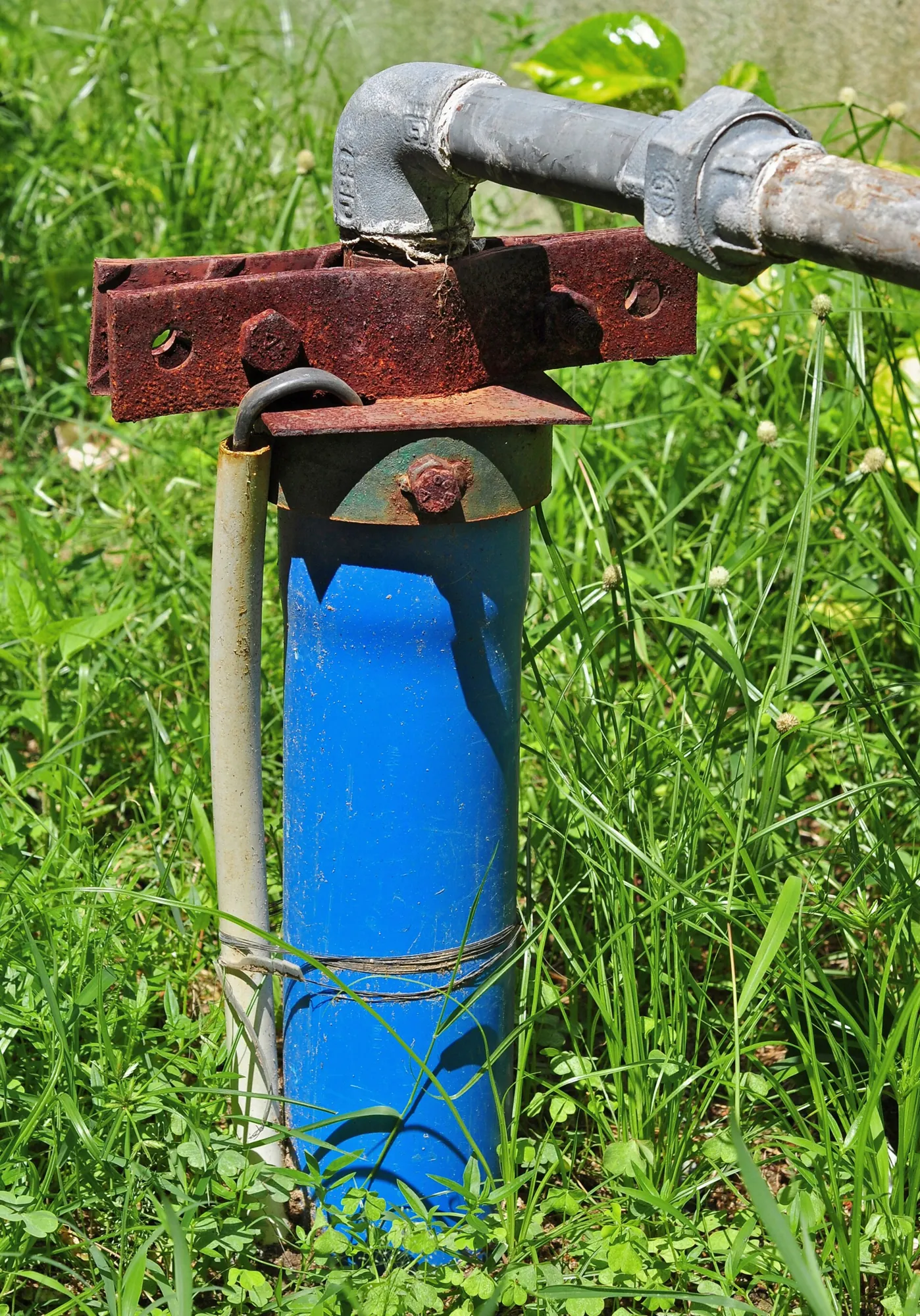
Ask the contractor how power loss affects your particular system. Water may stop completely, or pressure may remain while an electrically powered treatment stage is unavailable. Do not assume flowing water has passed through functioning treatment.
Do not bypass a treatment unit or repeatedly reset an alarm to restore convenience. Record the fault code if visible from a safe position and follow the service instructions. The filter-claims guide explains why a spare domestic jug is not a universal substitute.
Arrange a practical alternative supply
Keep drinking water according to the home storage guide and calculate the household's needs with the water quantity guide. Include the people who might be staying when a failure occurs, not only the permanent occupants.
Identify where suitable replacement water could come from and how it would reach the home. A rural track, winter weather or a steep approach can make a tanker or delivery impractical. Ask about access requirements before depending on that option.
Any temporary connection, tank filling or change to the system should be arranged through competent people with appropriate water-quality controls. Do not connect an unknown hose to drinking-water pipework or pour collected surface water into a tank to keep the taps running.
Emergency help is not identical everywhere. Highland Council describes assistance linked to declared scarcity arrangements and other conditions. Ask your own authority what help currently exists; do not assume a public water company's delivery scheme automatically covers a private supply.
Agree how every user will receive a warning
List all homes and other users served by the supply. Agree who sends messages, who checks receipt and how to reach someone without mobile reception. A short written notice at an appropriate shared point can supplement calls, provided it does not expose private information.
Use clear wording from the authority or operator. A boil-water instruction, a do-not-drink restriction and a do-not-use restriction are different. Include the issue time, affected uses, alternative arrangements and where updates will appear.
Our boil-water notice guide explains household precautions. Do not substitute boiling for a different restriction. Chemical contamination and some system faults need a different response determined by the responsible authority.
Think about guests arriving after the first warning. Put the current instructions in their arrival information and explain them directly. Remove old instructions only when an authorised update replaces them, so different households do not act on conflicting messages.

Full image attribution
Submersible pump 30-07-2012.JPG — Joydeep; CC BY-SA 3.0. Resized and converted to WebP; source: https://commons.wikimedia.org/wiki/File:Submersible_pump_30-07-2012.JPG
Understand what testing can and cannot tell you
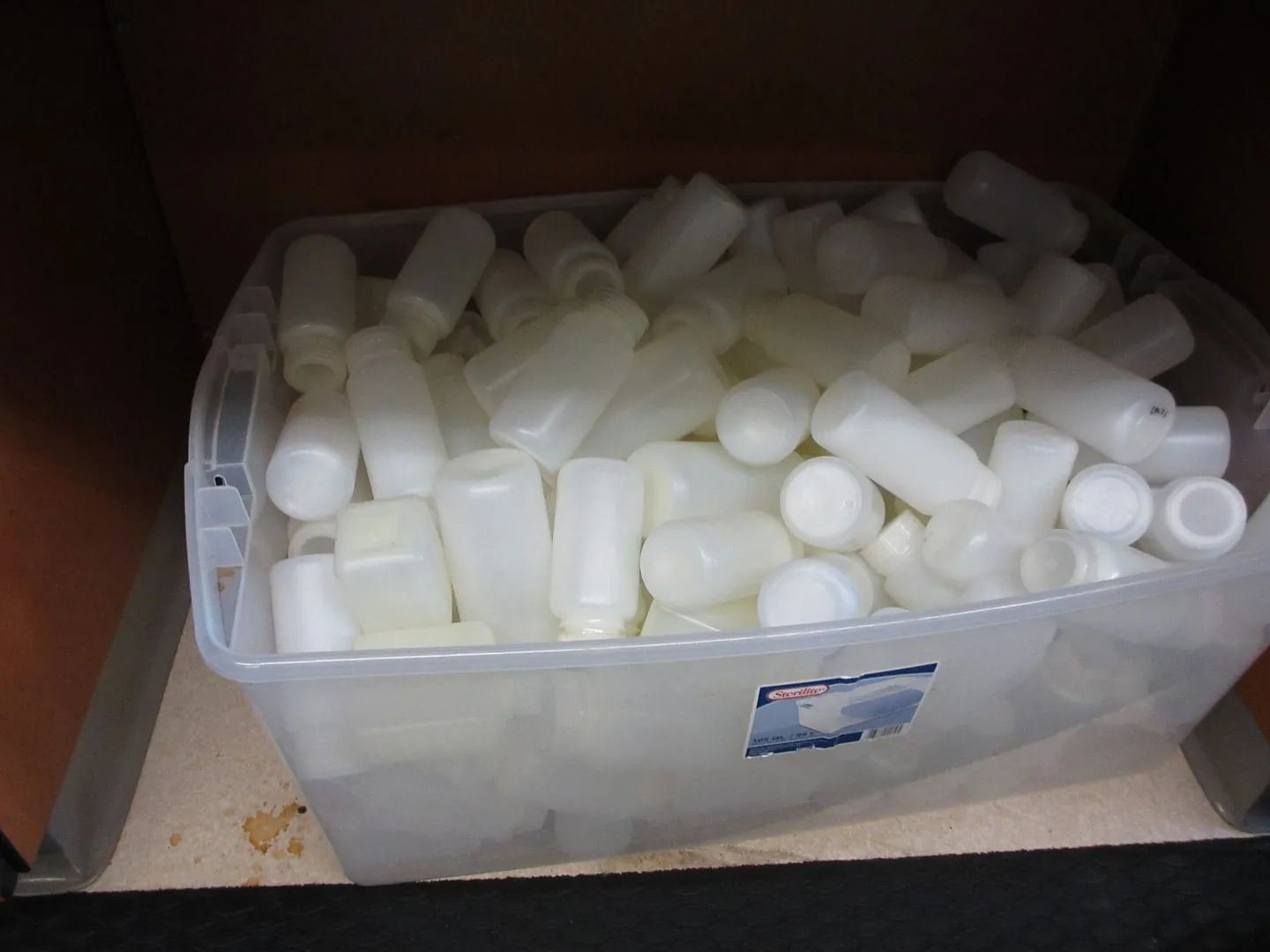
Ask the authority or qualified adviser which tests are appropriate for the source and incident. A simple household strip or a clear-looking glass is not a full assessment of microbiological and chemical safety. Sampling needs the correct method, bottle, location and handling.
Keep reports with their sample dates and locations. A satisfactory result from before a flood, repair or treatment failure does not prove the water is suitable afterwards. Equally, one result should be interpreted in the context of the system and investigation rather than used to design treatment without advice.
If instructed to submit a sample, follow the laboratory or authority's directions exactly. Do not rinse a supplied sample bottle or collect from a different tap simply because it is convenient unless instructed. Record any relevant treatment fault or recent work for the person interpreting the result.
Require a clear return-to-use decision
After repair, ask who authorises normal use and what evidence or checks are required. The answer may involve servicing, flushing, disinfection or sampling carried out under a competent plan. This guide does not set a universal flushing time or chemical dose.
Continue the stated restrictions until the responsible issuer withdraws them. Tell every user when the position changes. A contractor reporting that the pump runs is not automatically the same as an authority confirming that a water-quality restriction has ended.
Restock any alternative supply and record what delayed the response. The collection and carrying guide can help resolve problems with container size, access and delivery handover before the next interruption.
Review access before difficult weather
Before winter or a period when the property will be empty, check how the operator and contractor would reach the equipment. Keep any access arrangement current and tell them about locked gates, changed keys or road restrictions. Do not clear hazardous routes or enter confined spaces yourself to make an inspection possible.
For a shared supply, agree who notices a problem when most residents are away. A visible external alarm, an unanswered message or a report from a guest needs a named response. Keep the arrangement proportionate to the installation and confirm it with the person responsible for maintenance.
Private-supply preparation checklist
- Name the source owner, operator, contractor and backup contact.
- Confirm the correct local authority or regulator route.
- Keep a simple system diagram and current manuals.
- Record how power failure and treatment alarms affect safe use.
- Arrange applicable testing and maintenance with competent advisers.
- Keep suitable alternative water and a workable delivery route.
- Agree how every user and arriving guest receives restrictions.
- Document who can authorise return to normal use after a fault.
Sources
Primary sources checked on 2 November 2026. Incident instructions and individual care plans take precedence where relevant.
- Drinking Water Inspectorate: Private water supplies
- Drinking Water Quality Regulator for Scotland: Owners and users of private water supplies
- Department of Agriculture, Environment and Rural Affairs: Private water supplies
- Highland Council: What to do if your private water supply has run dry
- Drinking Water Inspectorate: Manual on treatment for small water supply systems