
On this page
- Start with the water problem
- Separate the types of claim
- Read certification as a specific statement
- Understand the limits of the treatment method
- Use an evidence check before buying
- Treat maintenance as part of the claim
- A filter does not cancel a water notice
- Keep outdoor and private-supply decisions separate
- Questions that often decide the purchase
- Keep a short comparison note
- Before relying on a filter
- Sources
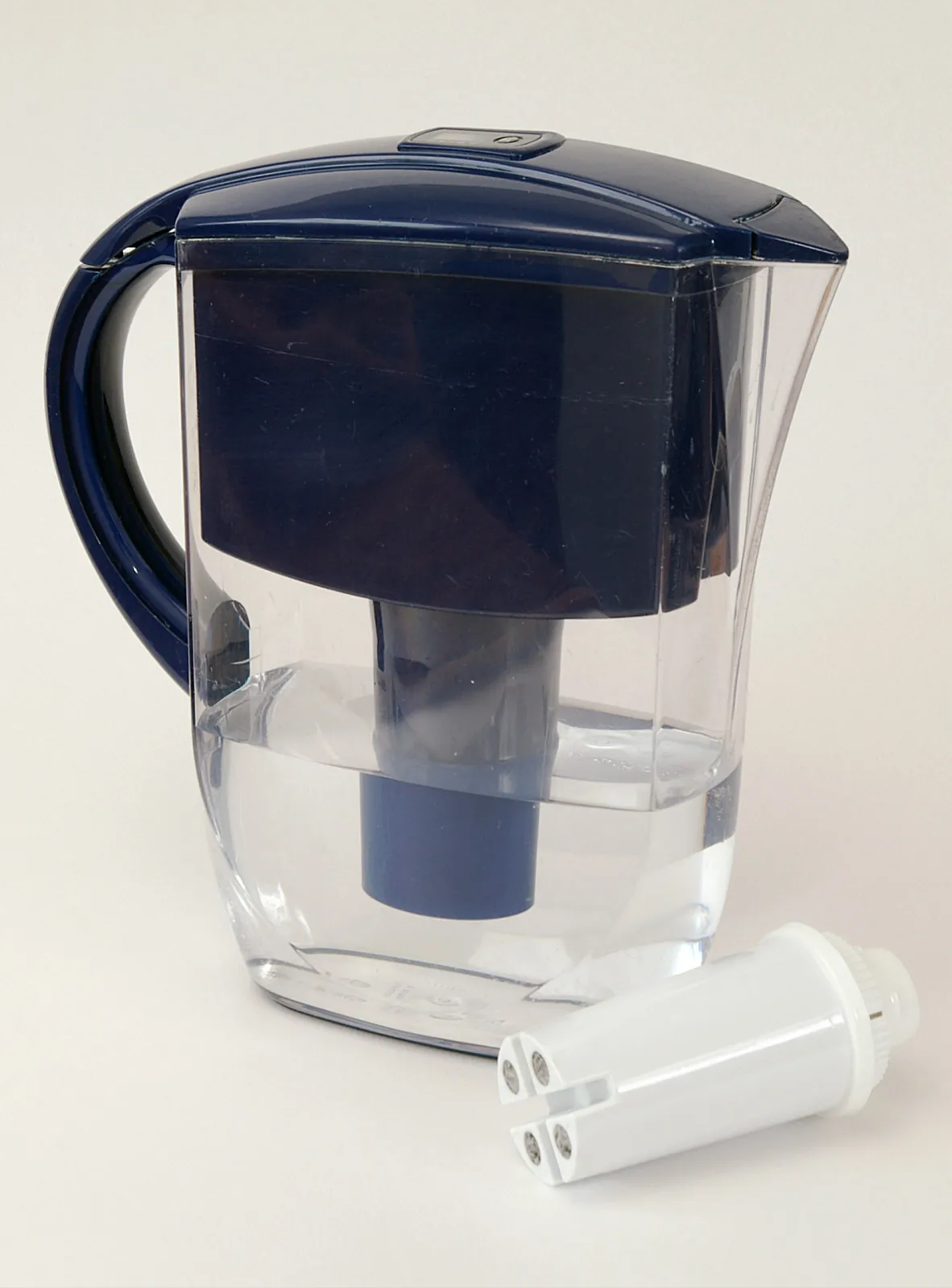
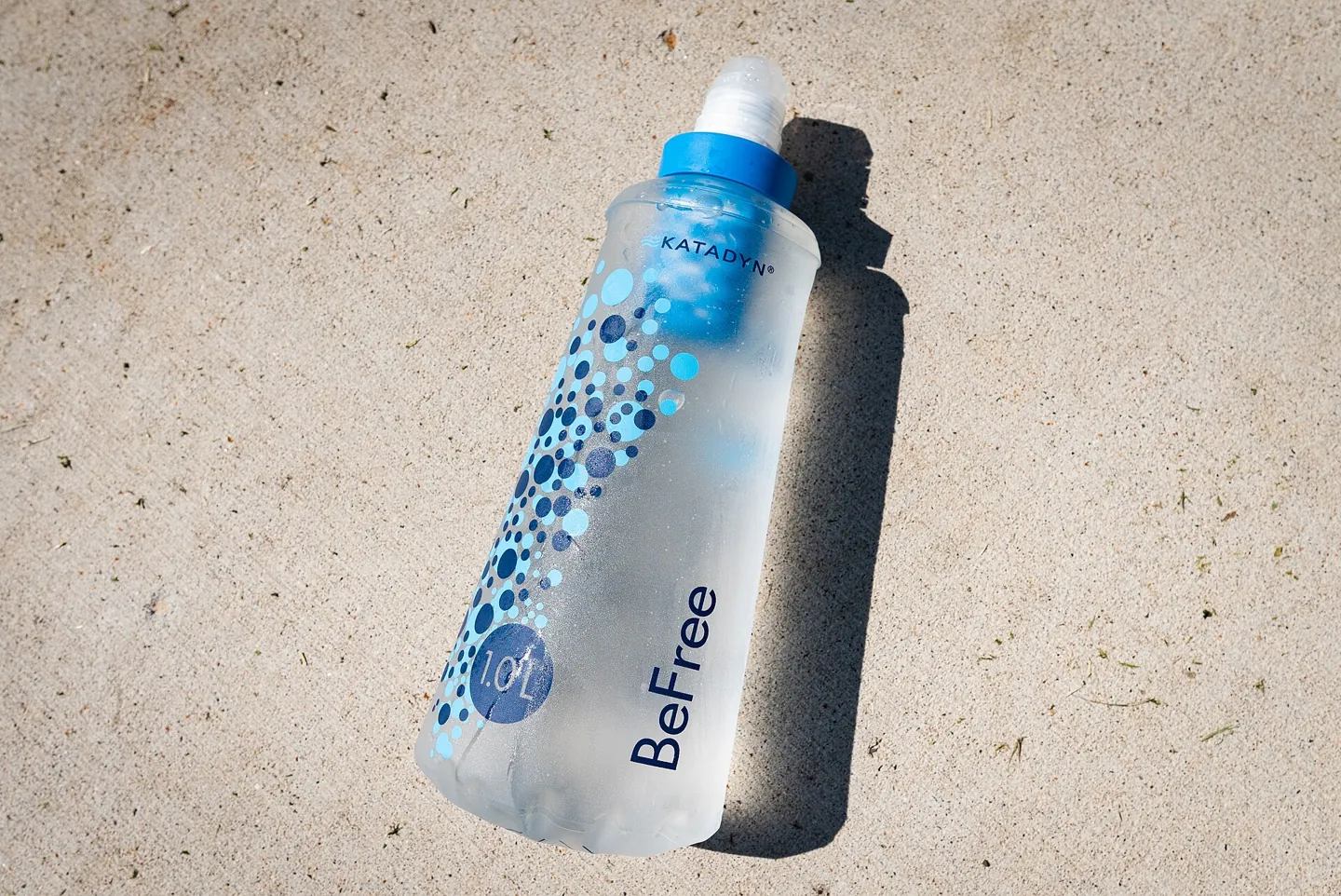
A filter advertised for better-tasting tap water and a device sold for treating outdoor water may look similar in a shopping result. Their purposes can be very different. Before buying either, establish what water you intend to use and which problem you expect the device to solve.
There is no single household filter claim that means "safe for every source". Read the exact product documentation, identify the relevant hazards and keep a suitable alternative supply for situations outside the device's verified use.

Full image attribution
Katadyn BeFree Water Bottle 0.1-micron Hollow Fiber Filter (42691095220).jpg — Tony Webster from Minneapolis, Minnesota, United States; CC BY 2.0. Resized and converted to WebP; source: https://commons.wikimedia.org/wiki/File:Katadyn_BeFree_Water_Bottle_0.1-micron_Hollow_Fiber_Filter_(42691095220).jpg

Full image attribution
Activated Carbon.jpg — Ravedave ( talk ); CC BY 2.5. Resized and converted to WebP; source: https://commons.wikimedia.org/wiki/File:Activated_Carbon.jpg
Start with the water problem
For normal public tap water, contact the supplier about an unexpected change in taste, colour or smell. A filter can make a symptom less noticeable without establishing its cause. Record when the change began, which taps are affected and whether neighbours have reported it.
The Drinking Water Inspectorate's domestic-filter guidance says public supplies in England and Wales normally do not need extra household treatment as a health measure. It advises seeking the supplier's advice and addressing plumbing faults at their source.
A private supply requires a source-specific assessment. An outdoor source introduces a different set of uncertainties again. A filter selected for one context should not silently become the household's plan for another.
Write your intended use as a plain sentence. For example, "improve the taste of otherwise suitable tap water" is a much narrower task than "provide drinking water after a contamination incident". If you cannot name the problem, you cannot sensibly judge the claim.
Separate the types of claim
| Claim type | What to establish | What it does not automatically prove |
|---|---|---|
| Taste or odour | Which substance or aesthetic effect the product addresses. | Protection against disease-causing organisms. |
| Particles or sediment | Test conditions and the exact particulate claim. | Removal of dissolved chemicals or every microorganism. |
| Bacteria, viruses or cysts | Which categories are tested and the intended source-water conditions. | That a claim for one category covers the others. |
| A named chemical | The exact substance, reduction claim, capacity and operating conditions. | Removal of all chemicals or an unknown pollution mixture. |
| Hardness reduction | The treatment purpose and appropriate drinking-water arrangement. | Disinfection or a general guarantee of water safety. |
Words such as "pure", "clean" and "advanced" are not a substitute for a named claim. Even a precise percentage needs context. Ask what was tested, at what starting concentration, for how much water and with which cartridge.
Read exclusions as carefully as the headline. A product intended only for microbiologically safe tap water is not an emergency purifier simply because its packaging describes several other reductions.
Read certification as a specific statement
NSF explains that its standard numbers describe different tests and are not a quality ranking. NSF/ANSI 42 concerns aesthetic effects; 53 concerns specified health-related reduction claims; 55 covers ultraviolet systems; and 58 concerns reverse-osmosis systems. These summaries do not replace the actual listing.
Certification to a standard does not mean every claim allowed under that standard applies to the product. Check the exact model, replacement cartridge and named contaminant in the certifier's record. A logo on a retailer's image may describe only part of an assembled system.
Distinguish a published certification listing from a seller saying a product was "tested to" a standard. Ask who performed the test and where the evidence can be read. If the relevant claim cannot be verified, do not build an emergency water plan around it.
Standards developed elsewhere can provide useful evidence, but they do not cancel UK supplier instructions or establish suitability for your particular source. Keep the intended use and local situation at the centre of the decision.
Understand the limits of the treatment method
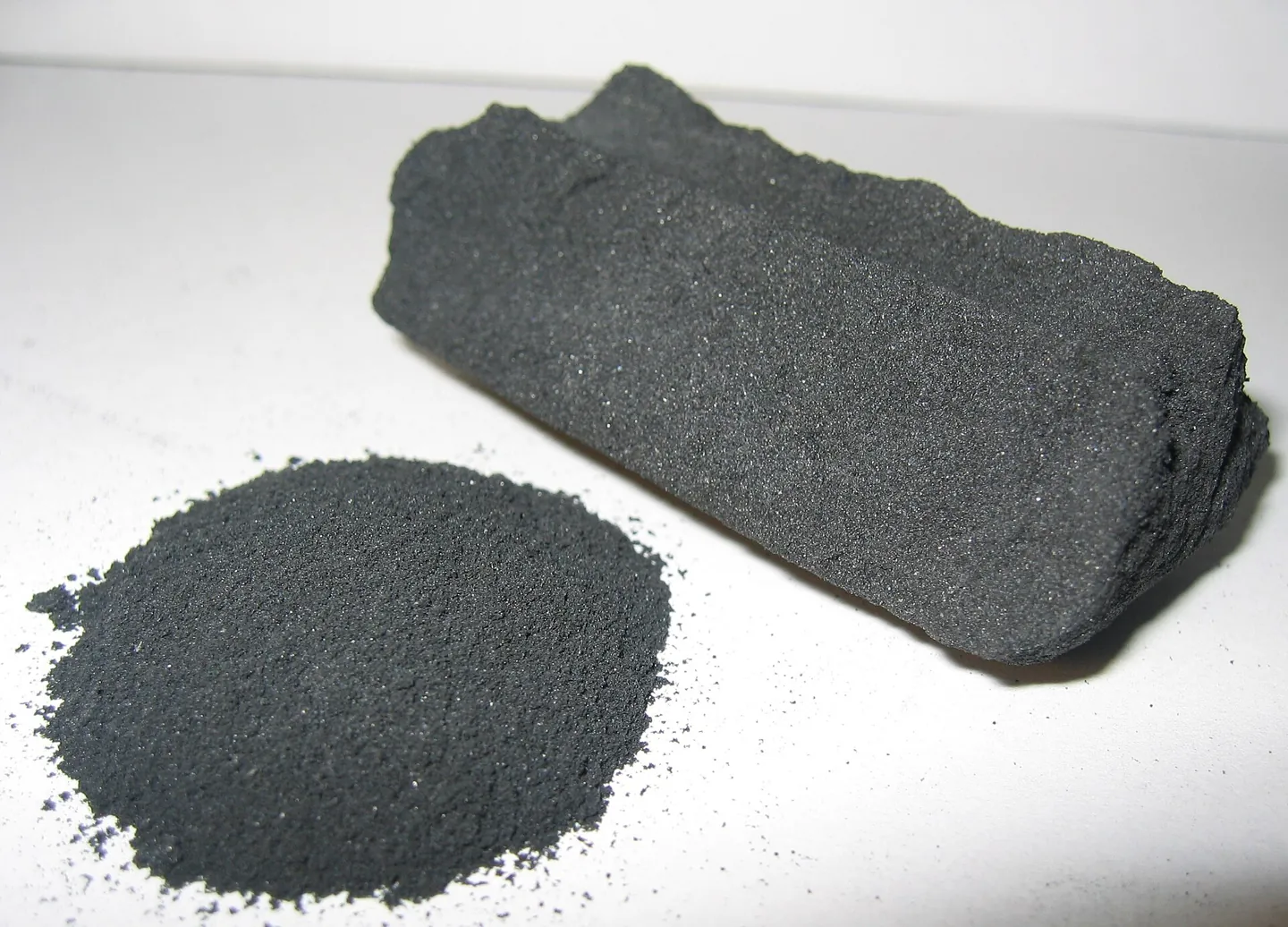
Activated carbon is often used for taste and odour treatment, while other media target different substances. A membrane's pore-size description tells only part of the story. You still need the complete system's tested claims and operating instructions.
Ultraviolet treatment, chemical disinfection, physical filtration and reverse osmosis are different processes. Some installations combine several stages. Do not remove a stage, change its order or substitute a similar-looking cartridge on the assumption that all treatment does the same job.
The DWI manual for small supplies explains treatment in relation to source protection, water properties and system design. That is why a private-supply treatment decision belongs with competent assessment and maintenance rather than a generic shopping list.
Home plumbing installations also require appropriate design and fitting. Ask a competent installer about compatibility, any notification requirements and how the system affects normal use. This guide does not provide pipework, electrical or disinfection instructions.
Use an evidence check before buying
- Write down the source water and the specific problem to be addressed.
- Find the manufacturer's manual and performance information for the exact model.
- Match each relevant claim to an identifiable test or certification record.
- Check the cartridge name and whether it is the one included in the sale.
- Read source-water limits, flow, pressure, temperature and maintenance conditions.
- Confirm replacement parts and the procedure after damage, storage or interruption.
- Decide what water you will use when the device is outside those conditions.
Keep a copy of the documents with the purchase details. A product page can change or disappear, and a future household member may need to identify the cartridge. Record the manufacturer rather than relying only on the marketplace seller's name.
Compare the full commitment, including replacement cartridges and any power or water requirements. Use current verified information for actual costs. A low purchase price does not reveal whether the necessary parts will be available when needed.
Treat maintenance as part of the claim
A reduction claim assumes the system is used within its specified conditions. Follow replacement intervals, rated capacity and cleaning directions. Do not extend use because water still tastes acceptable or because a cartridge looks clean from the outside.
The DWI's domestic-filter advice stresses changing carbon cartridges according to the manufacturer's instructions. Keep a simple record of installation and replacement dates. If the instructions also use a volume limit, track that in the way the manufacturer specifies.
Use the correct replacement, not just one that fits the housing. Keep dirty and treated-water parts separated according to the manual. If a portable device has been dropped, frozen, left wet in storage or otherwise exposed outside its instructions, ask the manufacturer whether it remains usable.
Do not invent a household cleaning chemical dose or a backflushing procedure. The treatment material and construction matter. A cleaning method suitable for one system can be inappropriate for another.

Full image attribution
Water flowing from drinking water tap.jpg — Mateusz Konieczny; CC0. Resized and converted to WebP; source: https://commons.wikimedia.org/wiki/File:Water_flowing_from_drinking_water_tap.jpg
A filter does not cancel a water notice
If the supplier issues a boil-water, do-not-drink or do-not-use instruction, follow that instruction for your address. Do not assume your household filter creates an exception. Ask the issuer if you need clarification about a particular installed system.
The DWI's notice guidance explains that microbiological precautions and instructions to stop using water are different responses. Boiling is not a universal answer to every contamination event, and adding filtration does not turn an unknown source into a verified safe one.
Use the boil-water notice guide for household tasks and the eventual all-clear. Follow any incident-specific directions about flushing, cleaning equipment or replacing cartridges after restrictions end. Normal pressure and clear water do not themselves withdraw a notice.
A stored drinking-water reserve remains useful even if you own treatment equipment. The storage guide and collection guide cover alternatives that do not depend on interpreting a filter claim during the incident.
Keep outdoor and private-supply decisions separate
On walks, plan carried water and dependable refill points before relying on a natural source. The walking-water guide covers route decisions and treatment limits. A device's microbiological claim does not establish suitability for chemically polluted water.
For a well, spring or borehole, keep source assessment, sampling and treatment maintenance together. The private-supply disruption guide explains UK authority routes and planning for faults. A successful sample at one time does not make every later source condition identical.
Do not use a household total-dissolved-solids reading, taste comparison or clear appearance as a substitute for the required assessment. Those observations cannot establish that every relevant hazard is absent. Ask the authority or qualified adviser which evidence is needed.
Questions that often decide the purchase
Does a smaller pore size mean a safer filter?
It is one specification, not a complete safety claim. Check what the whole product has been tested to reduce, its source-water limits and how damage or maintenance affects performance. Do not compare two unexplained numbers as though they described every hazard.
Can I keep using a cartridge after its replacement date?
Follow the manufacturer's stated limits. Taste and appearance are not reliable measures of remaining treatment capacity. If you cannot obtain the correct replacement, use a suitable alternative supply rather than assume the old cartridge continues to meet its claim.
Keep a short comparison note
When comparing two products, write down the exact model, cartridge, intended source and evidence for the claim you need. Leave a field blank if the seller has not provided it. A missing answer is useful information, not an invitation to infer performance from the price or appearance.
Reject comparisons that use different purposes as though they were equivalent. A taste-treatment jug may be suitable for one household preference while offering no evidence for your separate emergency scenario. Buy only after the documentation answers the question you actually started with.
Before relying on a filter
- Name the source and hazard you want to address.
- Verify the exact model, cartridge and relevant claim.
- Read the certification listing and the operating exclusions.
- Plan maintenance, replacement parts and safe handling.
- Keep supplier restrictions separate from marketing claims.
- Arrange a suitable alternative drinking-water supply.
- Seek competent advice for private supplies and installed treatment.
- Review the plan after damage, a treatment fault or a contamination incident.
Sources
Primary sources checked on 2 November 2026. Incident instructions and individual care plans take precedence where relevant.