Find your stop tap before a water leak
Locate and label your internal stop tap, check access and plan who to call if it is seized, leaking or part of a shared water system.
The UK reference library
Practical guides to water leaks, carrying supplies, private water systems, outage hygiene and the limits of household filters.
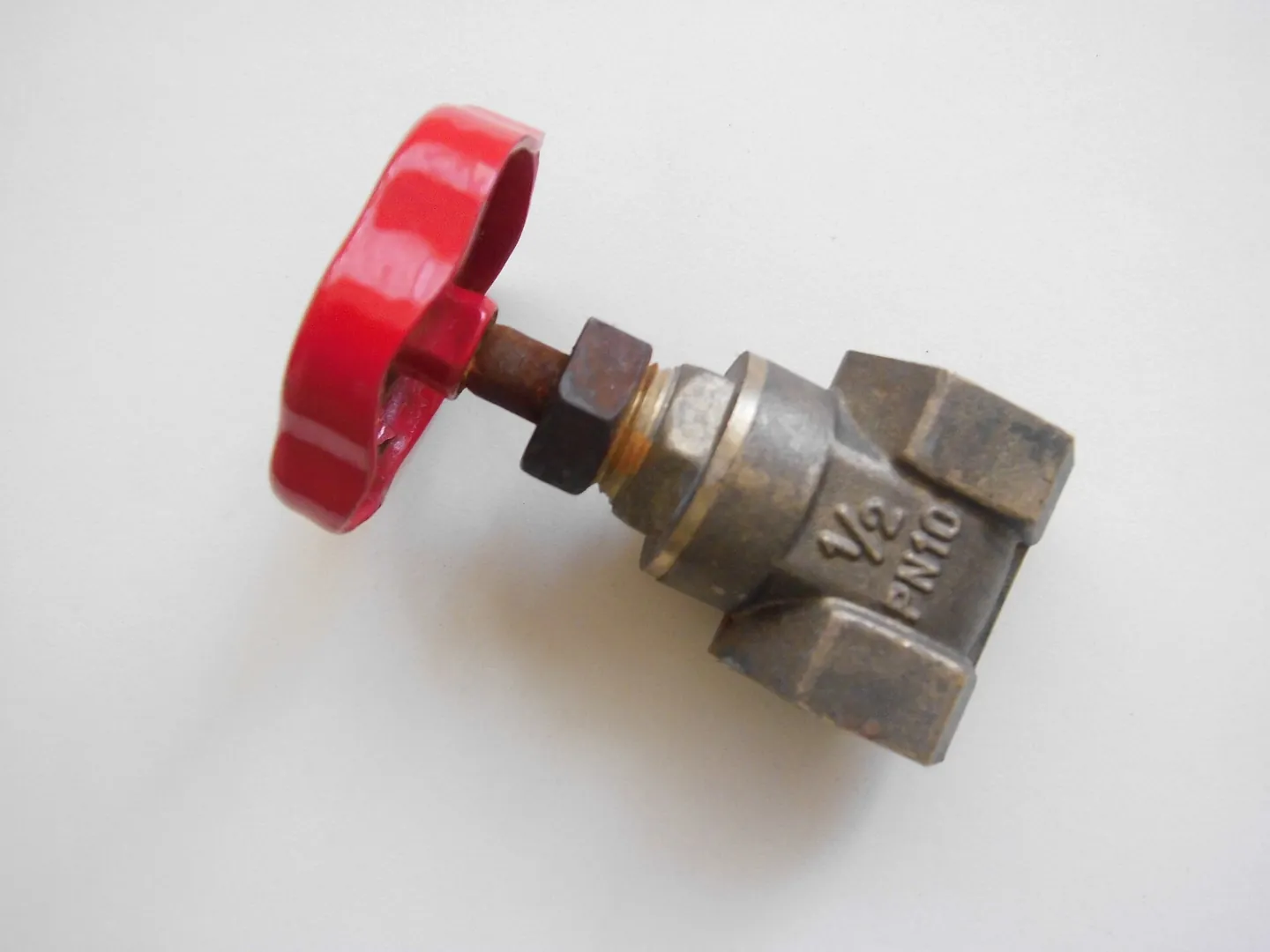
Stopcock 2013 001.JPG — Veronidae; CC BY-SA 3.0. Resized and converted to WebP; source: https://commons.wikimedia.org/wiki/File:Stopcock_2013_001.JPG
Water problems are not interchangeable. A leak inside your home, a public supply interruption and a problem with a private source each need different information. These guides help you distinguish them and plan access to safe water, including the work of collecting and carrying it. Treatment claims deserve particular care. Start with the water supplier or regulator responsible for your area and follow any notice that applies to the actual incident.
Locate and label your internal stop tap, check access and plan who to call if it is seized, leaking or part of a shared water system.
Plan water collection around safe containers, manageable loads, stairs and supplier support, rather than relying on one heavy container.
Prepare for a failed well, spring or borehole supply with UK regulator contacts, maintenance records, alternative water and a safe restart plan.
Plan handwashing and toilet use during a water outage, distinguish sewer failure and follow local instructions for temporary sanitation.
Read water-filter claims, certification and operating limits without assuming a jug or outdoor filter makes every water source safe.