Gas and electricity emergencies: when to leave and who to call
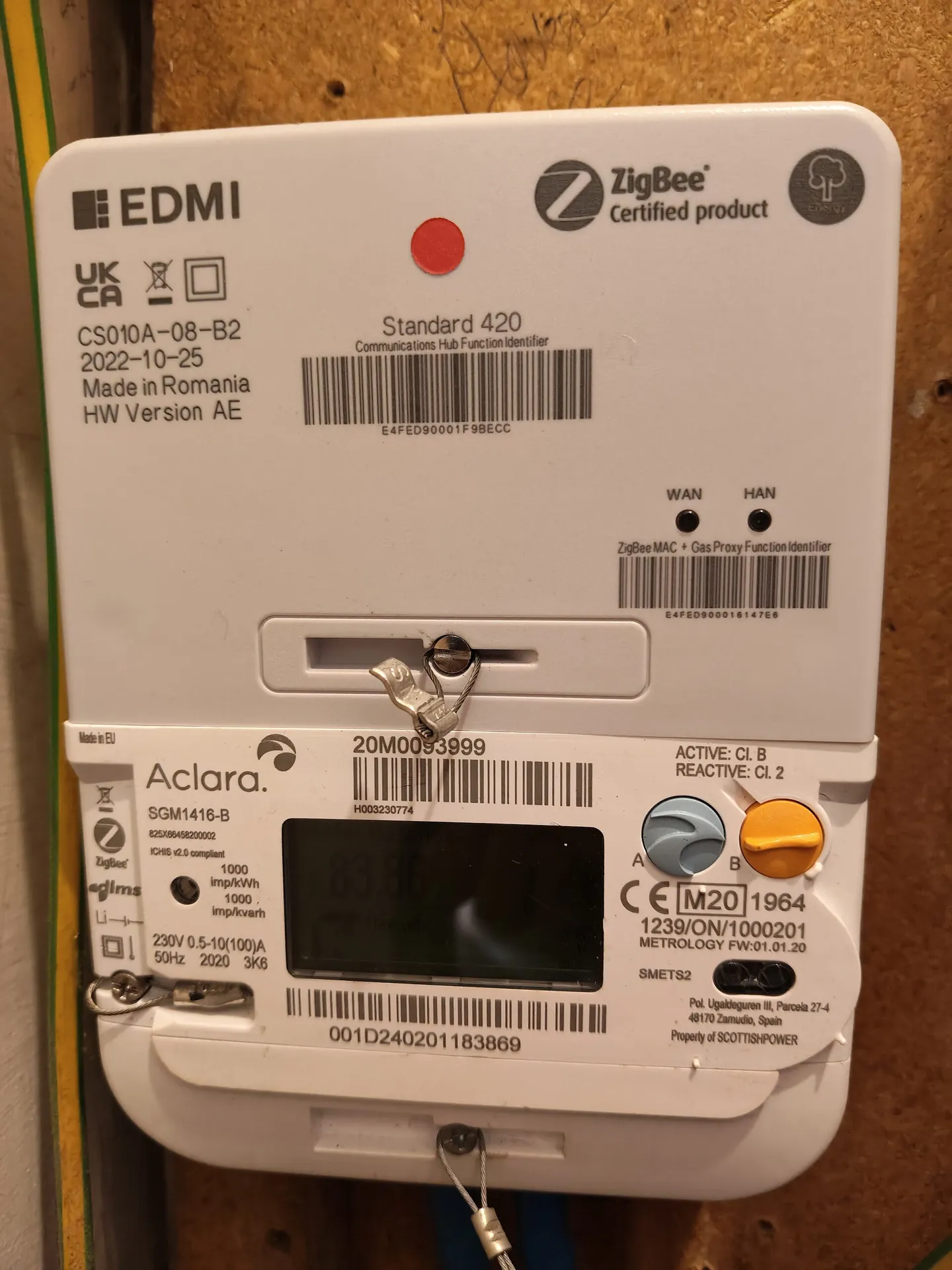
Know when to leave, which UK gas or electricity emergency number to call, and why isolation is not a DIY repair or a reason to delay.
The guide library
Guides for planning around common disruptions. Read the guide that matches your household.
Showing 37–48 of 123 guides
Know when to leave, which UK gas or electricity emergency number to call, and why isolation is not a DIY repair or a reason to delay.
Recognise heat illness, start cooling, understand the 30-minute limit and call 999 immediately for heatstroke warning signs.
Assess the risks around your home, identify vulnerable routines and choose practical actions using local evidence and a simple household worksheet.
Run a short household emergency exercise with a realistic scenario, safe checks and a useful debrief, without switching off essential services.
Inspect dry food, contain pantry moths and beetles, clean cupboards and reduce repeat infestations without spraying pesticides near food.
What to do when your position is uncertain on a UK hill walk, including safe stopping, navigation checks and calling Mountain Rescue.
Make a building-specific fire plan, check doors and exits, arrange help and practise safely without assuming every flat should evacuate.
Turn familiar meals into a realistic emergency food quantity, allowing for portions, drained weights, cooking water and pack sizes.
Plan repeat prescriptions, pharmacy contacts, storage and urgent supply routes across the UK without stockpiling or changing treatment.
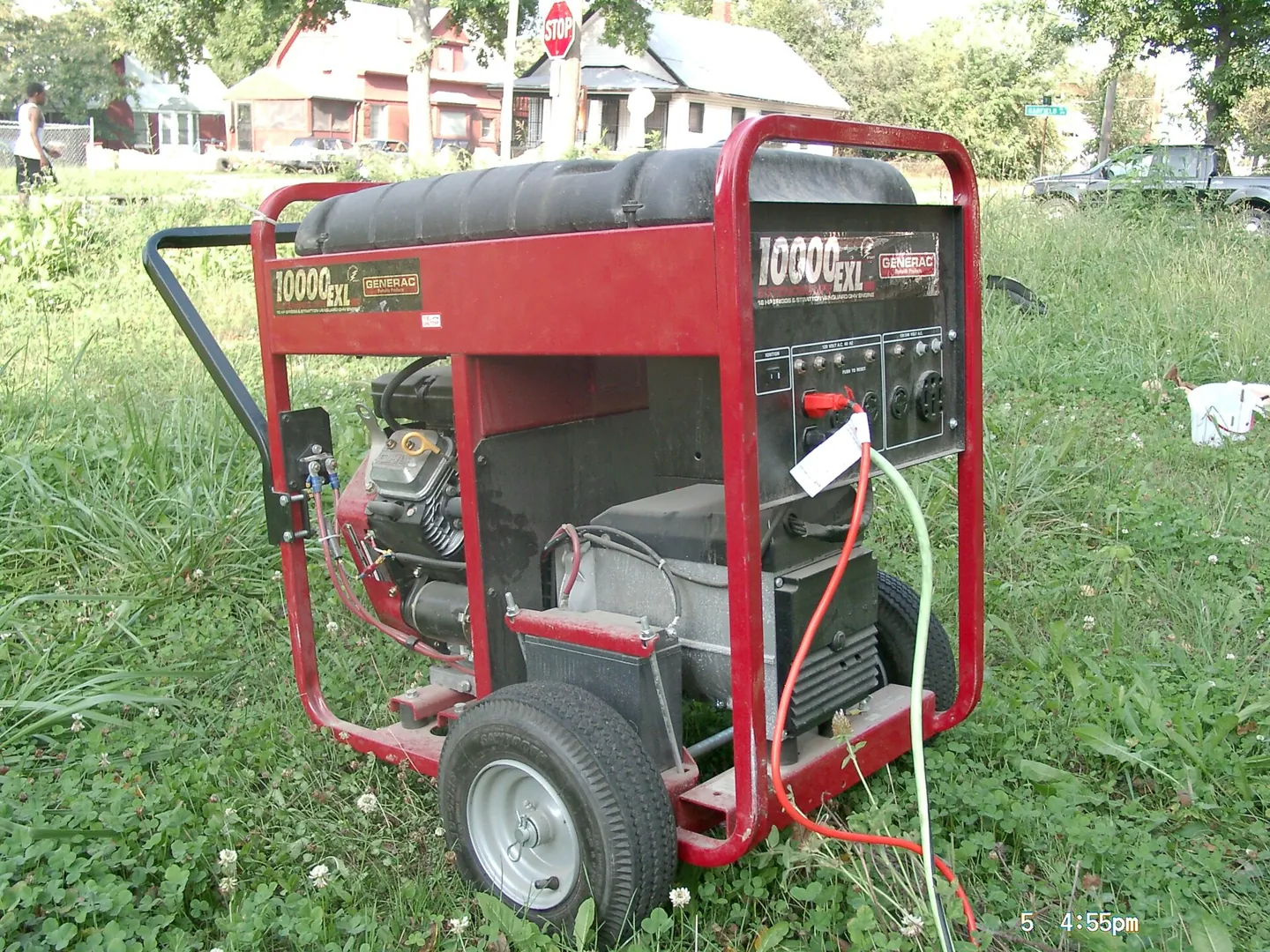
Assess outdoor space, carbon monoxide, fuel, electrical protection and household needs before buying a portable generator for power cuts.
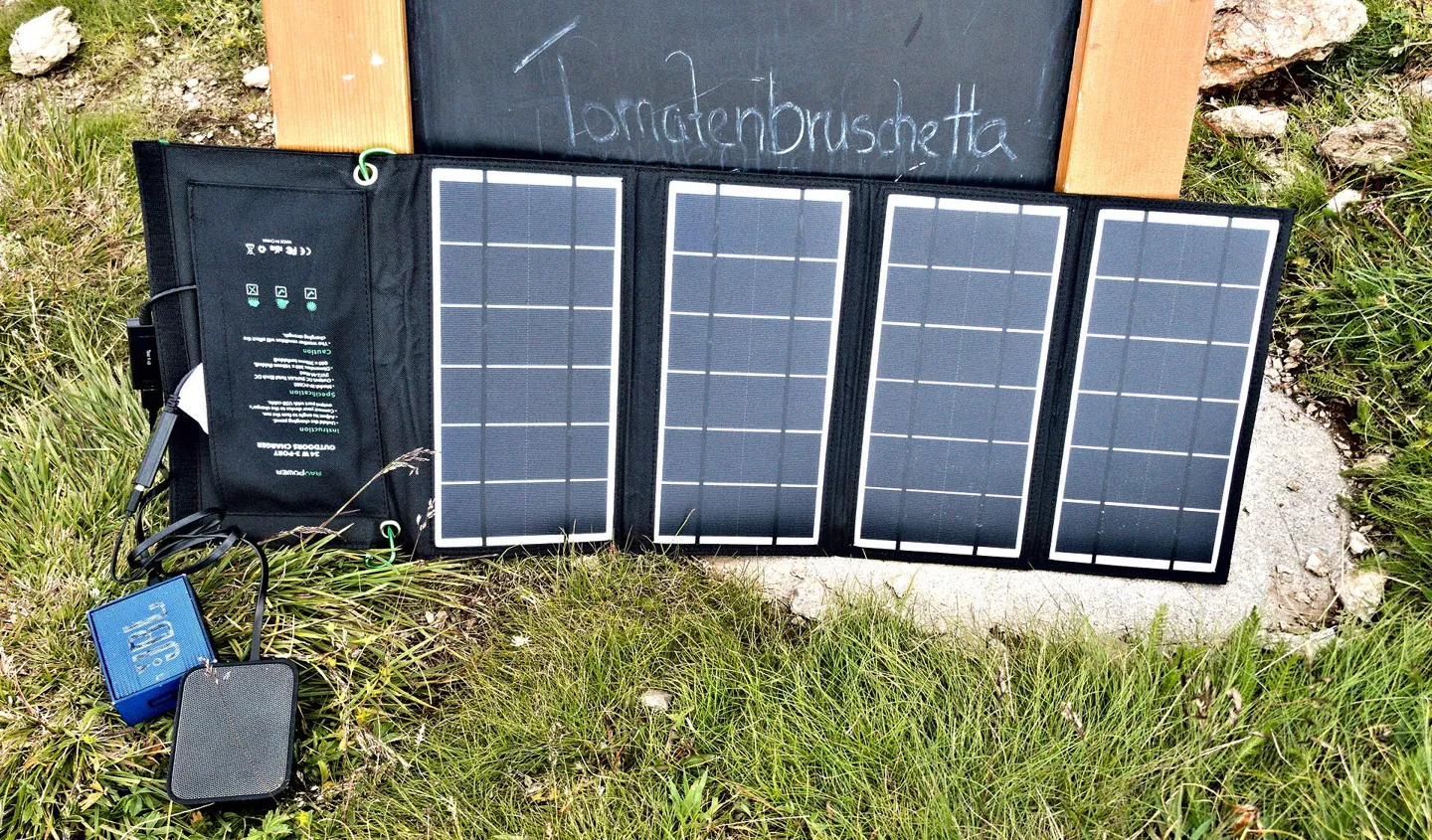
Estimate what portable solar can contribute in a British winter, check shade and compatibility, and plan for days with little useful charging.
Prepare for a failed well, spring or borehole supply with UK regulator contacts, maintenance records, alternative water and a safe restart plan.