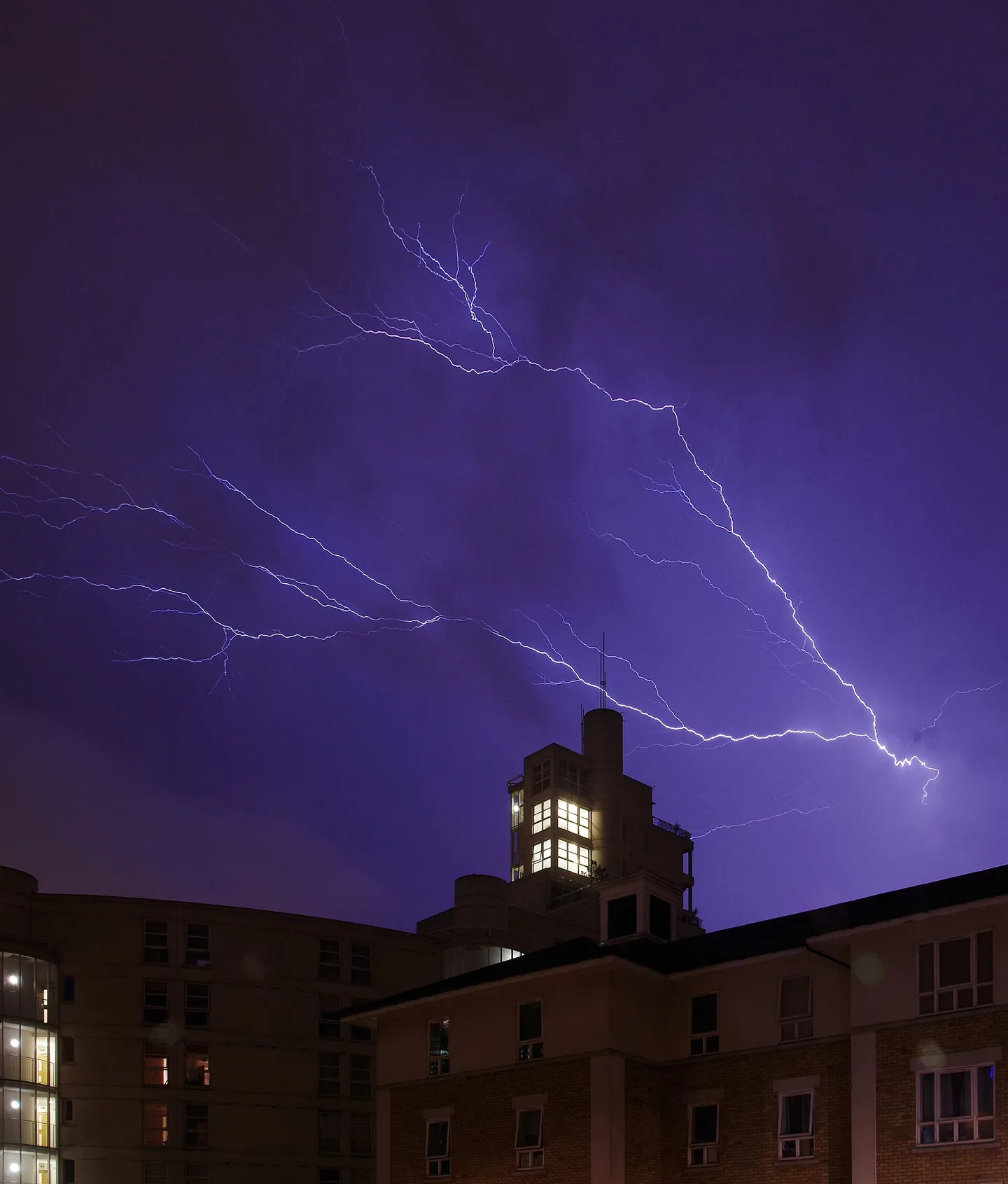
Thunderstorms in the UK: practical lightning safety
Make a UK thunderstorm plan: choose proper shelter, stop exposed activities, manage journeys and know when to seek emergency help.
The guide library
Guides for planning around common disruptions. Read the guide that matches your household.
Showing 61–72 of 123 guides
Make a UK thunderstorm plan: choose proper shelter, stop exposed activities, manage journeys and know when to seek emergency help.
Plan handwashing and toilet use during a water outage, distinguish sewer failure and follow local instructions for temporary sanitation.
Read water-filter claims, certification and operating limits without assuming a jug or outdoor filter makes every water source safe.
Check for damage, restart appliances safely and know when to call the network operator or an electrician after electricity returns.
Prepare for nearby wildfire and smoke with clear information sources, accessible evacuation arrangements and sensible indoor precautions.
Check whether a permanent home battery supports power-cut backup, which circuits work, runtime limits and questions for a qualified installer.
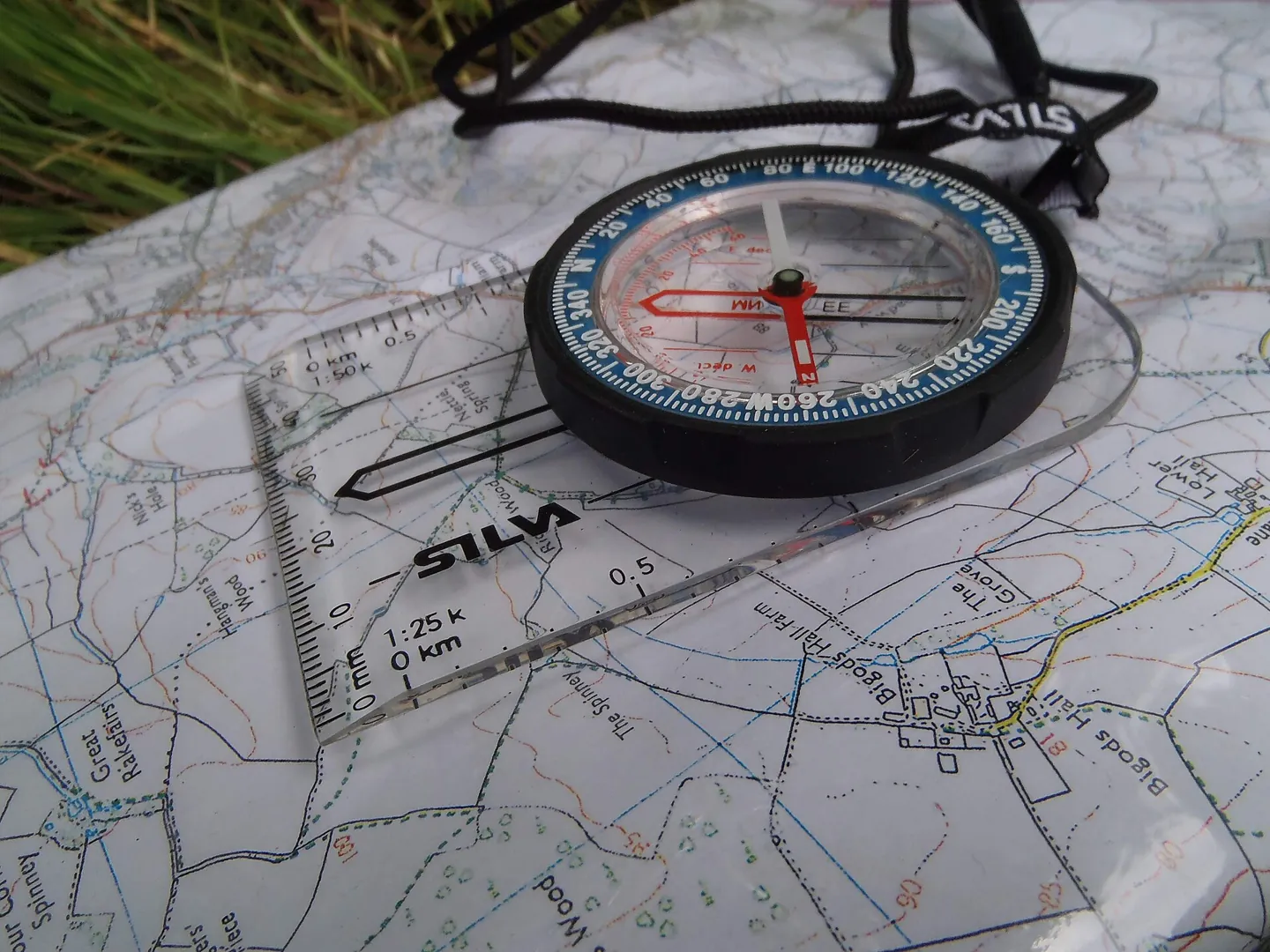
Write a practical UK walking route card with checkpoints, realistic timing, safe alternatives, contact arrangements and a clear turnaround plan.
Learn how watts and watt-hours relate, why electric heaters use substantial energy, and how to plan safely for boilers and medical equipment.
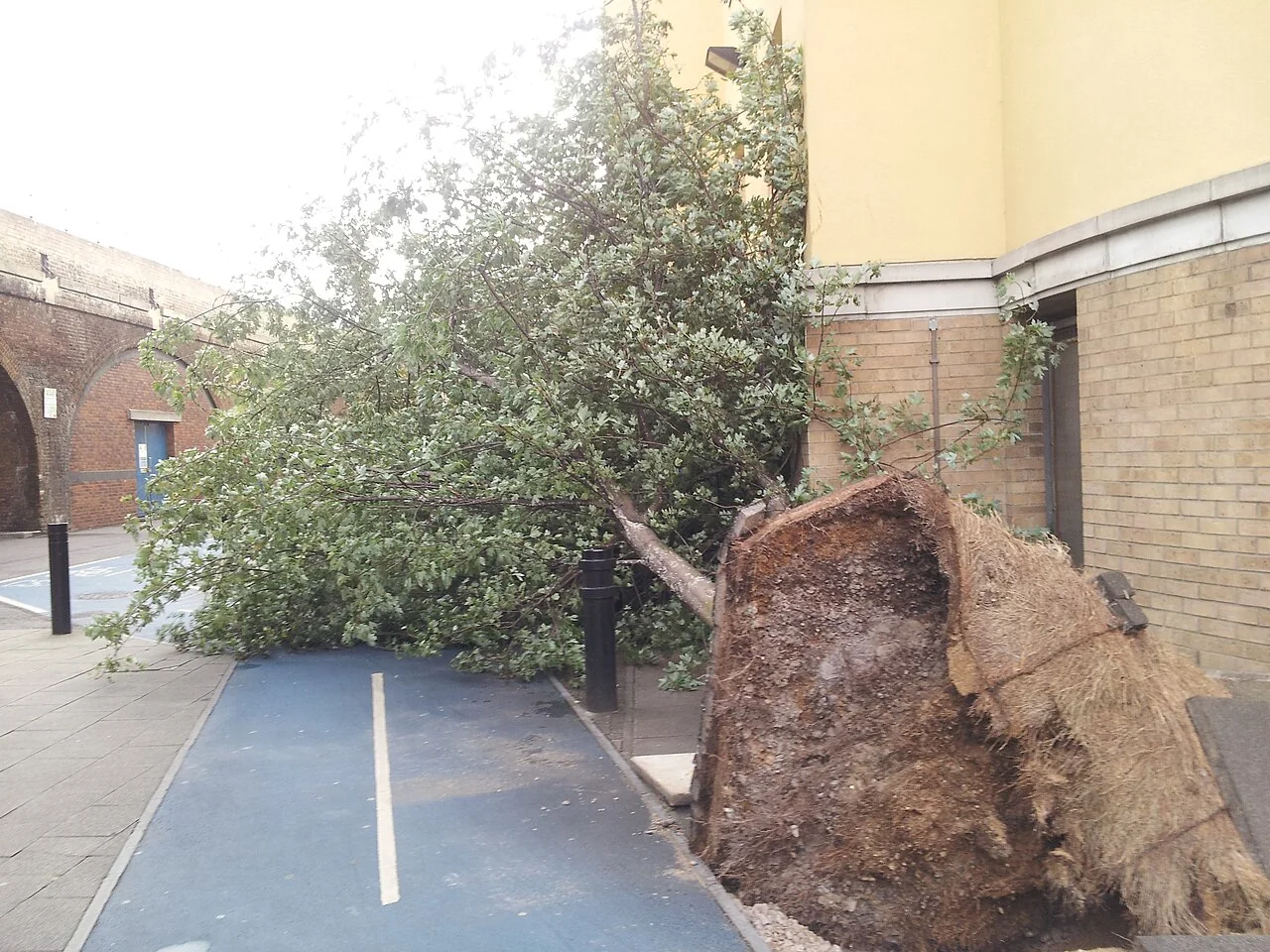
Why storm power cuts can last longer: read the warning, report on 105, follow changing restoration times and keep away from fallen lines.
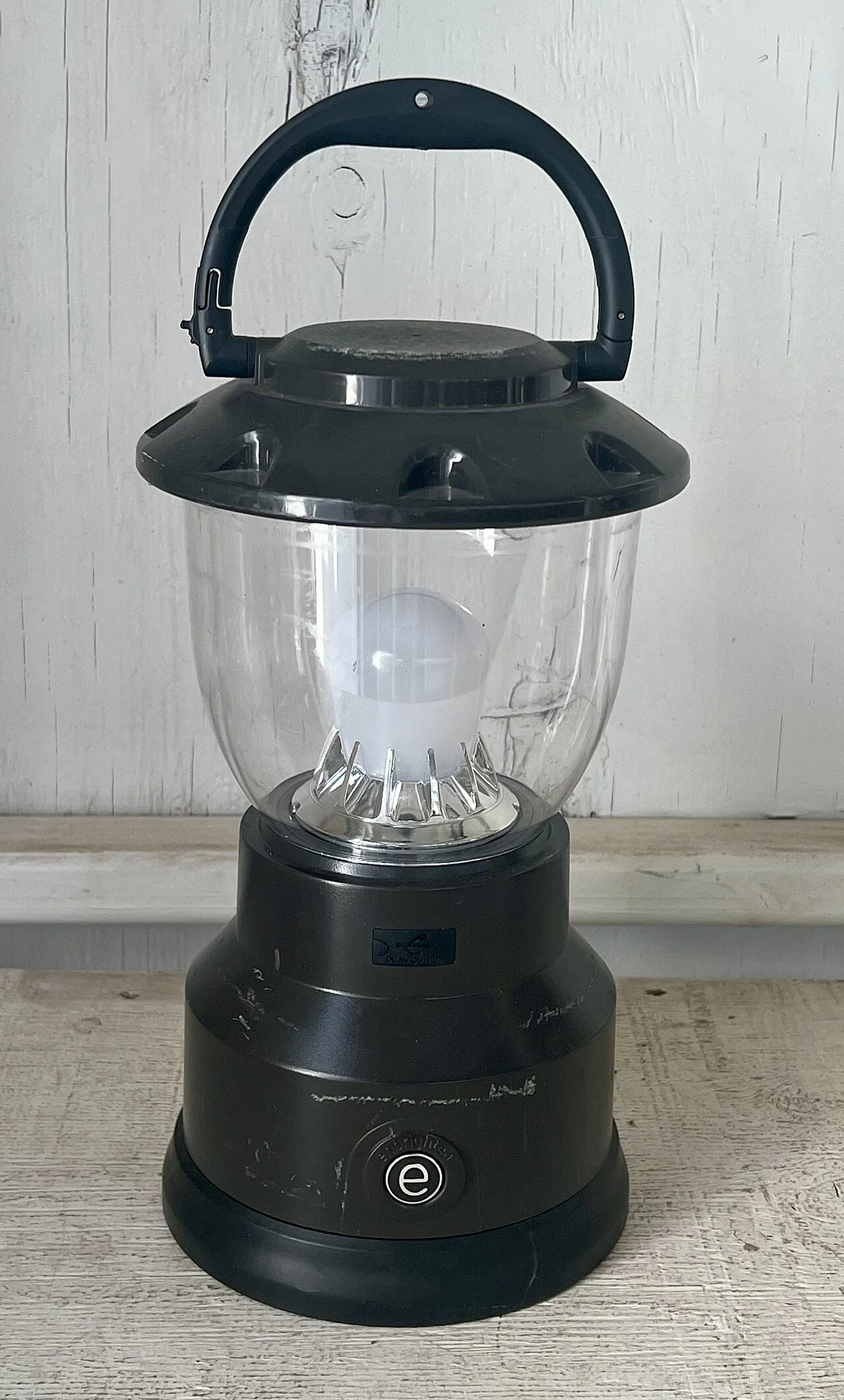
A practical winter power cut checklist for UK households, from advance planning to safe overnight routines and restoring normal service.
Build a three-day home emergency kit around meals, water, lighting, communication and everyday care, with a practical test before you pack it away.
Build a practical UK car emergency kit, know what to do after a breakdown, and keep passengers safe without attempting roadside repairs.