
On this page
- Make the home ready while power is still off
- Look for danger before touching anything
- Treat water damage as a separate situation
- Restart ordinary appliances deliberately
- If only part of the home has power
- Check food separately from the appliance
- Confirm that communication has recovered
- Record the fault and restore readiness
- Avoid these restoration mistakes
- Power-restored checklist
- Sources
A cooker left switched on can become a hazard when the supply returns to an empty kitchen. A freezer may start humming again even though some food has warmed. A router may display lights while the telephone service remains unavailable. Restoration is the start of a few checks, not evidence that everything has returned to normal.
For an uncomplicated outage in a dry, undamaged home, the checks below are mostly observation and ordinary appliance controls. If there has been flooding, fire, impact damage, exposed wiring or a burning smell, leave affected equipment alone and obtain professional advice. Do not investigate inside electrical fittings.

Full image attribution
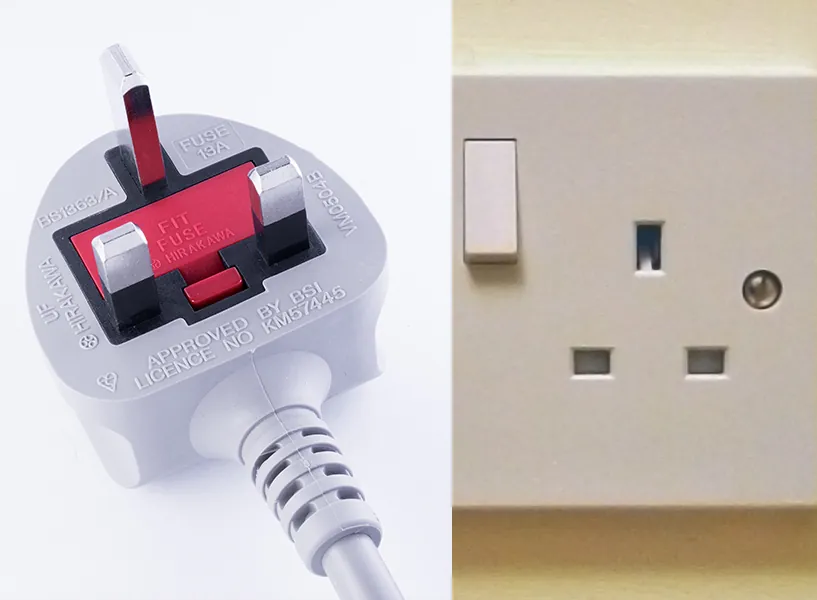
UK BS 1363 plug and socket (IEC Type G).png — Ukpluggerrr; CC BY-SA 4.0. Resized and converted to WebP; source: https://commons.wikimedia.org/wiki/File:UK_BS_1363_plug_and_socket_(IEC_Type_G).png
Make the home ready while power is still off
Check appliances that could generate heat or move unexpectedly. Use their ordinary controls to leave them off where safe, taking account of essential equipment that has a separate agreed plan. The Met Office advises turning off items such as ovens, irons and electric fires because an unattended restart can be hazardous.
Leave a suitable ordinary light switched on if that helps you notice restoration, provided the fitting is sound and dry. Keep a torch reachable until you know the supply has settled. Do not put belongings on a hob merely because it is temporarily cold.
If you leave the property during the outage, check what will happen in your absence. A timer, smart plug or appliance may resume its previous setting. Follow the manual rather than relying on an app that may itself be offline.
Powered medical equipment needs the plan agreed with the clinical team and supplier. Do not interrupt a device to follow a generic unplugging checklist. Keep the medical-equipment guidance and the device's own instructions accessible.
Look for danger before touching anything
When the lights return, pause and look from a safe position. Smoke, sparks, scorching, an unusual burning smell or water around electrical equipment are reasons to stop. If there is fire or immediate danger, leave and call 999. Do not reach through water or smoke to unplug a device.
Keep away from fallen wires, damaged street equipment and anything touching them. A line can become energised when the network is restored even if it appeared inactive earlier. Report network damage through the operator's emergency route, and use emergency services for immediate danger.
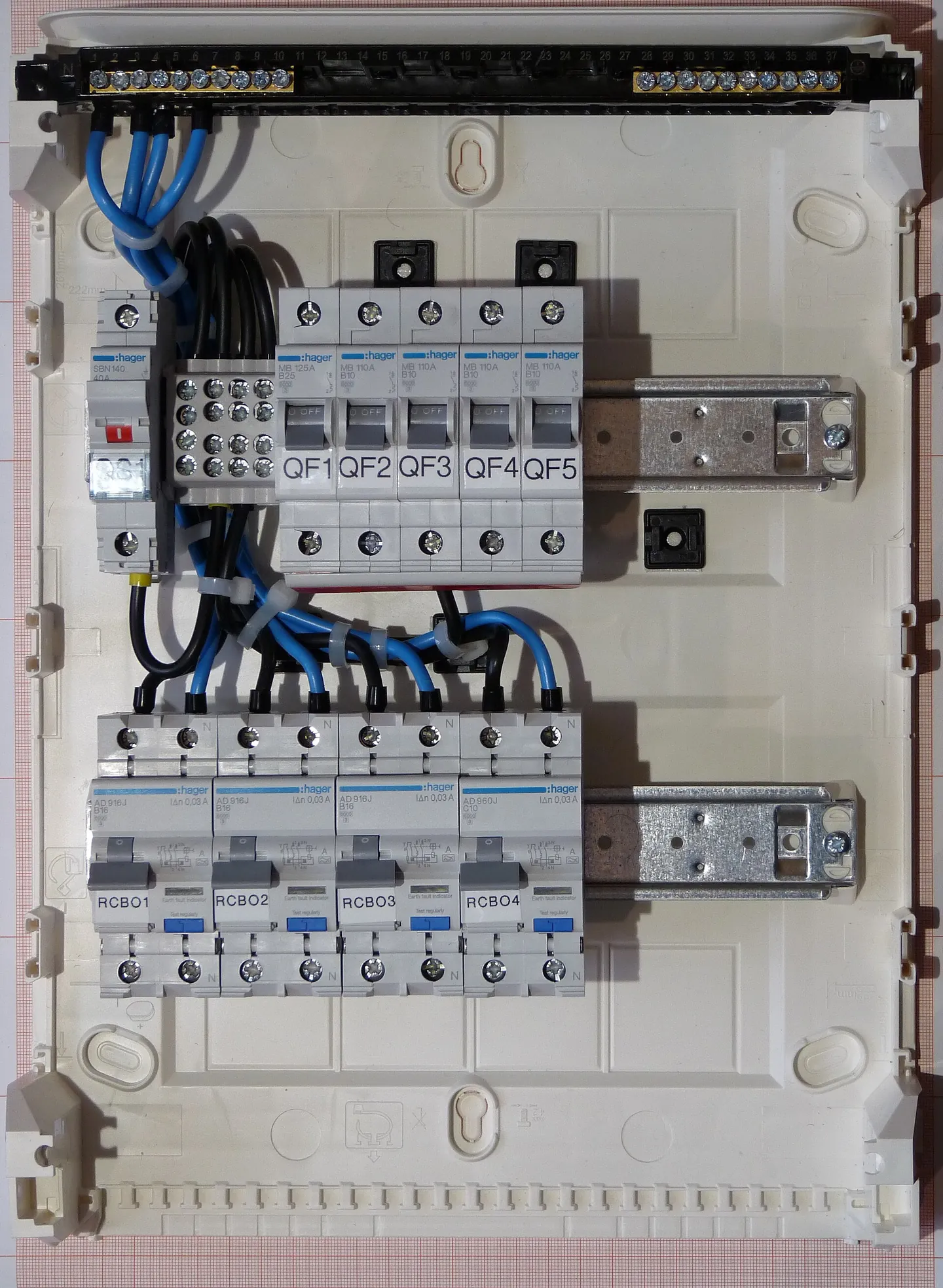
Do not open a consumer unit cover, socket, meter or appliance casing. Looking at an accessible indicator or reading a display is different from exposing electrical parts. A screwdriver and an internet explanation are not substitutes for a registered electrician.
Use the power-cut guide to identify the network contact. Great Britain uses 105 for local electricity network problems; Northern Ireland uses NIE Networks' published contact arrangements. Save the correct route before the next outage.
Treat water damage as a separate situation
If floodwater or a leak has reached sockets, appliances or the electrical installation, ordinary restart advice does not apply. Electrical Safety First says affected supplies and equipment need professional advice before use. Something that looks dry outside can still be unsafe internally.
Keep people out of affected areas and tell the landlord or managing agent where relevant. Contact the insurer about evidence and repairs, but do not delay an urgent safety response while waiting for a claim decision. Photograph only from a safe place.
Avoid testing a wet appliance by plugging it in briefly. Do not use a hairdryer, heater or extension lead to attempt an electrical recovery. A qualified professional must decide what can be inspected, repaired or replaced.
Keep the assessment specific. A network notice that power is restored to the street does not confirm the safety of a flooded property. Ask who has checked the household installation and what restrictions remain, then retain the written advice.
Restart ordinary appliances deliberately
In a dry home with no sign of damage, use the appliance manuals to restore ordinary use. There is no universal waiting period that suits every compressor, heating control, charger or electronic device. If a manual specifies a restart delay or sequence, follow it.
Bring back non-essential loads gradually so you can notice which device behaves unexpectedly. This is a practical observation method, not a guarantee against an electrical fault. Do not restart a suspect appliance to confirm that it was responsible.
| Equipment | Ordinary user check | When to stop |
|---|---|---|
| Cooker or heater | Controls are in the intended position and surroundings are clear | Unexpected heating, damage, smell or fault indication |
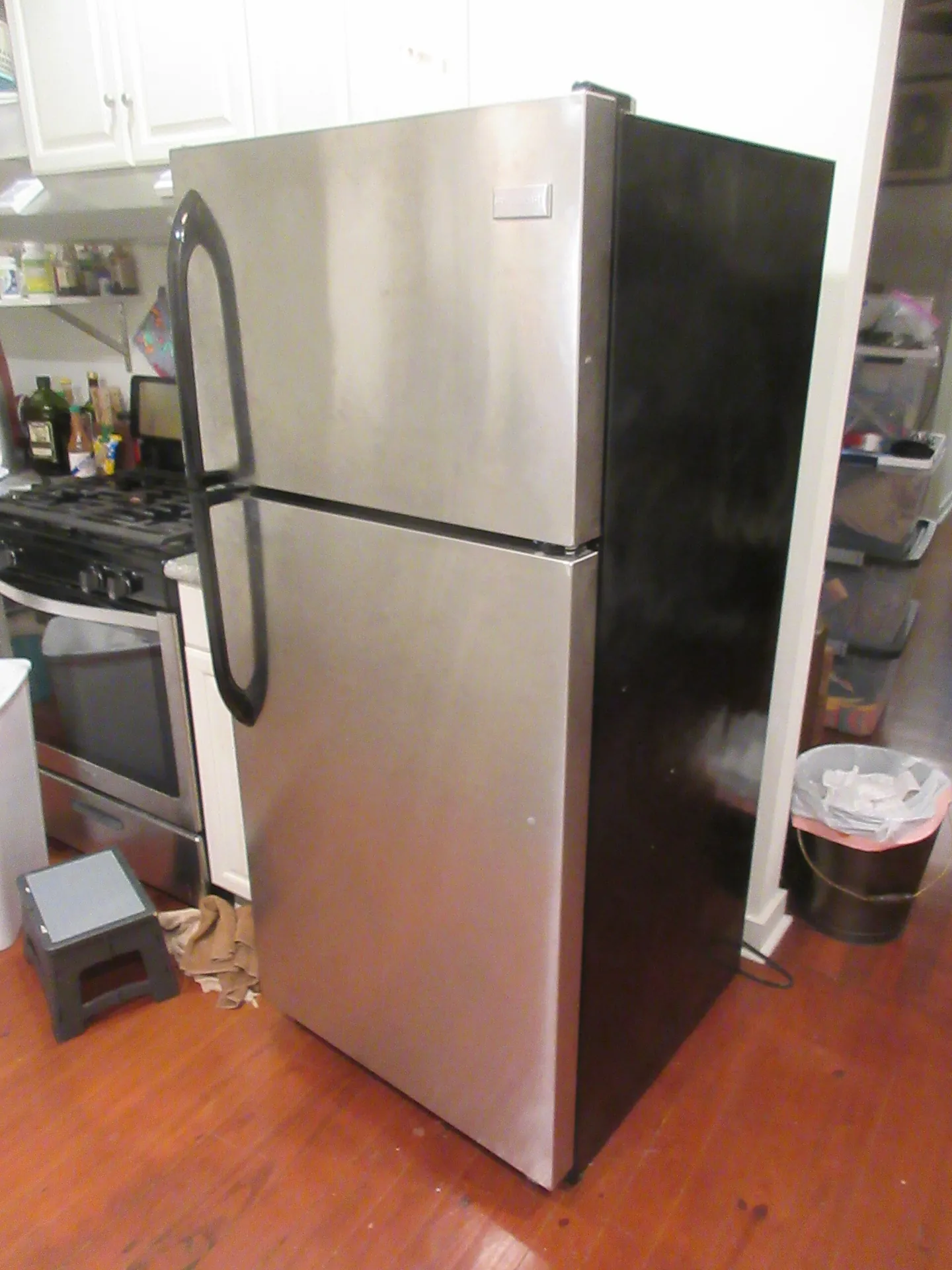
| Fridge or freezer | Power indication, normal operation and temperature | Unusual noise, leakage or failure to cool as expected |
| Boiler controls | Clock, programme and normal user display | Repeated fault or instructions requiring service work |
| Router and digital phone | Provider's startup sequence and an ordinary non-emergency call | Persistent fault after the advised recovery process |
| Rechargeable device | Undamaged charger, cable and battery before charging | Swelling, damage, unusual heat or odour |
If a device has been disconnected for a long time, read its storage and restart instructions. Do not assume a successful startup means every setting survived. Timers, clocks and some user preferences may need attention.

Full image attribution
Fuse box on hager components.JPG — Dmitry G; CC BY-SA 3.0. Resized and converted to WebP; source: https://commons.wikimedia.org/wiki/File:Fuse_box_on_hager_components.JPG
If only part of the home has power
A neighbour's lights returning does not establish that your connection is healthy. Check the network's official status and report that your property remains affected. Give the address and explain whether everything is off or only some circuits appear unavailable.
Tell the operator about unusual flickering, unexpectedly bright or dim lighting, or repeated interruptions. Do not try to measure mains voltage yourself. The operator can advise whether the symptoms suggest a supply problem and what to do next.
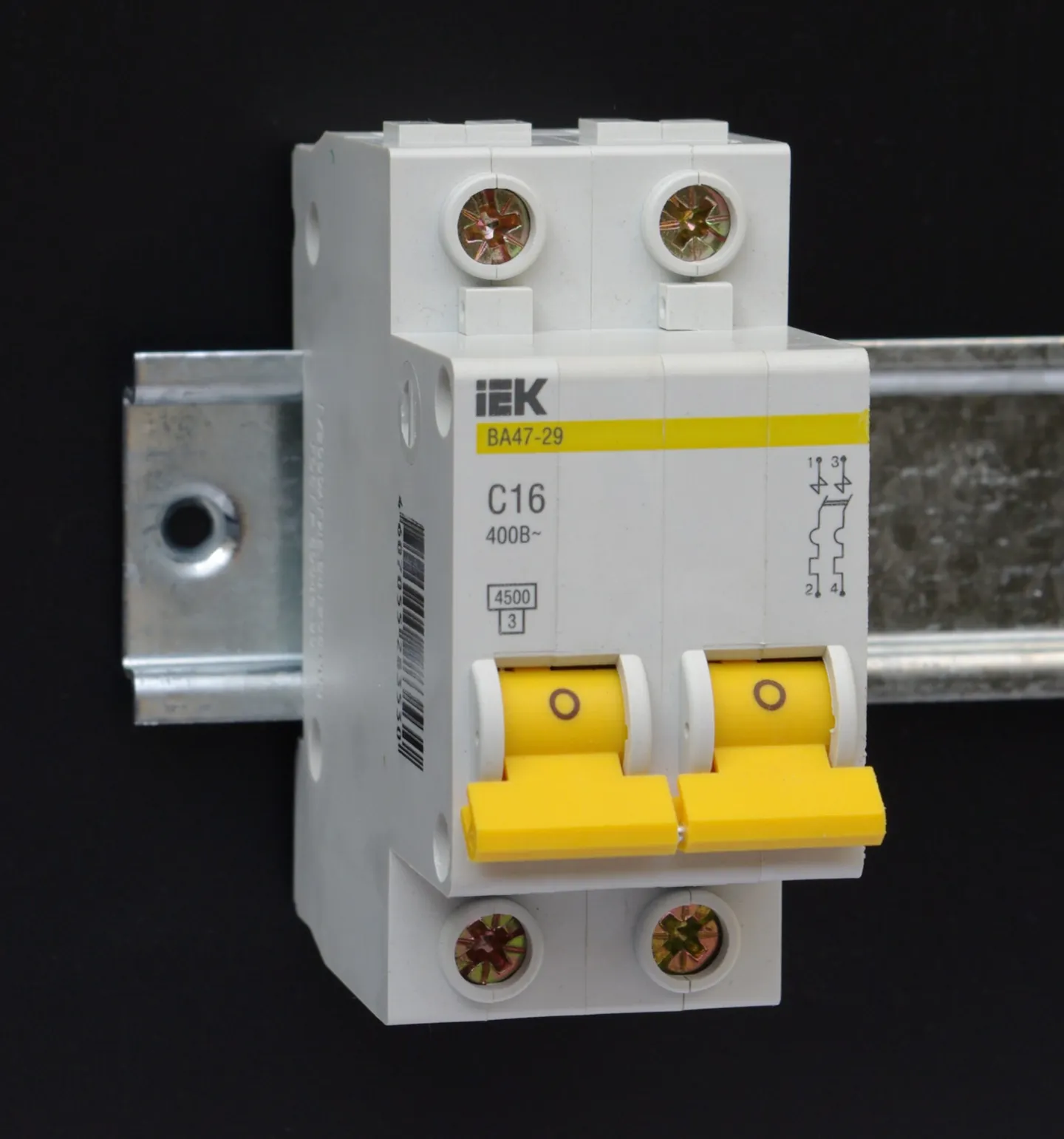
If the issue is within the property, contact a registered electrician or the landlord's urgent repair service. Do not repeatedly reset a protective device that trips, and do not bypass it. Its operation is a reason to identify the fault, not an inconvenience to defeat.
Follow any safe user-level checks given directly by the responsible professional. This guide deliberately does not provide a breaker-reset sequence because the condition of the installation and the reason for the trip are unknown.
Check food separately from the appliance
A running fridge cannot tell you how warm its contents became during the outage. Keep any record of when the supply failed, door openings and measured temperatures. Use the fridge and freezer food guide and current food-authority advice to decide what remains safe.
Do not taste food to test it. Avoid refreezing or saving an item simply because replacing it would be expensive. If you are uncertain about a specific food's safety after applying the relevant guidance, discard it.
Refrigerated medicines require their own advice. Ask the pharmacist or clinical team, using the medicine's storage instructions and any temperature information you have. Food rules do not establish whether a medicine remains effective.
Confirm that communication has recovered
Allow the router and any fibre equipment to complete the provider's normal startup process. If they remain offline, follow the provider's fault advice rather than repeatedly switching everything off and on. Note indicator colours or messages accurately for the support call.
Ofcom explains that severe weather can damage fixed and mobile networks. Restored household electricity cannot repair an upstream network fault. Keep the alternative contact plan until calls or messages actually work.
Make an ordinary call to a consenting contact if you need to verify the telephone. Never test 999. Telecare should be checked through the provider's authorised process; a lit base unit alone does not prove a call reaches the monitoring centre.
Read Digital Voice during a power cut to check all the equipment in the connection, and rechargeable battery safety before replenishing backup devices.

Full image attribution
Circuit breaker 2 pole on DIN rail.JPG — Kae; CC BY-SA 3.0. Resized and converted to WebP; source: https://commons.wikimedia.org/wiki/File:Circuit_breaker_2_pole_on_DIN_rail.JPG
Record the fault and restore readiness
Write the outage and restoration times as accurately as you can, distinguishing observed times from estimates. Save relevant network messages and photograph visible damage safely. Keep repair invoices and reference numbers if you later need to discuss a claim or complaint.
Compensation and insurance depend on the circumstances and applicable scheme or policy. Check the official provider or insurer information; do not assume every outage or damaged appliance qualifies. Accurate records make that conversation easier without promising an outcome.
Recharge sound equipment according to its instructions and replace used consumables. Ask what was difficult to manage. If restoration happened while everyone was asleep, a note beside the cooker controls or a revised bedtime check may prevent a repeat problem.
Avoid these restoration mistakes
Do not turn every device on at once and then leave the house. Do not keep using a socket that now looks scorched because it still supplies power. Do not move suspected damaged equipment into another room and try a different socket.
Be cautious about assuming a surge protector guarantees protection or proves an appliance is safe. Use equipment within its manufacturer instructions, but refer any damage or persistent fault to a competent professional. Buying another adaptor is not a repair.
Power-restored checklist
- Keep heat-producing appliances off until you are ready to use them.
- Stop for smoke, damage, water or unusual electrical behaviour.
- Keep flood-affected installations and appliances out of use pending professional advice.
- Restart sound appliances through their normal controls and manuals.
- Report continuing or abnormal supply conditions.
- Review food and medicines using the appropriate specialist guidance.
- Verify ordinary communications and provider-approved telecare checks.
- Record the event and restore the household's backup supplies safely.
Sources
Sources checked on 2 November 2026. Worked examples and household worksheets are illustrative planning aids.
- Met Office: What to do in a power cut. Verified 2 November 2026.
- Electrical Safety First: Electrical safety after a flood. Verified 2 November 2026.
- Ofcom: Stay connected in severe weather. Verified 2 November 2026.