
On this page
- What changes in a British winter
- Separate power from energy
- Decide which loads deserve scarce energy
- Survey the place where the panel will stand
- Check the whole connection before purchase
- Keep the battery and connections within their limits
- Measure a useful day without treating it as a guarantee
- Keep stored energy as the starting point
- Avoid the common winter assumptions
- Winter solar planning checklist
- Sources
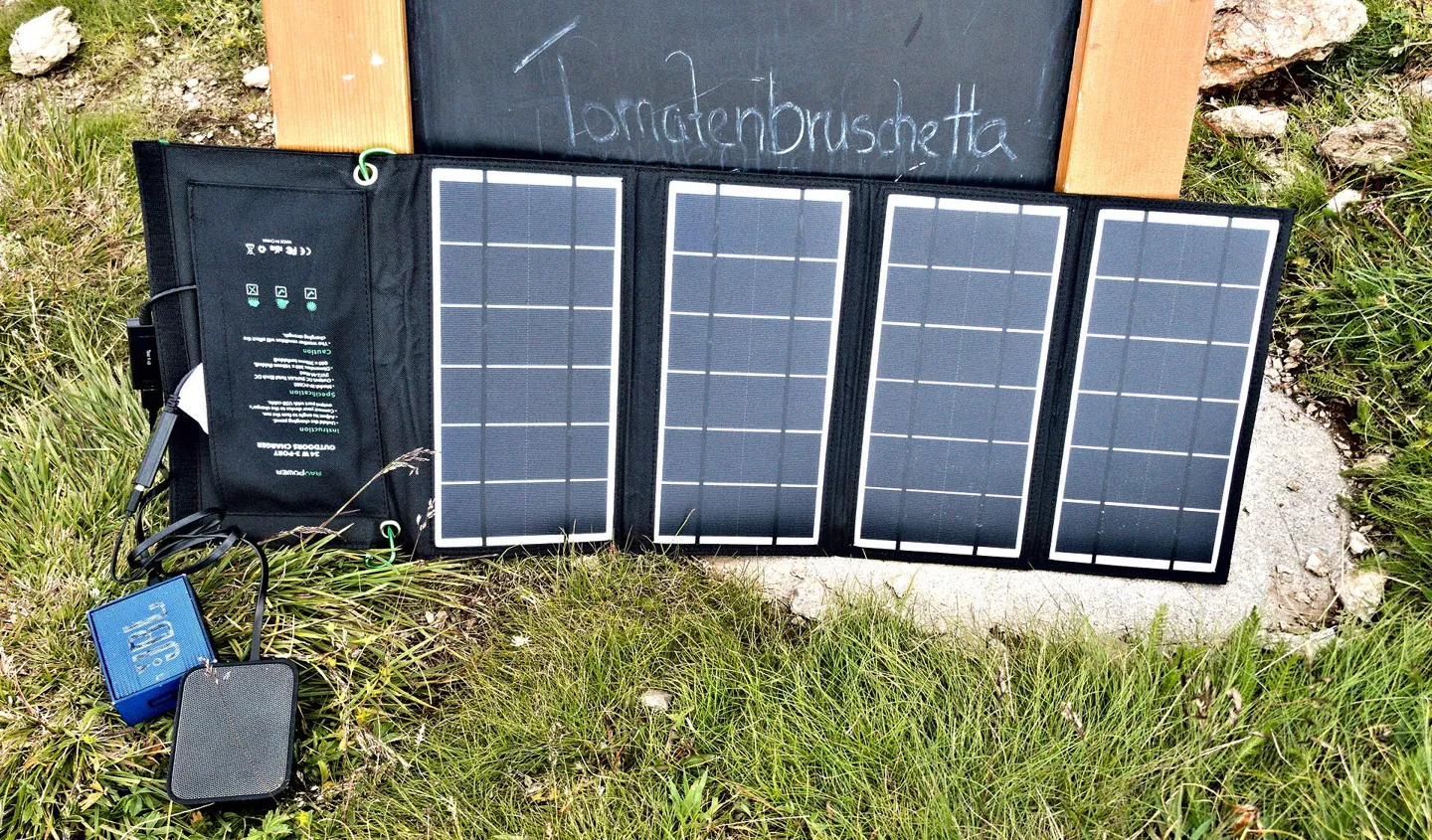
A folding solar panel may be easy to store behind a cupboard, but the electricity it produces depends on where and when you can unfold it. A south-facing garden in clear weather is a different proposition from a shaded balcony on a December afternoon.
For household preparation, the useful question is how much energy the panel can contribute to your essential loads during the conditions you actually face. Its advertised wattage alone cannot answer that. This guide explains a cautious planning method without promising a daily winter yield.

Full image attribution
Overcast sky over Drumry - geograph.org.uk - 759139.jpg — Stephen Sweeney; CC BY-SA 2.0. Resized and converted to WebP; source: https://commons.wikimedia.org/wiki/File:Overcast_sky_over_Drumry_-_geograph.org.uk_-_759139.jpg
What changes in a British winter
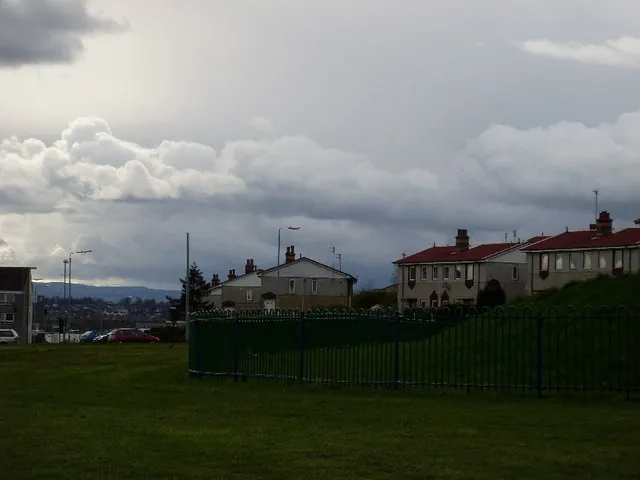
Energy Saving Trust explains that solar panels work in winter but generate less because days are shorter, cloud is more likely and sunlight is less intense. A portable panel follows the same daylight principle, though its position and setup may differ substantially from a fixed roof array.
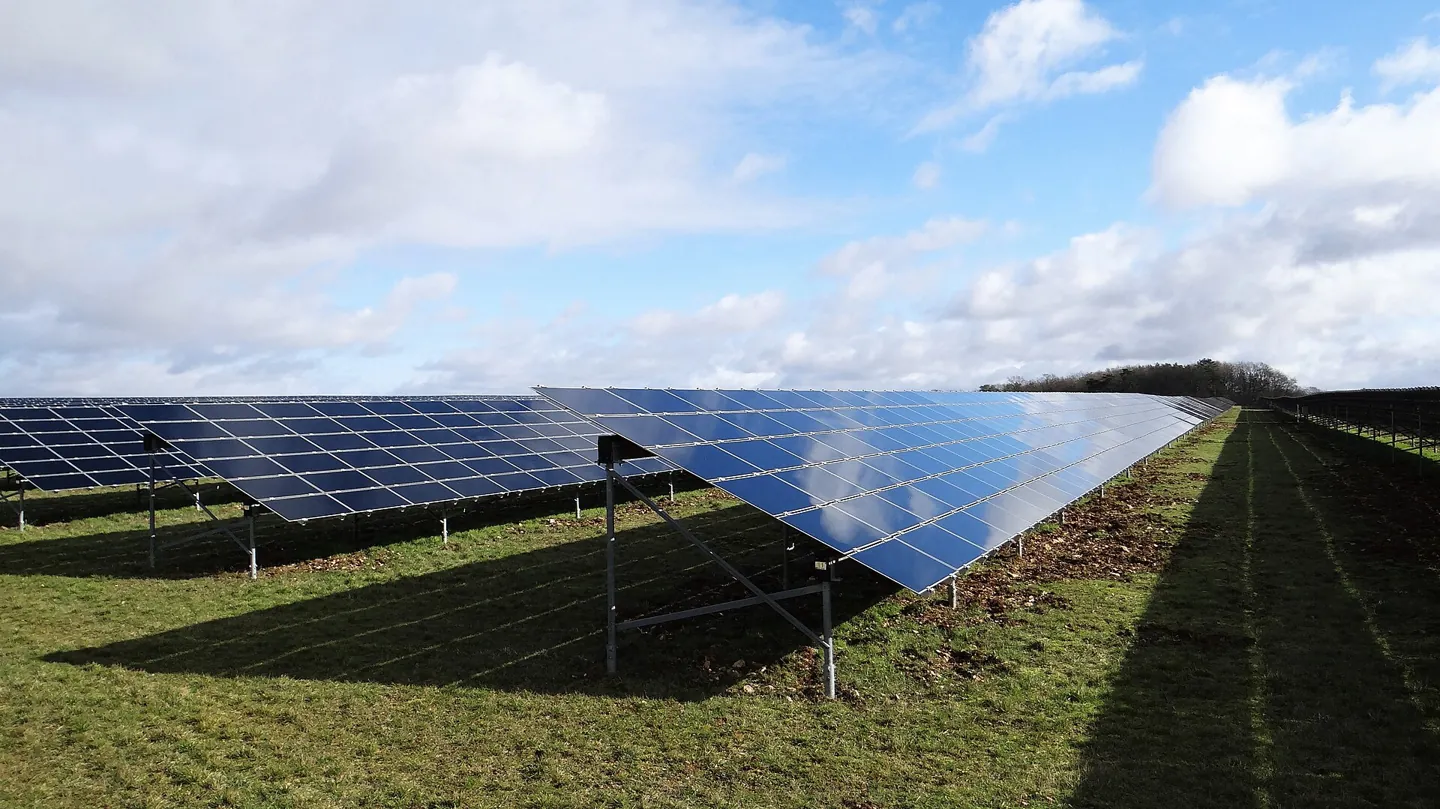
Low sun can make a fence, neighbouring building or bare tree cast shade across a location that worked well in summer. Check the position during the hours you would actually deploy the panel. A photograph taken in June is poor evidence for a winter emergency plan.
Weather can also make deployment unsafe. Wind, ice, heavy rain or a flooded garden may prevent you putting the panel out at all. Count those as possible zero-generation periods in the plan, rather than assuming the panel will always be available when daylight exists.
Cold weather does not automatically mean the solar panel itself cannot produce electricity. However, the connected battery may have a separate minimum charging temperature. Read the instructions for both products and do not confuse panel operation with permission to charge a cold battery.
Separate power from energy
Watts describe power at a moment. Watt-hours describe energy over time. If a device draws 10 watts continuously for four hours, the simple load calculation is 40 watt-hours. That arithmetic does not yet include conversion losses or energy used by the backup equipment itself.
A panel labelled 100 watts is not a promise of 100 watt-hours every hour it is outside. The rating describes performance under specified test conditions. Cloud, orientation, shade, temperature and the receiving device's limits can all affect the power you see.
For planning, write each intended load, its realistic power draw and the hours you need it. Use the manufacturer's information or an appropriate safe measurement for the actual device. Do not use a phone charger's maximum output as though it were the phone's constant consumption.
| Assumed load | Assumed use | Load energy before losses |
|---|---|---|
| 5-watt light | 4 hours | 20 watt-hours |
| 10-watt communications device | 6 hours | 60 watt-hours |
| 20-watt device | 2 hours | 40 watt-hours |
| Total of these assumed loads | As above | 120 watt-hours |
The example deliberately uses invented loads to demonstrate multiplication. It is not a test of a router, lamp or battery. Replace each number with information for your equipment, then allow for the system's documented losses and reserve requirements.
Decide which loads deserve scarce energy
Write an essential list and a deferrable list. Keeping a route to help and useful lighting may matter more than entertainment or charging every device to full. Agree priorities before an outage so household members do not discover a conflict when the battery is nearly empty.
Heating and cooking can demand much more energy than modest lighting or communications. Read the guide to power stations and heating before expecting a small portable panel to support those loads. A working connector does not make the energy budget plausible.
Medical requirements must come from the clinical team and equipment supplier. Do not assign a medically essential device an arbitrary reduced schedule to fit available sunshine. Use the medical power-cut plan to establish an approved backup or alternative location.
Record what you will do after a poor generation day. That may mean conserving non-essential loads or using an agreed charging location when travel is safe. A forecast of brighter weather tomorrow is not usable stored energy tonight.
Survey the place where the panel will stand
Energy Saving Trust identifies orientation and shading as important influences on solar generation. For portable use, inspect a safe ground-level position where the panel can face available sunlight without creating a trip hazard or obstructing access.
Watch how shade moves over several ordinary winter hours if you can. Note buildings, fences, trees and objects that cover part of the panel. Even a position that receives direct sun at noon may provide little useful access earlier or later.
Do not climb onto a roof, lean out of a window or hang a folding panel from a balcony to chase better output. A portable product's stand and wind limits matter. Follow the manufacturer's positioning instructions and bring it in before conditions exceed them.
Ask permission before using shared grounds, rented external space or a communal balcony. Keep escape routes, fire doors and public footpaths clear. A site that works electrically can still be unsuitable for the people using the building.

Full image attribution
Solar panel shadow in Burgundy, France.jpg — Ibex73; CC BY-SA 4.0. Resized and converted to WebP; source: https://commons.wikimedia.org/wiki/File:Solar_panel_shadow_in_Burgundy,_France.jpg
Check the whole connection before purchase
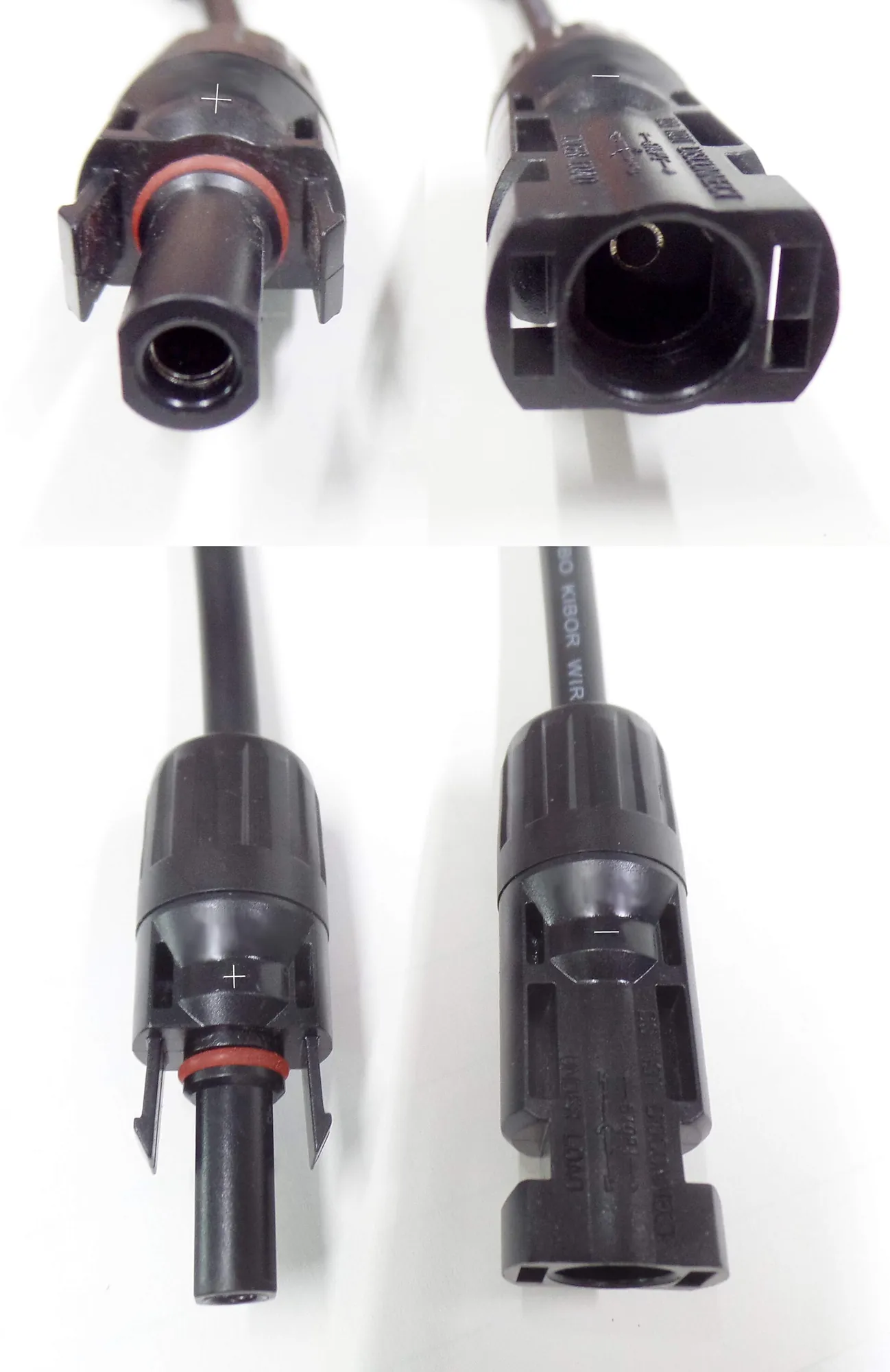
Confirm the exact panel and receiving battery models with the manufacturer or a competent supplier. You need compatible voltage, current, input limits, connector and polarity. Do not buy an adaptor solely because the plug looks close to the right size.
Jackery Europe's Explorer 1000 V2 specifications, for example, list solar-input limits separately from charging and operating temperatures. That illustrates why a limit for one power station cannot be copied to another, even within the same brand. Obtain the current manual for the version sold to you.
Ask whether the panel's open-circuit voltage remains within the receiving device's permitted range under expected conditions. Victron's technical guidance explains that open-circuit voltage can rise in cold conditions, so a comparison based only on a marketing wattage is incomplete. If the documentation is unclear, get written compatibility confirmation rather than experimenting.
Do not connect panels in series or parallel unless the manufacturer explicitly approves the exact arrangement and components. Combining panels changes the electrical conditions. This guide gives no wiring instructions for building arrays or adapting connectors.
Use approved cables of suitable length. Excess length, poor connections and unsuitable adaptors can reduce performance or create faults. Keep connectors clean and dry as required, and never force a mismatched fitting.
Keep the battery and connections within their limits
A panel marketed for outdoor use may have different protection from its junction box, USB ports, cable connections or connected power station. Read what the stated rating actually covers. Do not assume the entire setup can remain in rain because one component has a weather-resistance label.
Keep the receiving battery in the location its manual permits, with ventilation and temperature conditions met. Do not wrap a power station in plastic while charging to keep it dry. Avoid trapping cables in windows or doors, particularly a fire door.
Scottish Fire and Rescue Service recommends following manufacturer storage instructions and avoiding temperature extremes. Use the battery safety guide for damage checks and safe charging arrangements.
If the setup cannot keep the battery, connections and walking routes safe, pack it away. Losing a day's top-up is preferable to introducing a damaged cable or unsafe battery into the household plan.
Measure a useful day without treating it as a guarantee
In safe ordinary conditions, record the panel position, weather, deployment times and energy received if the equipment provides that information. Note interruptions and the battery's starting and ending state. Avoid claiming a precise yield from a percentage display unless the manufacturer explains how to interpret it.
A single instantaneous input reading can be misleading. An attractive number during a brief sunny interval does not establish how much energy arrived across the day. Use accumulated watt-hours where available and distinguish them from the panel's nameplate rating.
Try more than one type of day if practical, including overcast conditions. These observations help you understand the system at your address; they are not a forecast for the next storm. Keep a separate plan for conditions when deployment is impossible.
Do not run the battery flat merely to produce a neat test result, especially when it supports essential communication. Follow the manufacturer's testing and maintenance instructions and stop if anything becomes unusually hot, damaged or unstable.

Full image attribution
MC4 Connector Front and Top View.jpg — Orion Lawlor; CC0. Resized and converted to WebP; source: https://commons.wikimedia.org/wiki/File:MC4_Connector_Front_and_Top_View.jpg
Keep stored energy as the starting point
Before a forecast outage, charge appropriate backup equipment from the normal supply within its instructions. Solar can then extend some uses if conditions allow. Waiting for a winter outage before starting with an empty battery makes the plan depend on that day's weather.
Remember that portable solar and roof-mounted solar are different systems. A standard grid-connected roof installation may shut down during an outage unless specifically designed with backup capability. Ask the installer what your own system supports; do not attempt to feed a portable panel into household wiring.
For communications, read the Digital Voice guide. Powering a router is only part of maintaining a telephone connection. For the whole household, use the power-cut plan to connect energy decisions with food, warmth and assistance.
Avoid the common winter assumptions
Do not multiply the panel rating by every hour between sunrise and sunset and call that a daily forecast. Do not use a summer camping result as the winter minimum. Do not assume a larger panel fixes shade, unsafe siting or a receiving device's input limit.
A panel behind glass may perform differently from one outdoors. EcoFlow's portable-panel manual identifies shade and placement behind a window as reasons for reduced output. Treat any window setup as something to assess with the actual product and instructions, not a promised substitute for outdoor access. Keep the panel and battery away from excessive heat and avoid blocking an exit.
Winter solar planning checklist
- List essential loads and calculate their energy use in watt-hours.
- Allow for system losses and days with little or no generation.
- Inspect a safe winter position and moving shade.
- Confirm exact panel, cable and battery compatibility in writing.
- Check charging temperatures and weather limits for every component.
- Record real observations without treating one day as a guarantee.
- Keep stored energy ready before forecast disruption.
- Agree the action to take when solar cannot meet the next day's needs.
Sources
Sources checked on 2 November 2026. Worked examples and household worksheets are illustrative planning aids.
- Energy Saving Trust: Solar power fact check. Verified 2 November 2026.
- Energy Saving Trust: Solar panels. Verified 2 November 2026.
- Jackery Europe: Explorer 1000 V2 basic information. Verified 2 November 2026.
- Scottish Fire and Rescue Service: Lithium-ion batteries. Verified 2 November 2026.
- Victron Energy: BlueSolar MPPT troubleshooting, PV voltage limits. Verified 2 November 2026.
- EcoFlow: portable solar panel user manual. Verified 2 November 2026.