

On this page
- Look at behaviour and breathing as well as temperature
- Start cooling someone with heat exhaustion
- Call first and keep cooling while help comes
- Use the time check correctly
- Make cooling and communication accessible at home
- Check the practical route to help
- Buy ordinary supports, not a promise of treatment
- Readiness checklist
- Practise the decisions without creating heat stress
- Record advice and change the next outing
- Sources
Heatstroke is a medical emergency. If someone in hot conditions becomes confused, has a seizure, collapses or shows other serious heatstroke signs, call 999 or 112 immediately and start cooling them safely. Do not wait 30 minutes to see what happens. The NHS heat illness guidance uses the 30-minute check for someone being treated for heat exhaustion, not as a delay before responding to heatstroke.
This guide is about recognising illness and helping while arranging care. The separate heatwave preparation guide covers keeping rooms cooler, changing routines and planning ahead. Once someone is unwell, focus on that person rather than finishing the household heatwave checklist.

Full image attribution
Metal water bottle.jpg — Srini297; CC BY-SA 4.0. Resized and converted to WebP; source: https://commons.wikimedia.org/wiki/File:Metal_water_bottle.jpg
Look at behaviour and breathing as well as temperature
Heat exhaustion can cause thirst, tiredness, headache, dizziness, nausea, cramps and heavy sweating. The skin may feel clammy. Heatstroke warning signs include confusion, lack of coordination, a very high temperature, fast breathing, seizures and unconsciousness. You do not need every sign or a thermometer reading to call for help.
Do not use sweating to rule out serious heat illness. CDC/NIOSH lists profuse sweating as a possible heatstroke sign. Describe the whole situation to the dispatcher, including unusual behaviour and the activity or environment. A person who cannot answer ordinary questions or is becoming less responsive needs urgent help, even if somebody says they "always look like that after exercise".
Observe without turning the response into a diagnosis competition. Hot weather can coincide with other serious illness. Chest pain, severe breathing difficulty, a seizure or collapse should not be explained away as merely being warm. Tell emergency services what you see and follow their priorities. Stop the activity immediately rather than asking the person to complete a journey or shift first.
Start cooling someone with heat exhaustion
Move them to a cool place and remove unnecessary outer clothing. Cool the skin with water and fanning. Offer water when they are fully alert and able to swallow safely. St John Ambulance's heat-exhaustion advice supports moving to a cool place, replacing fluids and monitoring the response. Stay with the person so deterioration is noticed.
Note when cooling started. The NHS says they should begin to cool and feel better within 30 minutes. Call 999 if they remain unwell after that time despite rest, cooling and fluids, or immediately if heatstroke signs develop. Do not restart the clock each time you try another method or move to a different room.
If you are struggling to manage heat exhaustion or need advice, contact the appropriate urgent healthcare service promptly. England uses NHS 111, Scotland NHS 24 on 111, and Wales NHS 111 Wales. Northern Ireland uses the GP or local GP out-of-hours service. Those routes are for advice; heatstroke warning signs require an emergency call.
Call first and keep cooling while help comes
For suspected heatstroke, call 999 or 112 and move the person to a cooler place if safe. Use cool water, fanning or a cool wet sheet while awaiting help. Do not leave them alone. St John Ambulance emphasises prompt cooling and an emergency call. Follow the dispatcher about positioning and any change in responsiveness.
Do not give anything by mouth to a person who is confused, drowsy, having a seizure or unresponsive. If they become unresponsive, tell the dispatcher immediately. If they are not breathing normally, follow instructions to start CPR. Do not make searching for a particular drink, cooling gadget or thermometer a condition of beginning help.
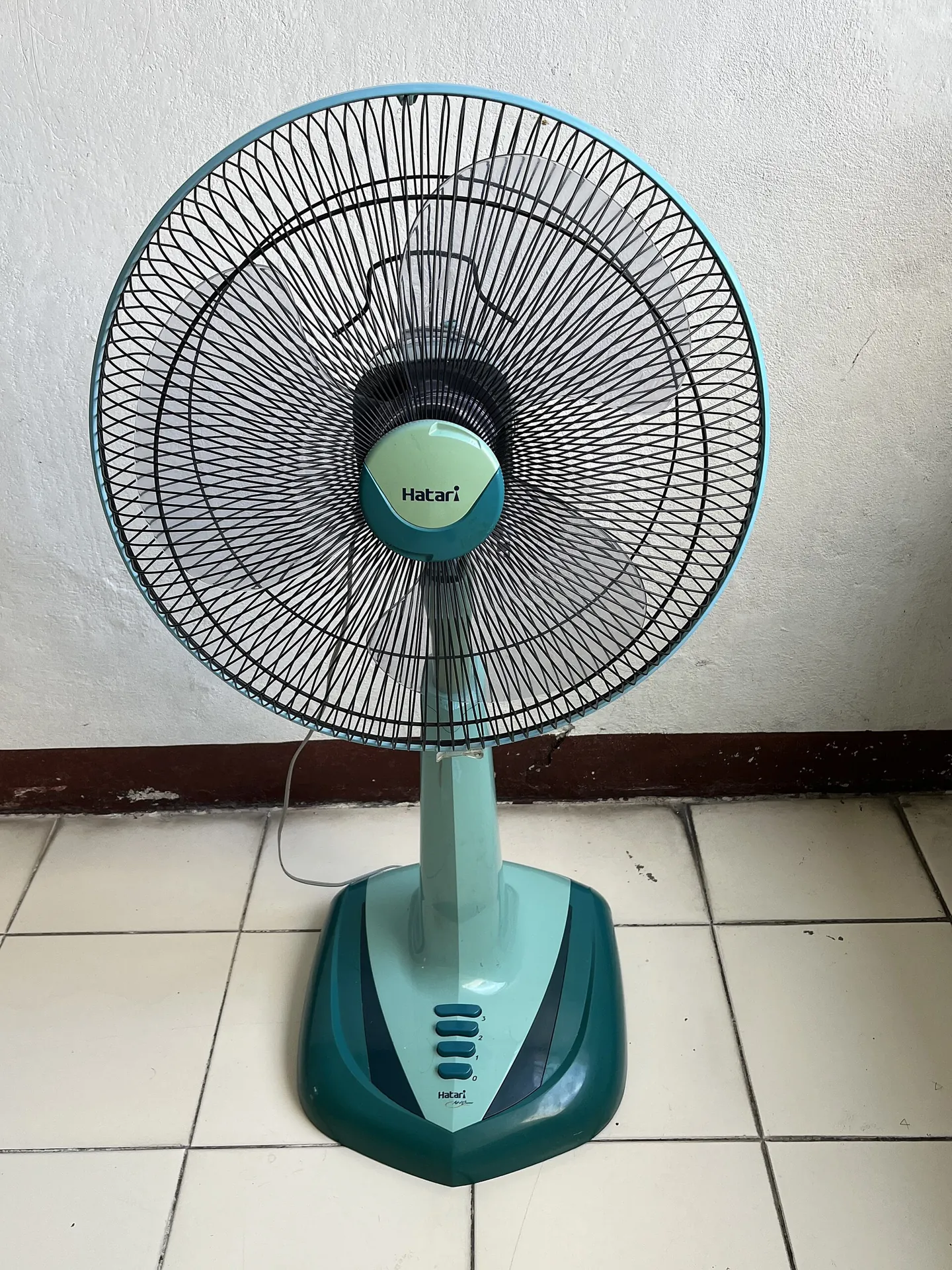
Keep cooling practical and safe. Do not move an unsteady person to a bath where they could fall or become submerged. If the person cannot move safely, explain that to the dispatcher and use the safe cooling options available where they are. A fan can support cooling, but a fan alone is not proof that heatstroke has been treated.

Full image attribution
Hatari 18 inch fan.jpg — Peachyo; CC BY-SA 4.0. Resized and converted to WebP; source: https://commons.wikimedia.org/wiki/File:Hatari_18_inch_fan.jpg
Use the time check correctly
The time check is easy to remember badly. It does not mean a person must be observed for half an hour before anyone is allowed to call. It means someone thought to have heat exhaustion should improve with active cooling and fluids, while being watched. Serious symptoms at any point change the response immediately.
For example, an alert adult who becomes dizzy after gardening can stop, move into a cool room and receive help cooling while someone stays with them. If they become confused during that period, call 999 then. Do not wait for the remaining minutes. If they remain unwell at 30 minutes despite appropriate cooling, that also meets the NHS emergency threshold.
A second example is a child who becomes very hot and behaves unusually during an outing. Do not assume they need discipline, a nap or a longer walk to the car. Stop and assess the situation, get help for concerning symptoms and describe the child's age and response. Children may not describe thirst or dizziness in the language adults expect.
Make cooling and communication accessible at home
Before hot weather, identify a cooler room and a route to it that the person can use. A downstairs room is no help if it can only be reached by stairs the person cannot manage. Keep drinking water within reach where appropriate, and agree who can assist with moving, opening safe ventilation or contacting healthcare services.
Consider communication needs. A relative may be unable to explain that they feel unwell, or may not recognise changes in their own condition. Agree check-ins that include an actual conversation or suitable in-person support. A text message marked delivered does not tell you whether someone is alert and coping.
Ask clinicians about individual plans for people with fluid restrictions, relevant long-term conditions or medicines affected by heat. Do not instruct everyone to drink a fixed large volume or change medicine doses yourself. The prescription continuity guide covers recording professional advice and keeping the right contacts available.
Check the practical route to help
For a day out, identify shade, drinking-water access and a realistic way to leave early. A parked car in sunshine is not a cooling shelter. Do not leave children or dependent adults in a vehicle while somebody fetches supplies. Plan outings around the least heat-tolerant person's needs rather than the most energetic member of the group.
Carry enough ordinary information to explain the location. A park can have several gates; an event may have a designated first-aid point. Ask event staff for help, but do not let looking for them delay a 999 call for serious symptoms. Tell the dispatcher whether an ambulance can reach the casualty directly or needs a specific entrance.
If you work or volunteer outdoors, know the organisation's arrangements for breaks and assistance. Report that someone is unwell clearly rather than asking vaguely whether they may stop. A person should not need to finish clearing equipment or wait for a replacement before getting urgent help.
Buy ordinary supports, not a promise of treatment
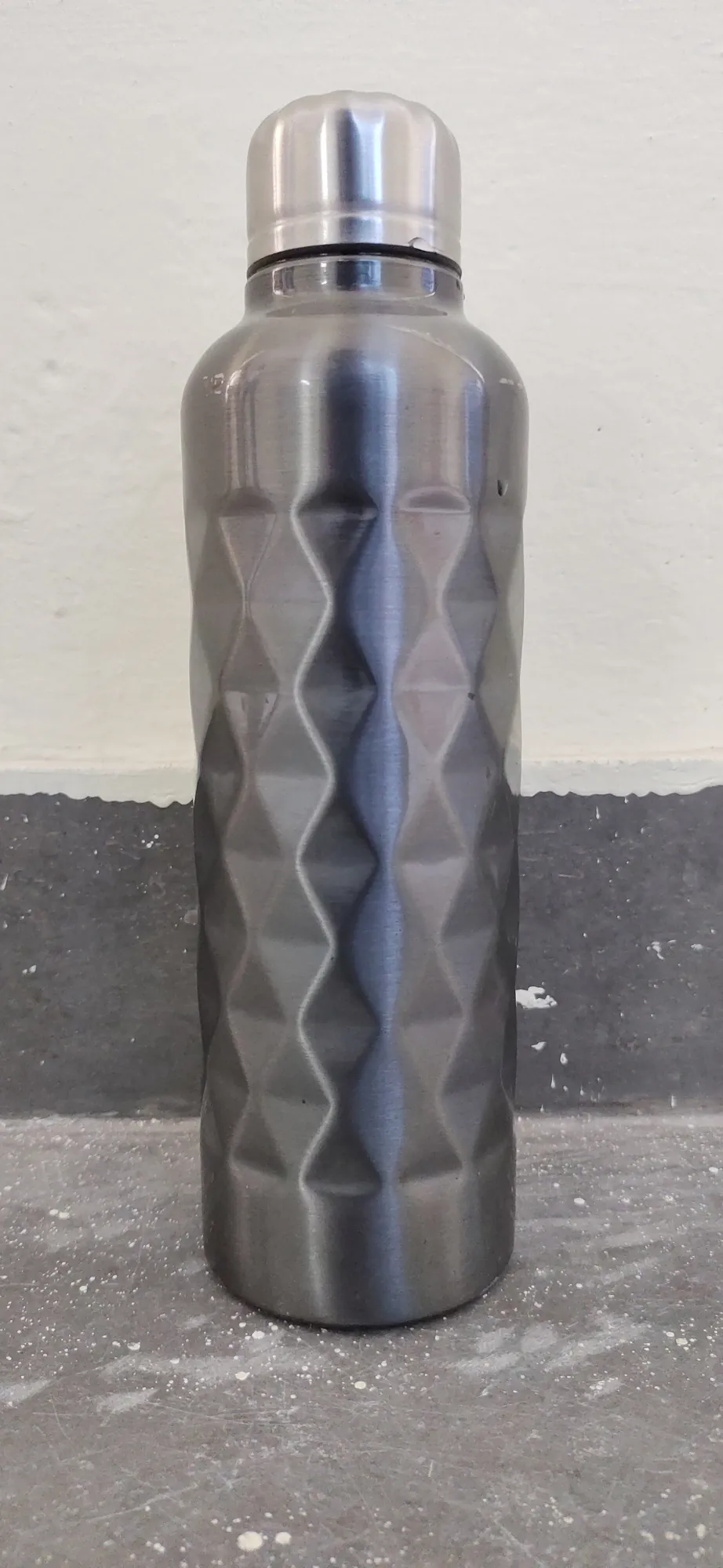
A refillable bottle, a suitable sun hat and a fan may support preparation. They do not diagnose or cure heatstroke. Keep product claims separate from medical guidance. Do not leave an ill person to shop for an electrolyte drink, and do not assume a particular powder is suitable for every child or person with a medical condition.
Check that equipment is usable by the person intended to use it. A bottle lid may be too stiff for someone with limited hand strength. A fan placed across a walking route can introduce a trip hazard. A battery fan still needs charged or spare batteries. Resolve those ordinary problems before the weather becomes hot, then keep the emergency response focused on cooling and calling.


Full image attribution
Straw hat.jpg — Green (attributed by Commons); CC BY-SA 3.0. Resized and converted to WebP; source: https://commons.wikimedia.org/wiki/File:Straw_hat.jpg
Readiness checklist
- Know the signs that mean call 999 or 112 immediately, especially confusion, seizure or collapse.
- Identify an accessible cool place at home and on regular outings.
- Keep safe drinking water and simple cooling materials within reach.
- Agree who checks people who cannot easily recognise illness or ask for help.
- Keep individual clinical advice for fluid restrictions and medicines accessible.
- Know the address, venue entrance or outdoor location needed for an emergency call.
- Remember that remaining unwell after 30 minutes of active cooling is an emergency threshold, not a required waiting period.
Practise the decisions without creating heat stress
Discuss a fictional scenario while everyone is comfortable. Ask which signs would trigger a call, who would stay with the person and where cooling would happen. Do not leave anyone in a hot room or ask them to exercise until symptoms appear. Practising an emergency call means saying the information aloud without dialling emergency services.
Use a practical first-aid course to learn about an unresponsive person and safe positioning. Keep the cold-weather hypothermia response separate from heat illness. Similar words such as tiredness or confusion occur in different emergencies, so context and professional help matter more than a memorised symptom label.
Record advice and change the next outing
Follow the healthcare professional's advice about recovery and returning to activity. Do not resume strenuous work just because someone briefly feels cooler. Record what treatment or assessment was given and any follow-up needed. Put relevant care information with the emergency document pack, with the person's consent.
Review the practical cause of delay. Was shade too far away, was water inaccessible, or did everyone assume someone else was checking on a relative? Change that arrangement. Add supplies to the kit review, but keep checking vulnerable people and adapting daily routines throughout hot weather rather than waiting for a calendar reminder.
Sources
- NHS: Heat exhaustion and heatstroke. Checked 2 November 2026.
- St John Ambulance: Heat exhaustion. Checked 2 November 2026.
- St John Ambulance: Heatstroke. Checked 2 November 2026.
- nidirect: GP out of hours service. Checked 2 November 2026.
- St John Ambulance: How to do CPR. Checked 2 November 2026.
- NHS: When to use NHS 111 online or call 111. Checked 2 November 2026.
- CDC/NIOSH: Heat-related illnesses. Checked 2 November 2026.