Severe bleeding: recognise an emergency and get help
Recognise severe bleeding, call 999 or 112, use direct pressure safely and prepare your household to help without delaying treatment.
The UK reference library
Learn to recognise urgent bleeding, burns, hypothermia and heat illness, and prepare a practical prescription medicines plan.
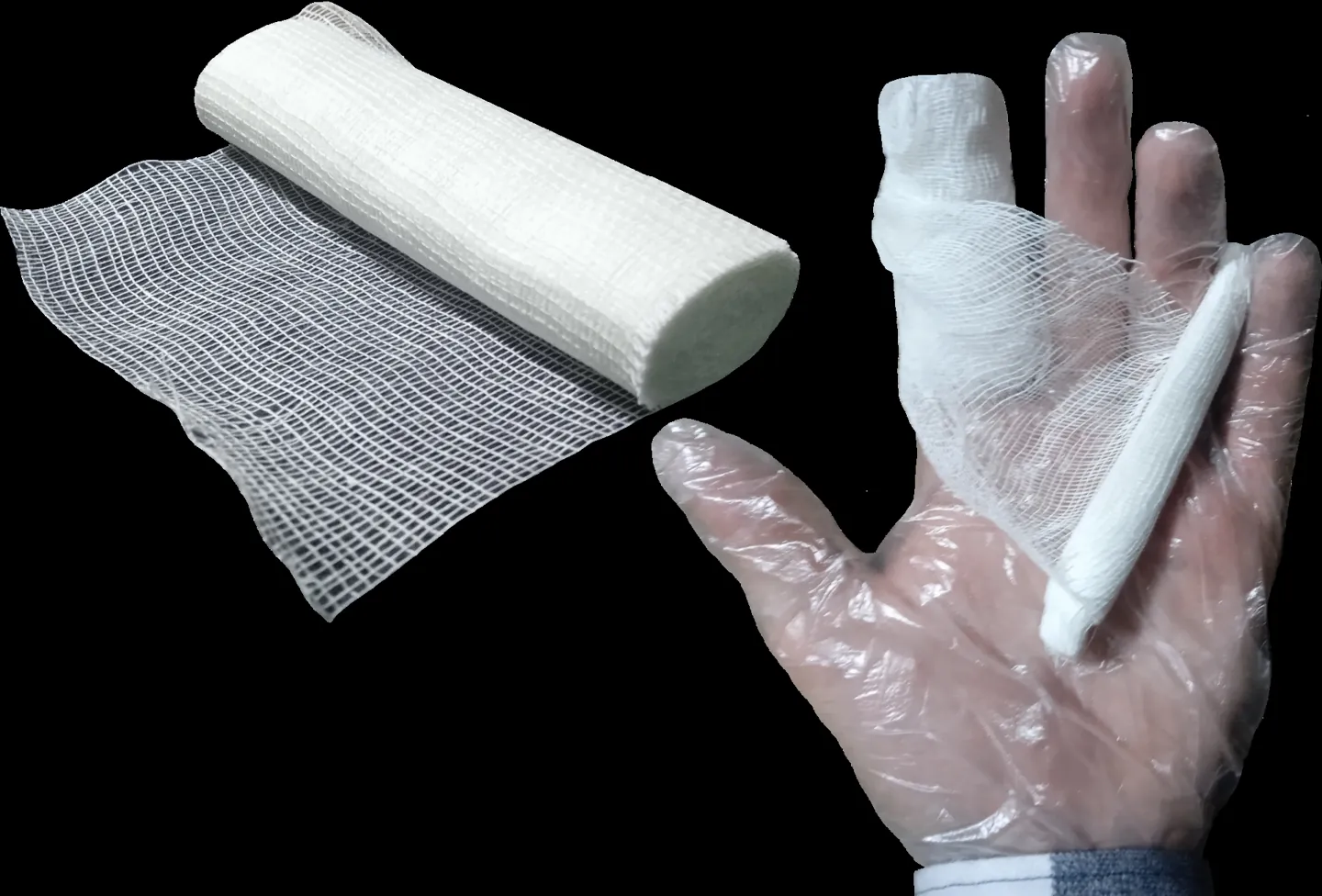
Gauze bandage.png — im_tau; CC BY 4.0. Resized and converted to WebP; source: https://commons.wikimedia.org/wiki/File:Gauze_bandage.png
Clear first actions matter, but a written guide cannot assess a casualty or replace practical training. These articles draw on named UK health and first-aid sources, distinguish urgent warning signs from routine planning and explain when to get professional help. For a life-threatening emergency call 999 or 112. Read the medicines guide while there is time to speak to your pharmacist or usual care team about individual requirements.
Recognise severe bleeding, call 999 or 112, use direct pressure safely and prepare your household to help without delaying treatment.
Cool burns promptly, know when emergency care is needed, and prepare for kitchen, child, chemical and electrical injuries safely.
Recognise possible hypothermia at home or outdoors, call for help, provide shelter and avoid dangerous improvised warming.
Recognise heat illness, start cooling, understand the 30-minute limit and call 999 immediately for heatstroke warning signs.
Plan repeat prescriptions, pharmacy contacts, storage and urgent supply routes across the UK without stockpiling or changing treatment.