
On this page
- Look for changes in the person
- Reduce further heat loss safely
- Explain where help needs to come
- Cold homes need a person-focused plan
- Plan for stopping, not only for walking
- Make dry supplies practical to use
- Do not confuse a cold injury with a warming project
- Preparation checklist for home and outings
- Practise recognition without exposing anyone to cold
- Review what made help difficult
- Sources
Hypothermia is a dangerous fall in body temperature below 35°C. It can happen outdoors or in a cold home. If you suspect it, call 999 or 112 for emergency help and follow the dispatcher. Do not wait to find a thermometer or try several warming methods first. The NHS treats suspected hypothermia as a medical emergency needing hospital care.
This guide explains recognition, safe first support and household preparation. It does not teach rescue from water or advanced rewarming. If someone is in water, on dangerous terrain or near another hazard, do not put yourself in danger to reach them. Call emergency services and describe both the person and the surroundings.


Full image attribution
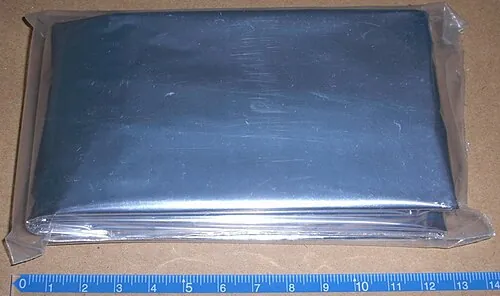
Emergency blanket 20110709.jpg — Tobosha; Public domain. Resized and converted to WebP; source: https://commons.wikimedia.org/wiki/File:Emergency_blanket_20110709.jpg
Look for changes in the person
Possible signs include shivering, cold pale skin, slurred speech, slow breathing, unusual tiredness and confusion. A baby may feel cold, become floppy, unusually quiet or sleepy, and refuse feeds. Skin-colour changes can be harder to recognise on darker skin. Do not wait for every sign to appear before asking for help.
Use what you know about the person without trying to diagnose them. An adult who is normally decisive but now cannot answer a simple question, or a walker who becomes unusually slow and muddled, needs attention. Explain the change to the dispatcher. Do not dismiss it as age, stubbornness, poor fitness or an inconvenient delay to the day's plans.
Shivering alone does not tell you how serious the whole situation is. A person who appears quieter or stops complaining is not necessarily recovering. Look at their responsiveness and breathing and report changes. A normal-looking reading from an ordinary household thermometer should not overrule concerning symptoms or delay calling.
Reduce further heat loss safely
Get the person indoors or into shelter if you can do so safely, handling them gently. Replace wet clothing with dry layers and wrap them in a blanket, dry towel or sleeping bag, covering the head while keeping the face clear. Protect them from the cold ground. Resuscitation Council UK also advises gentle wet-clothing removal and insulation from the ground. St John Ambulance describes shelter and insulation for outdoor hypothermia.
Stay with them and speak calmly while help is coming. A warm non-alcoholic drink and some sugary food are only appropriate when the person is fully awake and can swallow safely. Give nothing by mouth to someone drowsy, confused or unresponsive. Follow the call handler's advice if you are uncertain. Do not make obtaining a drink more urgent than shelter or the emergency call.
Do not use a hot bath, hot-water bottle, heat lamp or other direct heat to rewarm someone with suspected hypothermia. Do not rub their limbs or give alcohol. These are explicit limits in NHS guidance. A heater, hot shower or vigorous exercise session is not an improvised substitute for medical assessment.
Explain where help needs to come
At home, give the full address, flat number, floor and access arrangements. Tell the dispatcher if the person is alone, cannot walk safely or has an established care need. Ask another adult to meet responders only if someone remains with the person. Do not interrupt support to search for every medical document.
Outdoors, give the best location information available: a map reference, named path, nearby landmark or reliable phone location. Explain if you are on a hill, at a shoreline or beside water, and follow instructions about which rescue service is needed. Do not promise that a particular location app will work without signal or identify you perfectly. Tell the operator about any uncertainty.
If the person becomes unresponsive, immediately tell the dispatcher. If they are not breathing normally, follow instructions to start CPR. A first-aid course can teach recognition and the appropriate response; do not rely on this article as a resuscitation lesson. Keep the call open and report changes rather than assuming the person has simply fallen asleep.

Full image attribution
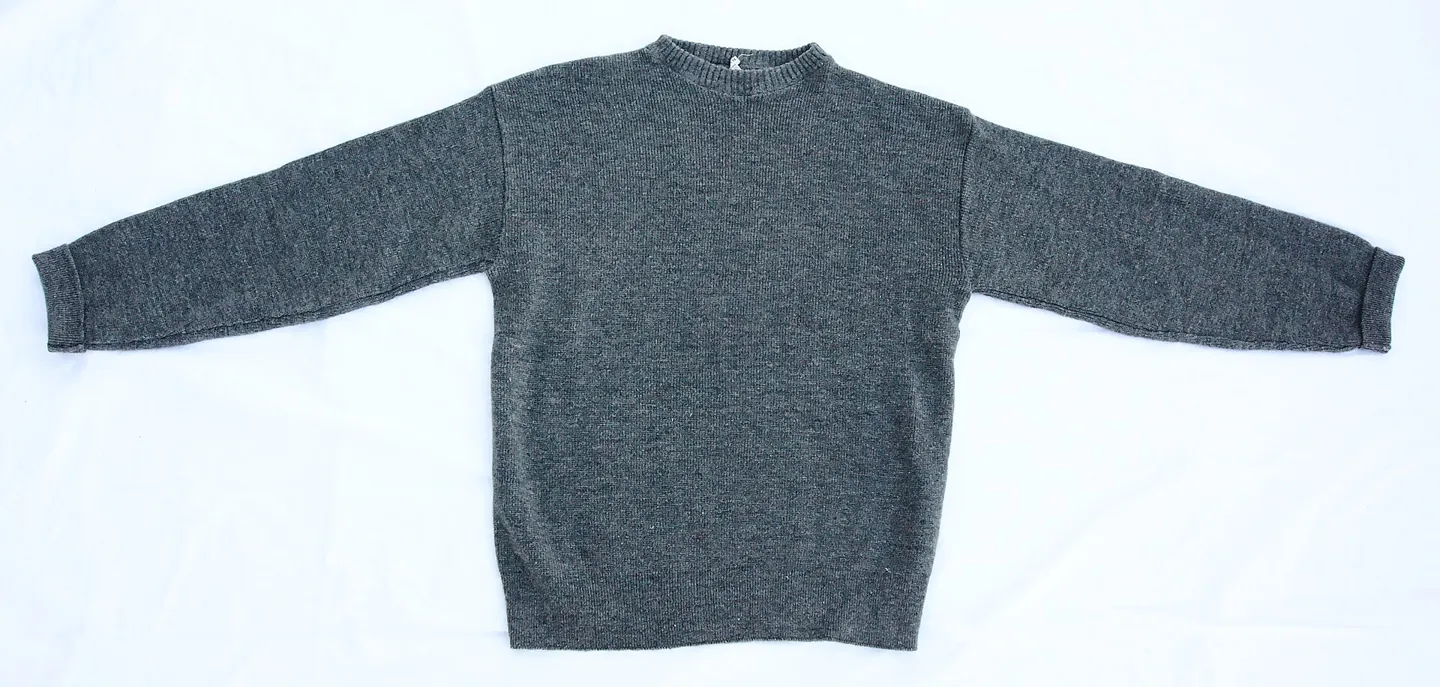
Swiss Army Wool Sweater (15695462777).jpg — Andrew Toskin; CC BY 2.0. Resized and converted to WebP; source: https://commons.wikimedia.org/wiki/File:Swiss_Army_Wool_Sweater_(15695462777).jpg
Cold homes need a person-focused plan
A household heating problem can become a medical emergency. Keep the two tasks separate: getting a boiler repaired and checking how someone is coping. An older relative living alone may have no one there to notice confusion, wet clothes after a fall or an unusually cold room. Agree a way to check in and a response if contact fails.
The keeping warm without heating guide covers ordinary preparation before illness develops. Once hypothermia is suspected, do not treat extra blankets as proof that it is safe to wait until morning. Call for medical help. Do not bring a barbecue, camping stove or outdoor heater inside to warm the room.
Make support arrangements specific. Who has agreed to call? At what point will a missed check-in trigger another action? Who can help with an accessible warm place if the heating cannot be restored? A relative living several hours away may coordinate contact but cannot provide immediate physical assistance. Record that limit instead of writing "family nearby" when it is not true.
Plan for stopping, not only for walking
Clothing that feels adequate while moving may be insufficient during an unexpected wait. Before a trip, consider what happens if someone cannot continue, transport fails or weather worsens. Carry dry insulation suited to the conditions and protect it from rain. A small foil blanket can support shelter but does not make an unsuitable route or clothing choice safe.
Know where you could shorten the outing and how you would explain your location. Keep the group together enough to notice a person slowing or becoming confused. Do not make a cold, unwell person prove they can finish the planned distance. Arrange the walk around the group's abilities and the actual forecast, with an easier option available.
Save emergency contact and location information before leaving. Keep phones protected and adequately charged, but assume batteries and reception can fail. Your car emergency kit can support a safe wait after travel disruption; it is not a reason to remain in a dangerous roadside position or attempt an exposed walk in unsuitable conditions.
Make dry supplies practical to use
Choose a storage method that keeps spare layers dry in the situations you expect. Check whether the bag you call waterproof actually has suitable closures and manufacturer claims. Put frequently needed items where they can be reached without unpacking everything into rain. A dry layer buried under soaked gear may be difficult to use when hands are cold.
At home, keep blankets and suitable spare clothing accessible to the people likely to fetch them. Consider a visitor or support worker who does not know the cupboards. Avoid storing all useful coverings in a loft reached by a ladder. If someone has sensory or mobility needs, discuss familiar fabrics, easy fastenings and assistance beforehand.
Do not buy equipment with a promise that it treats hypothermia independently. Dry blankets, a suitable sleeping bag and a protected spare layer help reduce further heat loss while medical help is obtained. Product choice cannot establish whether the person is medically stable or ready to resume an outing.

Full image attribution
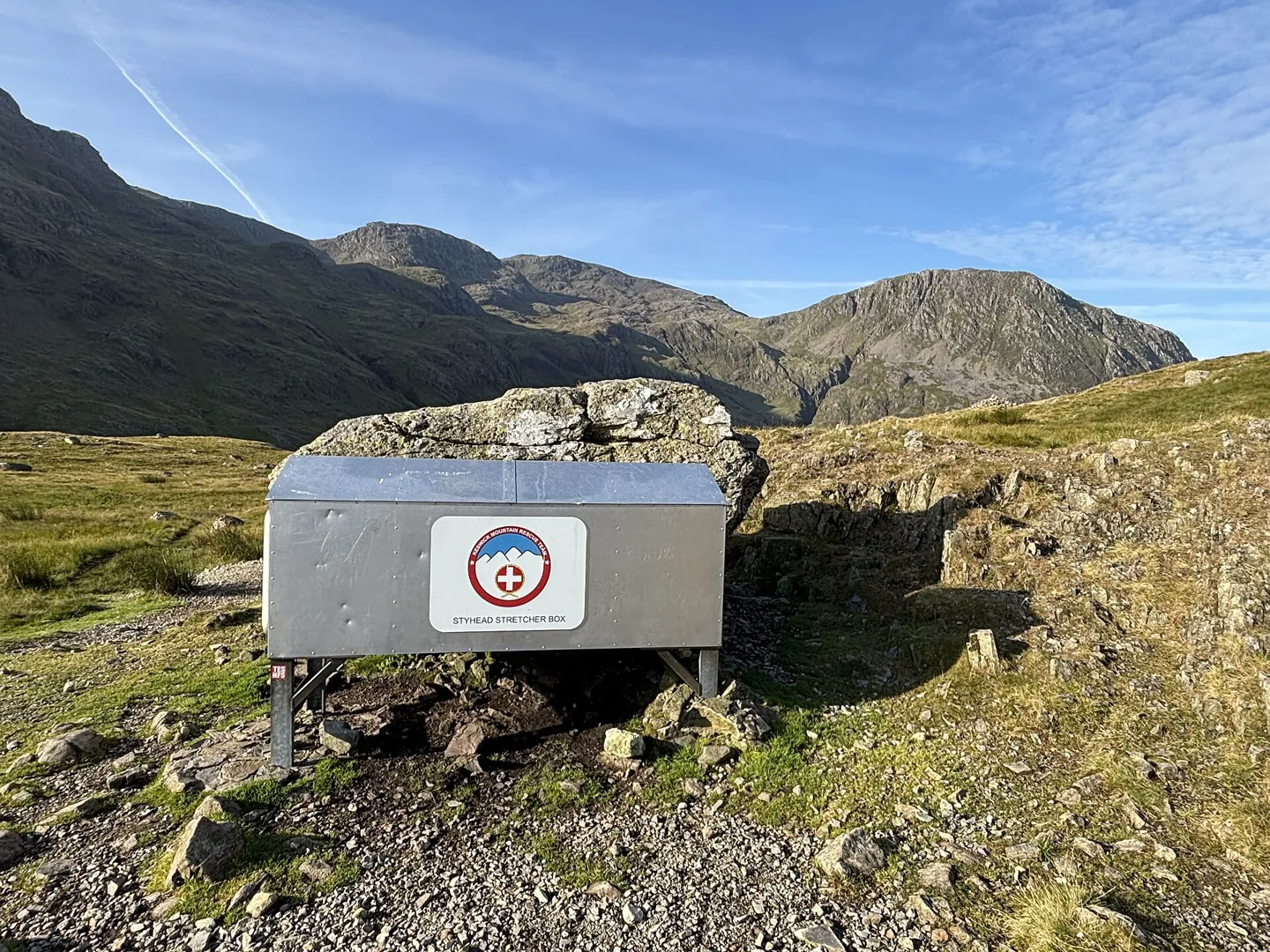
The Mountain Rescue Stretcher Box at Sty Head - geograph.org.uk - 8376113.jpg — Iain Lees; CC BY-SA 2.0. Resized and converted to WebP; source: https://commons.wikimedia.org/wiki/File:The_Mountain_Rescue_Stretcher_Box_at_Sty_Head_-_geograph.org.uk_-_8376113.jpg
Do not confuse a cold injury with a warming project
Frostbite involves freezing injury to skin and is distinct from the whole-body problem of hypothermia, though both can occur together. The NHS frostbite guidance advises medical help for suspected frostbite. Tell the dispatcher about numb, damaged-looking skin as well as the person's general condition. Do not rub affected areas or experiment with direct heat.
Keep the priorities clear when more than one injury is present. A fall may have caused bleeding or a suspected fracture as well as exposure to cold. Give the dispatcher the full picture and follow their instructions about movement. Do not make an injured person walk to warm up. For another relevant first-aid topic, read the severe bleeding guide during preparation.
Preparation checklist for home and outings
- Know that confusion, slurred speech or unusual sleepiness in a cold person needs urgent attention.
- Keep the home address and outdoor location tools available without relying on memory.
- Agree a real check-in arrangement for someone vulnerable in a cold home.
- Keep useful dry coverings in an accessible location and protect spare clothing from rain.
- Learn the restrictions on direct heat, rubbing and alcohol.
- Choose practical first-aid learning that covers an unresponsive person and calling for help.
- Review the plan after changes in health, mobility, housing or regular outdoor activities.
Practise recognition without exposing anyone to cold
Use a discussion at home. Ask what you would do if a relative answered the phone sounding unusually muddled during a heating outage, or if a walker became slow and confused in rain. Identify the emergency call, the information needed and who could help without entering danger. Do not leave someone cold or wet to make a rehearsal realistic.
Choose a course through the first-aid learning guide and ask the trainer about your likely situations. Add dry-kit condition to the routine kit review. Keep the contrasting heat illness guidance clearly separate so a household does not confuse cooling and warming instructions.
Review what made help difficult
After professional care, follow the advice given about recovery and any further assessment. Replace wet or used supplies and check why the situation arose. Perhaps a heating fault went unreported, a check-in had no backup or a route took longer than expected. Record one concrete change. Do not assume a person who now feels warmer can immediately return to the conditions that made them ill.
Sources
- NHS: Hypothermia. Checked 2 November 2026.
- St John Ambulance: Hypothermia. Checked 2 November 2026.
- NHS: Frostbite. Checked 2 November 2026.
- St John Ambulance: How to do CPR. Checked 2 November 2026.
- Resuscitation Council UK: First Aid Guidelines 2025. Checked 2 November 2026.
- Defence Medical Command: Hypothermia. Checked 2 November 2026.