
On this page
- Treat substantial ongoing bleeding as urgent
- Keep the first response simple
- Give the location before a long explanation
- Support the person and pass on changes
- Keep basic supplies findable
- Make the arrangements work for your home
- Use a short discussion exercise
- Household readiness checklist
- Deal with the aftermath when urgent care is complete
- Sources
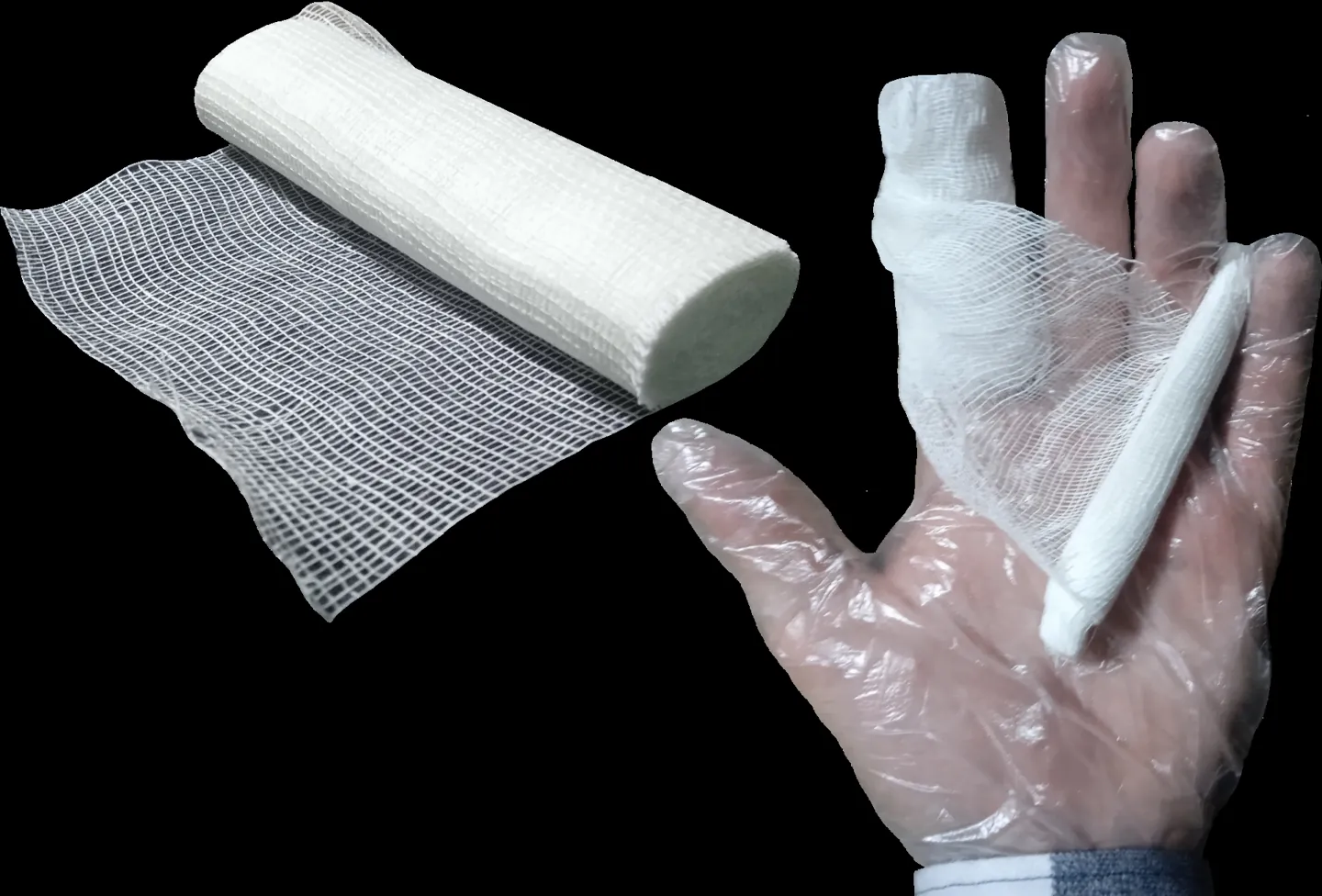
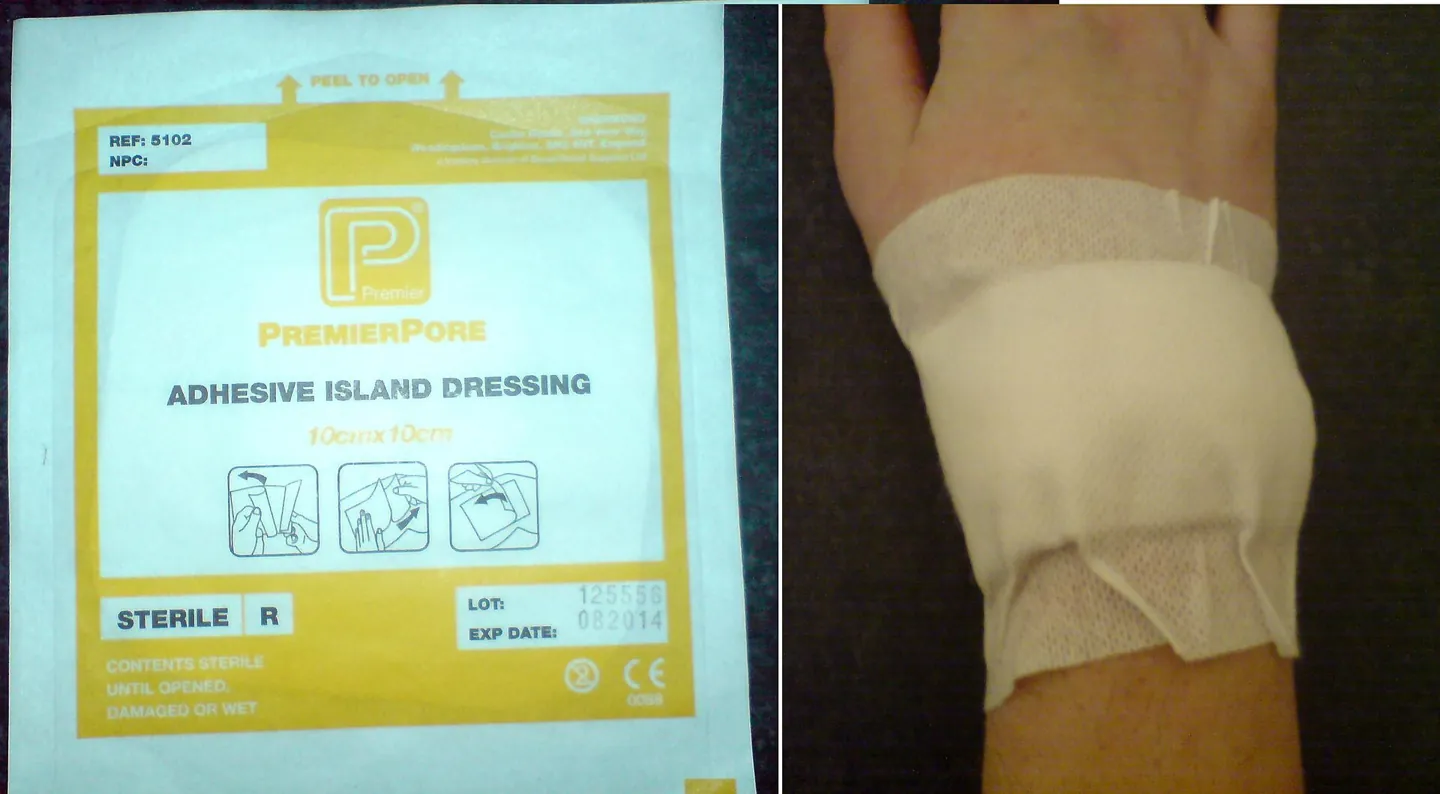
If someone is bleeding heavily now, call 999 or 112 and ask for an ambulance. Apply firm direct pressure to the wound if it is safe to help. Use a sterile dressing if available or a clean, non-fluffy cloth. If an object is embedded, do not remove it or press on it; apply pressure on either side. St John Ambulance gives these immediate first-aid actions.
The rest of this guide is for preparation and understanding the limits of household help. Do not read to the end before calling. Do not leave a person with severe bleeding to buy supplies, search for a particular brand of dressing or complete an online assessment. A dispatcher can guide your next actions while help is being arranged.

Full image attribution
Nitrile Gloves holder 20230316 110111.jpg — Kiran891; CC BY-SA 4.0. Resized and converted to WebP; source: https://commons.wikimedia.org/wiki/File:Nitrile_Gloves_holder_20230316_110111.jpg
Treat substantial ongoing bleeding as urgent
You do not need to calculate blood volume before asking for help. Describe what you can see: where the wound is, whether bleeding is heavy or continuing despite pressure, and how the person is responding. A serious accident can involve injuries you cannot see. Major trauma after a collision, a fall from height or a penetrating injury warrants an immediate ambulance call, as London Ambulance Service explains.
Keep the distinction between a small everyday cut and a severe bleed clear, but do not turn it into a colour-matching exercise. The amount of blood visible on clothing can be misleading, and you may not be able to see the wound properly. Tell the dispatcher what is happening rather than deciding that one reassuring detail rules out a serious injury.
If the scene is unsafe, keep away and explain the danger when calling. Traffic, machinery, electricity, broken glass or an ongoing assault can injure a helper too. Stop short of entering an area you cannot make safe. A nearby person may be able to summon help or prevent others approaching without taking the same risk.
Keep the first response simple
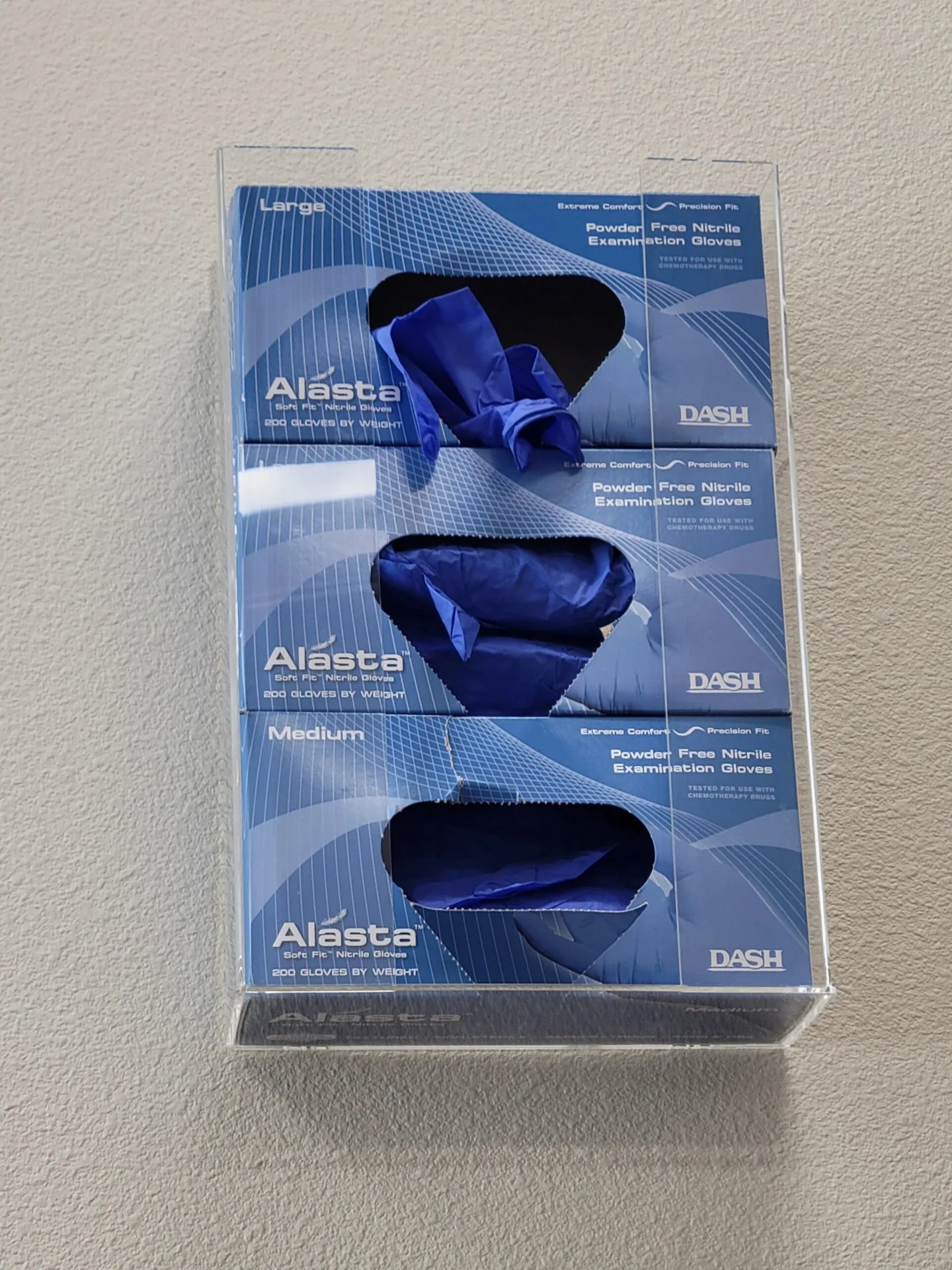
Wear first-aid gloves if they are immediately available. Apply pressure without wasting time searching for ideal equipment. Ask a helper to call, or use the phone's speaker so you can speak while helping. St John Ambulance Cymru confirms the direct-pressure, embedded-object and hands-free call approach. Explain to the injured person what you are doing in a calm, short sentence.
London Ambulance Service emphasises continuous pressure until emergency help arrives. Do not repeatedly lift the material to inspect progress. If bleeding continues or soaks through, tell the dispatcher and follow their current instructions. Do not spend time applying several remembered internet techniques in succession. The useful information is that pressure is not controlling the bleeding, not that a particular number of dressings has been used.
This guide does not teach wound packing or tourniquet application. If severe bleeding is not controlled, the dispatcher may give further directions appropriate to the injury and equipment. Follow those instructions. Buying a specialist kit is not a substitute for practical training, and improvised techniques should not be attempted from an unverified social-media demonstration.
Give the location before a long explanation
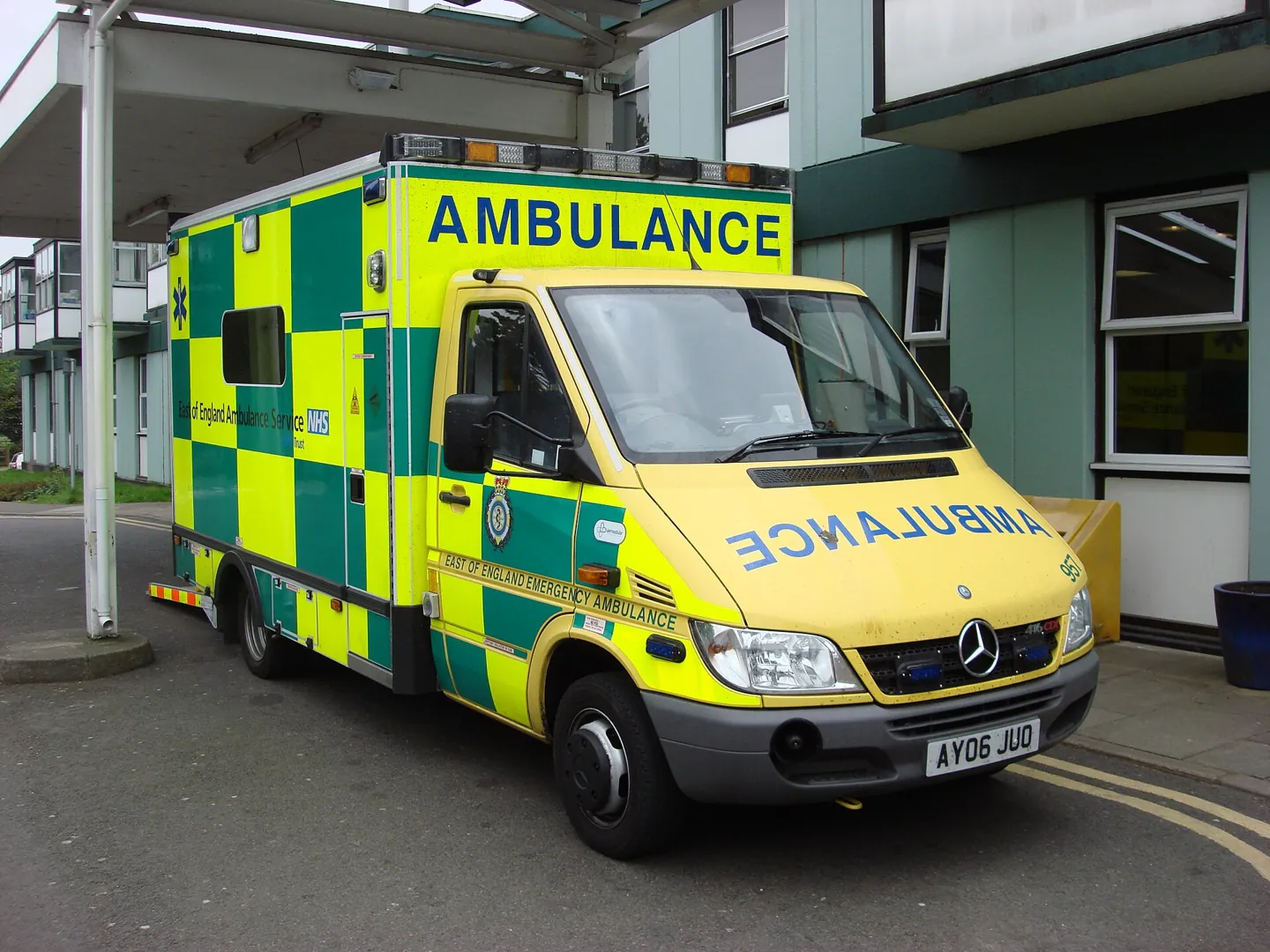
State the address or exact location, what has happened and that there is severe bleeding. Include a flat number, floor or entrance if relevant. Outside, use a reliable location description and any available map information. A venue name may identify a large site with several entrances; explain where the casualty actually is.
Answer the call handler's questions and keep the line available. Report any change in responsiveness or breathing immediately. If the person becomes unresponsive and is not breathing normally, follow instructions to start CPR. Do not assume occasional gasps are normal breathing. Your practical first-aid training should cover recognising this change and acting on dispatcher guidance.
A second helper can meet the ambulance at a safe entrance, keep bystanders back and bring supplies already nearby. Give that person one specific task. Several people shouting different instructions can make a simple action harder. If you are alone, tell the dispatcher rather than trying to leave the casualty to carry out every supporting task.


Full image attribution
Adhesive dressing-20100202.jpg — Keithf2008 (Wikimedia Commons) / Kei_Jo (Wikipedia); Public domain. Resized and converted to WebP; source: https://commons.wikimedia.org/wiki/File:Adhesive_dressing-20100202.jpg
Support the person and pass on changes
Stay with the person, reassure them and keep watching their response and breathing while maintaining the advised pressure. Tell the dispatcher if they become more confused, faint or less responsive. Do not make them walk around to demonstrate that they are all right. Follow advice about position, especially after a fall, collision or other possible injury.
Keep the immediate area as calm as possible. Move onlookers away and give the person privacy without hiding them from helpers. Protect them from cold using a blanket if available without interrupting urgent actions, following St John Ambulance's advice on shock. Follow the dispatcher's advice about food, drink and medicines. Do not pause bleeding control to fetch refreshments. You are supporting emergency care, not trying to complete treatment before the ambulance arrives.
When the crew arrives, describe the injury, when it happened, the pressure applied and any change you noticed. If known, mention medicines that affect bleeding and relevant allergies. Do not interrupt pressure to search through cupboards for a full medical history. Another adult can provide a current medicine list from the household medical information if it is already accessible.
Keep basic supplies findable
A household kit should be recognisable, reachable and easy to open. Sterile dressings and disposable gloves are useful preparation; a complicated collection of unfamiliar equipment can create hesitation. Ask a qualified first-aid trainer or pharmacist about suitable basic contents for the household. Choose supplies you understand and can keep in good condition.
Keep sterile packets sealed until needed and store them according to their instructions. Check packaging for damage and replace expired or used items. Do not transfer unlabelled dressings between a damp shed, car boot and indoor kit without checking their condition. The kit review guide helps record replacements, but replace something used today rather than waiting for the next scheduled review.
Store a small practice set separately if a trainer recommends it. Opening one spare dressing during a lesson can teach people what is inside without using up the emergency supply. Never practise pressure techniques on an actual injury for demonstration, and never practise a tourniquet on a person as a household game.
Make the arrangements work for your home
Think about the places an accident could happen: a kitchen, workshop, garden or shared stairwell. The aim is to know how to call and get basic supplies, not to put a specialist medical kit in every corner. If the household has several floors, check whether someone who uses a walking aid can reach the main kit without climbing.
Children can learn to fetch a trusted adult and state the address without being made responsible for managing a frightening injury. Explain which phone to use and how to ask for emergency help. Keep teaching calm and age appropriate. Adults remain responsible for supervision and for arranging assistance when a child is hurt.
If a person takes anticoagulants or has a bleeding disorder, ask their clinician for an individual plan and keep it accessible. Do not invent a different pressure method or alter prescribed treatment yourself. The medicine continuity guide covers keeping accurate names, strengths and contact details. It does not authorise changing doses during an injury.

Full image attribution
East of England emergency ambulance.jpg — Oxyman; CC BY 2.5. Resized and converted to WebP; source: https://commons.wikimedia.org/wiki/File:East_of_England_emergency_ambulance.jpg
Use a short discussion exercise
Discuss a fictional kitchen accident while everyone is well. One adult says where the kit is; another says the full address and explains which entrance an ambulance should use. Check that the phone's speaker function is familiar. Do not make a test call to 999 or create fake blood or an unexpected injury scene. The exercise should expose practical confusion without frightening anyone.
Next consider being alone with the injured person. Can you reach the phone without leaving them? Is the address saved somewhere other than a locked device? Would a visitor know the building entrance? Improve one weak point at a time. This kind of preparation is useful even if nobody in the household becomes a formally qualified first aider.
Household readiness checklist
- Keep the full address, flat number and access description easy to find.
- Show adults where the first-aid kit is and check that they can open it.
- Keep suitable dressings and gloves sealed, dry and within their stated life.
- Learn how to put the household phone on speaker during an emergency call.
- Book practical first-aid learning that covers severe bleeding and an unresponsive person.
- Record any clinician-provided plan for a known bleeding condition.
- After using supplies, replace them and update the household record.
Deal with the aftermath when urgent care is complete
Follow the treating team's instructions about wound care and follow-up. Do not use this emergency guide to decide whether stitches, antibiotics or a tetanus assessment are needed. Ask the clinician to explain the next steps and warning signs in writing if possible. Keep those instructions with the person's care information.
Review the practical response afterwards without blaming the injured person or helper. Was the address clear? Did somebody fetch the wrong box? Did several people assume another person had called? Fix the arrangement that caused confusion. If the incident was distressing, seek appropriate support rather than expecting everyone to return immediately to normal tasks.
For different injuries, use the burns and scalds guide. Pressure for bleeding and cooling a burn are different responses; a general first-aid box does not make them interchangeable. In a serious incident, give the dispatcher all the injuries you can see and follow their priorities.
Sources
- St John Ambulance: Severe bleeding. Checked 2 November 2026.
- London Ambulance Service NHS Trust: Emergency trauma advice. Checked 2 November 2026.
- St John Ambulance Cymru: First aid for bleeding. Checked 2 November 2026.
- St John Ambulance: How to do CPR. Checked 2 November 2026.
- St John Ambulance: Shock. Checked 2 November 2026.