
On this page
- Decide about urgent help early
- Cool the burn while keeping the person safe
- Chemical burns need an immediate emergency call
- Do not approach a live source
- Plan the kitchen around ordinary accidents
- Consider water access before disruption
- Keep supplies modest and instructions current
- A practical household checklist
- Pass on a clear account
- Follow the treatment plan after first aid
- Sources
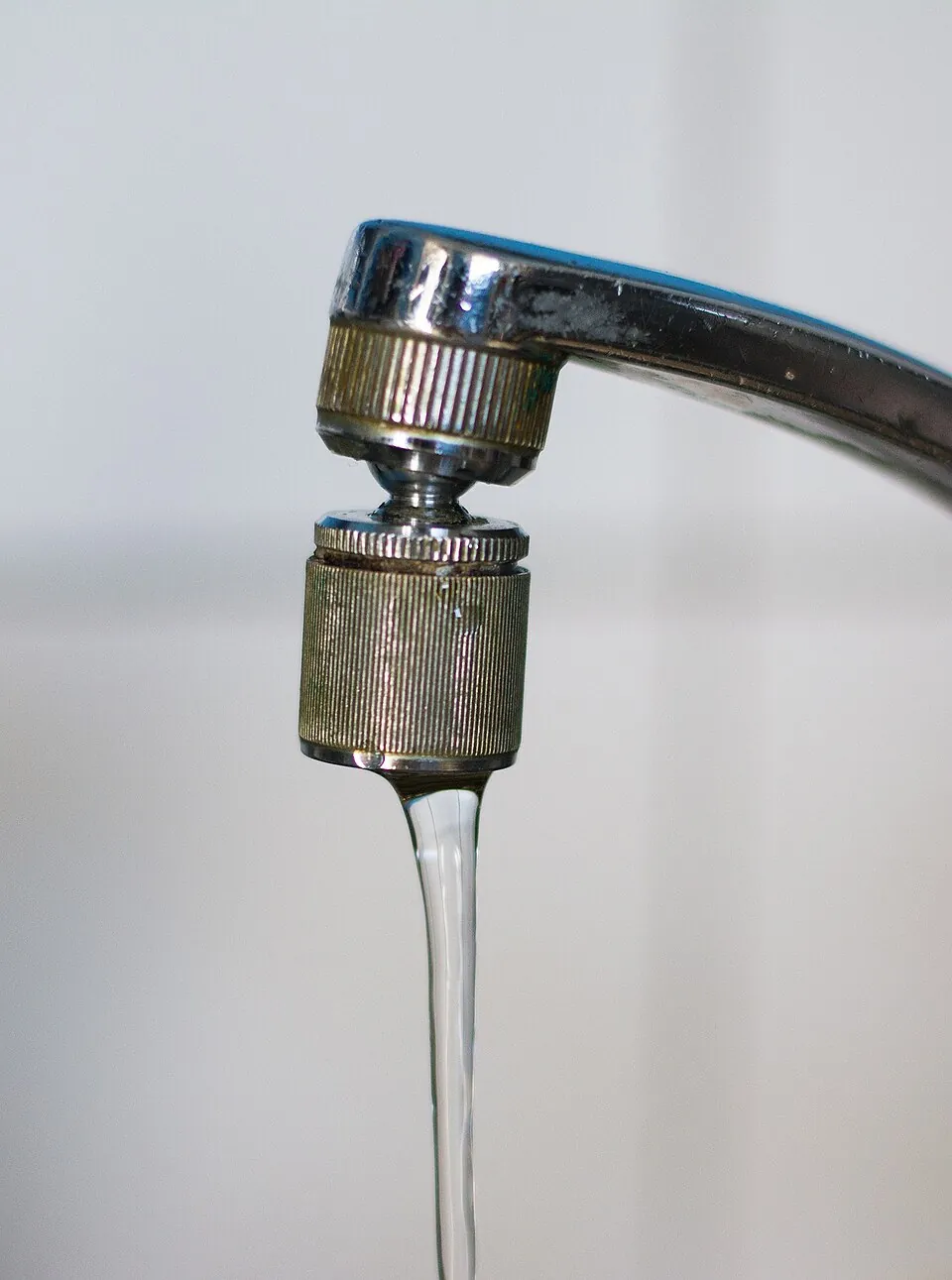
For a burn from heat or hot liquid, cool the affected area under cool running water for 20 minutes as soon as possible. Remove nearby clothing and jewellery unless stuck to the skin. Do not pull stuck material away. These are the first actions in the NHS burns and scalds guidance.
If the injury is serious, call 999 or 112 while cooling continues where safe. Do not wait 20 minutes before asking for an ambulance. Chemical and electrical injuries require different hazard precautions and urgent hospital assessment. If the scene involves a live electrical source, fire or a dangerous chemical, protect yourself from exposure before attempting to help.

Full image attribution
Tap-gb0fe5d2cc 1920.jpg — Vien Hoang; CC0. Resized and converted to WebP; source: https://commons.wikimedia.org/wiki/File:Tap-gb0fe5d2cc_1920.jpg
Decide about urgent help early
The NHS advises 999 or A&E for very large or deep burns, burns on the face, genitals or bottom, and burns caused by electricity, acid or chemicals. Breathing difficulty, collapse or a serious fire-related injury also warrants an emergency call. Do not drive yourself to hospital. Explain what caused the injury, where it is and whether the person is breathing and responding normally.
If you are unsure what to do about a smaller burn or a child's scald, seek urgent healthcare advice. In England use NHS 111; Scotland uses NHS 24 on 111, and Wales uses NHS 111 Wales. In Northern Ireland contact your GP or the local GP out-of-hours service. Emergency symptoms need 999 or 112, rather than waiting in an advice queue.
Do not judge severity only by how loudly someone complains. A frightened child may struggle to explain what hurts, while an adult may minimise an injury because they want to finish cooking. Tell the professional what happened and what you can see. You do not need to assign a burn degree or estimate a precise percentage of skin before calling.
Cool the burn while keeping the person safe
Use cool running water, not ice. The current NHS page allows cool bottled water or a wet towel when running water is unavailable. Keep cooling focused on the injury and protect the rest of the person from becoming cold, especially babies and older people. Queen Victoria Hospital advises stopping cooling if a child starts shivering; tell the dispatcher and keep the rest of the child warm. Ask the dispatcher for help if the burn is extensive or using the available tap is difficult.
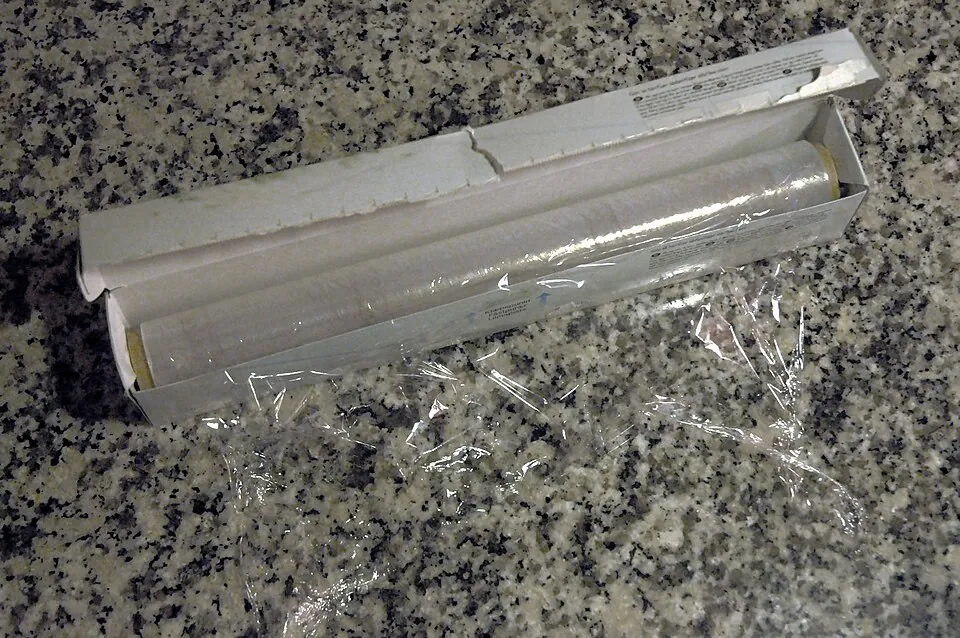
Once cooled, cling film can be laid loosely over a suitable thermal burn; do not wrap it around a limb, where swelling needs space. Do not put it over the face, as the specialist NHS burns service advises. St John Ambulance advises loose covering after cooling, with no ice, creams or gels and no breaking blisters. Follow professional advice about injuries in sensitive places or any uncertainty.
Do not use butter, oil, toothpaste or adhesive dressings as improvised treatment. Do not spend the cooling period shopping for burn gel. A product sold for a first-aid kit does not replace water, assessment or an ambulance. Keep any subsequent wound treatment tied to the advice given for that person rather than a general list of items sold online.
Chemical burns need an immediate emergency call
Call 999 for a harmful acid or chemical on the skin or in the eyes. Avoid contaminating yourself; use protective gloves if available. The NHS chemical-burn guidance advises carefully removing contaminated clothing where possible, brushing off dry chemicals and irrigating with plenty of cool or lukewarm water for about an hour. Follow the dispatcher, especially for eye exposure or a substance with specific hazards.
Do not try to neutralise an acid with another household chemical. Do not apply skin creams or cover a chemical injury using the routine thermal-burn method. If safe, give responders the product name or label information. Do not carry a leaking container through the house or bring contamination into a vehicle to prove which substance was involved.
Store cleaning products in their original labelled containers and keep incompatible products separate as directed. A bottle decanted into a drinks container can leave the helper unable to identify it. During emergency preparation, check that adults know where product information is and how to prevent children or pets reaching the storage area.


Full image attribution
Clingfilm.jpg — Ilmari Karonen at English Wikipedia; Public domain. Resized and converted to WebP; source: https://commons.wikimedia.org/wiki/File:Clingfilm.jpg
Do not approach a live source
An electrical burn may accompany an electrical injury that needs hospital assessment even if the visible mark looks small. Do not touch a person while they may still be in contact with electricity. Call 999 or 112 and follow the dispatcher. Stay away from damaged cables, exposed supply equipment or water near electrics; do not improvise a rescue with household objects.
Use the utility emergency guide for reporting and safe boundaries. Disconnecting an ordinary appliance in a safe setting is different from approaching damaged wiring or a fallen power line. If you cannot establish safety, keep others back and explain the problem to emergency services rather than treating the visible burn first.
Plan the kitchen around ordinary accidents
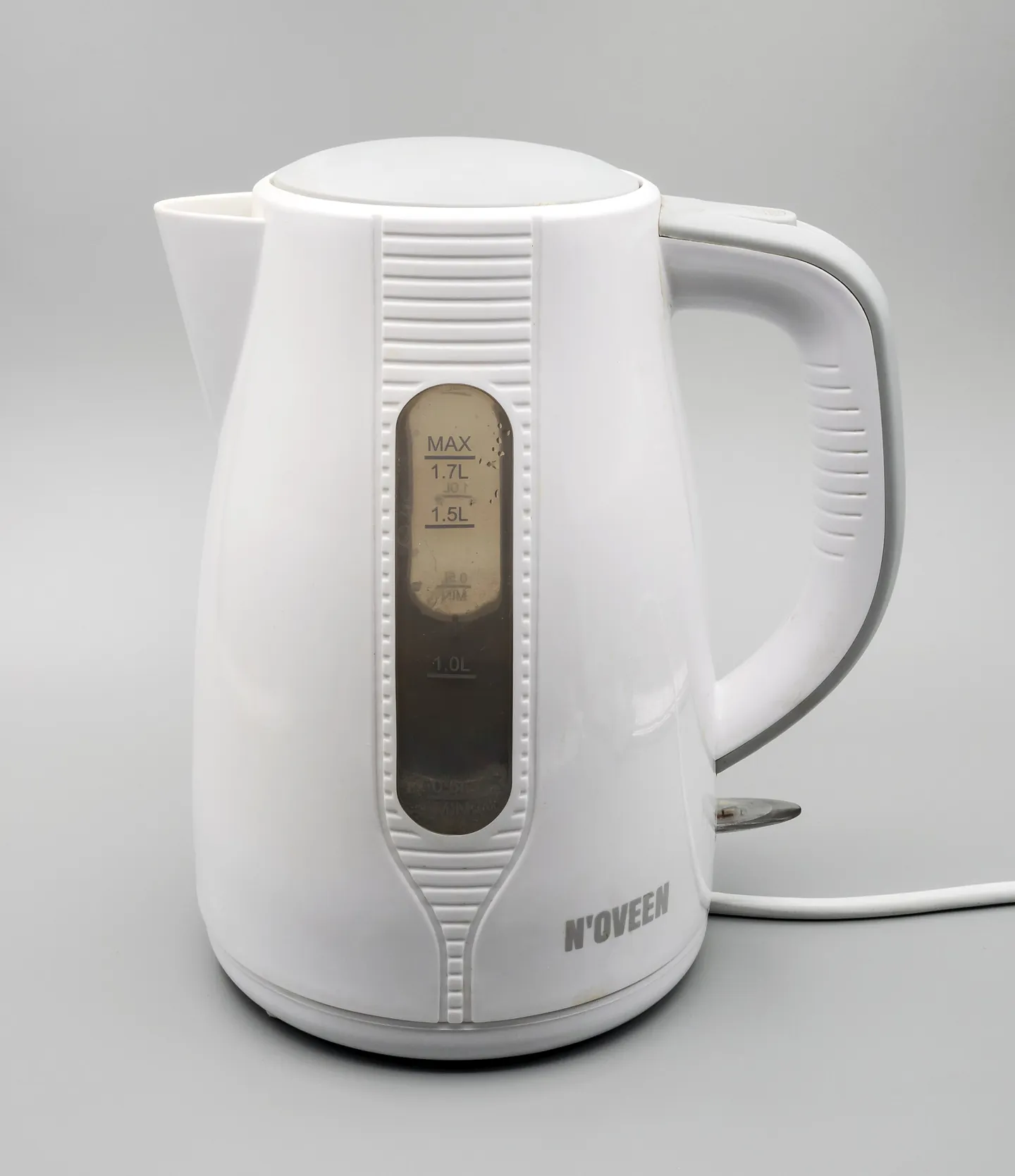
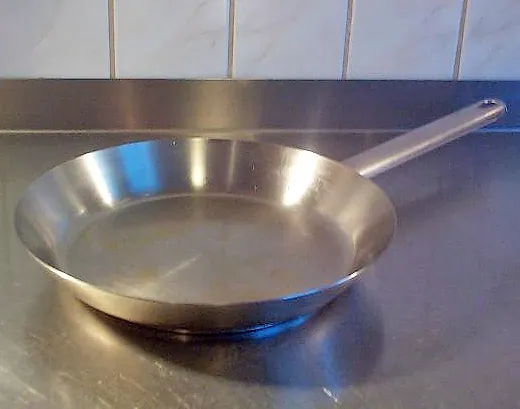
Think about where a child can reach a hot drink, kettle lead, pan handle or tablecloth. Move hot drinks away from edges and avoid holding a child while handling boiling water. During a power cut or disrupted routine, the kitchen may become crowded with unfamiliar equipment. Keep the same rules about hot surfaces and access, even when the normal cooker is unavailable.
Check whether the route to a sink is clear. A washing-up bowl full of sharp items, bags on the floor or a blocked doorway can complicate help. This does not mean sterilising the kitchen for an emergency; it means keeping ordinary access usable. Tell another adult where to find a phone so one person can call while the other helps.
If a child is injured, keep the explanation simple and avoid blame. Ask another adult to look after other children if available. Tell the call handler the child's age and what happened. Do not remove clothing forcefully because you are worried about appearances, and do not let embarrassment about the accident delay seeking advice.
Consider water access before disruption
If your home is temporarily without running water, think ahead about safe food and drink preparation. Avoid unnecessary boiling-water tasks or unstable cooking arrangements. Keep drinking-water supplies accessible, but do not treat a stored bottle as proof that every possible burn can be managed at home. A serious injury still requires professional care.
Discuss the fallback with a first-aid trainer: where the household would obtain water, how someone would call while helping and how to avoid making the person cold. Do not run a burn simulation on a healthy person, use hot water to demonstrate an injury or create an exercise that wastes emergency water during a real outage. A verbal walk-through can reveal the same access problems.
Keep supplies modest and instructions current
A basic first-aid kit, clean covering materials and a working phone support a response. They do not need to become an extensive burn-treatment cupboard. Keep sterile supplies in intact packaging and follow storage instructions. Ask a pharmacist or trainer which items are appropriate, particularly where children or people with complex care needs live at home.
Keep the current official guidance available for learning and revision. The first-aid course guide explains choosing practical teaching, including child-specific learning. Ask the trainer about the difference between a thermal injury and chemical exposure, and how to coordinate a call with cooling when you are the only adult present.


Full image attribution
Pfanne (Edelstahl).jpg — Suricata; Public domain. Resized and converted to WebP; source: https://commons.wikimedia.org/wiki/File:Pfanne_(Edelstahl).jpg
A practical household checklist
- Keep kettle leads, hot drinks and pan handles away from children's reach.
- Leave the route to the sink and telephone clear during cooking.
- Keep cleaning chemicals labelled and stored as directed.
- Know how to call 999 or 112 and give the full home address.
- Learn the 20-minute thermal-burn cooling step without treating it as a waiting period before calling.
- Keep a separate reminder that chemical and electrical burns need urgent assessment and hazard precautions.
- Check first-aid supplies after use and replace damaged or expired packets.
For a child under five in England, call 111 for advice rather than using the general online symptom service. Keep the child with an adult while the call is made. Tell the adviser if cooling has been difficult or the child is becoming cold. Do not assume that a short burst under the tap completed the recommended cooling, and do not delay emergency help if serious signs develop.
Pass on a clear account
Tell the clinician when the injury happened, the cause, the affected area and what first aid was given. Mention whether cooling started promptly and approximately how long it continued. An honest estimate is better than a precise invented time. If another person started helping, ask them for the facts without delaying transport or the ambulance handover.
Keep relevant medicine and allergy information available from the household document pack. Do not interrupt urgent care to assemble a perfect history. The medicine plan can help a second adult provide accurate names and strengths once help is under way.
Follow the treatment plan after first aid
Ask the treating professional how to care for the injury, when dressings should be reviewed and which changes require urgent advice. Do not burst blisters or start a new cream because an online product page says it helps healing. Healing advice depends on the injury and the treatment already given.
Once the immediate situation is over, replace used supplies through the kit maintenance record and address the cause. That may mean moving a hot-drink location, changing supervision during cooking or repairing unsafe equipment. Keep the review specific and practical. A household response to severe bleeding uses different first actions, so keep injury guidance clearly labelled rather than combining every treatment into one confusing checklist.
Sources
- NHS: Burns and scalds. Checked 2 November 2026.
- St John Ambulance: Burns and scalds. Checked 2 November 2026.
- NHS: Acid and chemical burns. Checked 2 November 2026.
- nidirect: GP out of hours service. Checked 2 November 2026.
- NHS: When to use NHS 111 online or call 111. Checked 2 November 2026.
- St John Ambulance: Severe burn. Checked 2 November 2026.
- Queen Victoria Hospital NHS Foundation Trust: Burns first aid and prevention. Checked 2 November 2026.