
On this page
- Notice the signs without guessing the species
- Check food before it joins the reserve
- Contain a confirmed problem
- Inspect beyond the obvious cupboard
- Clean after removing the source
- Rebuild a smaller, inspectable store
- Check whether the response worked
- Why the problem sometimes returns
- A cupboard check you can finish today
- Sources
Pantry pests are easier to deal with when you can still see the back of the cupboard. A deep store of flour, cereals and dried fruit creates more places to inspect and more food to lose if an infestation goes unnoticed. Good prevention starts with buying quantities that fit both your meals and your storage space.
This guide concerns insects in stored food. Rodent droppings, sewage contamination and widespread damp need different precautions and professional advice. Do not treat an unidentified contamination problem as a harmless flour-beetle nuisance.

Full image attribution
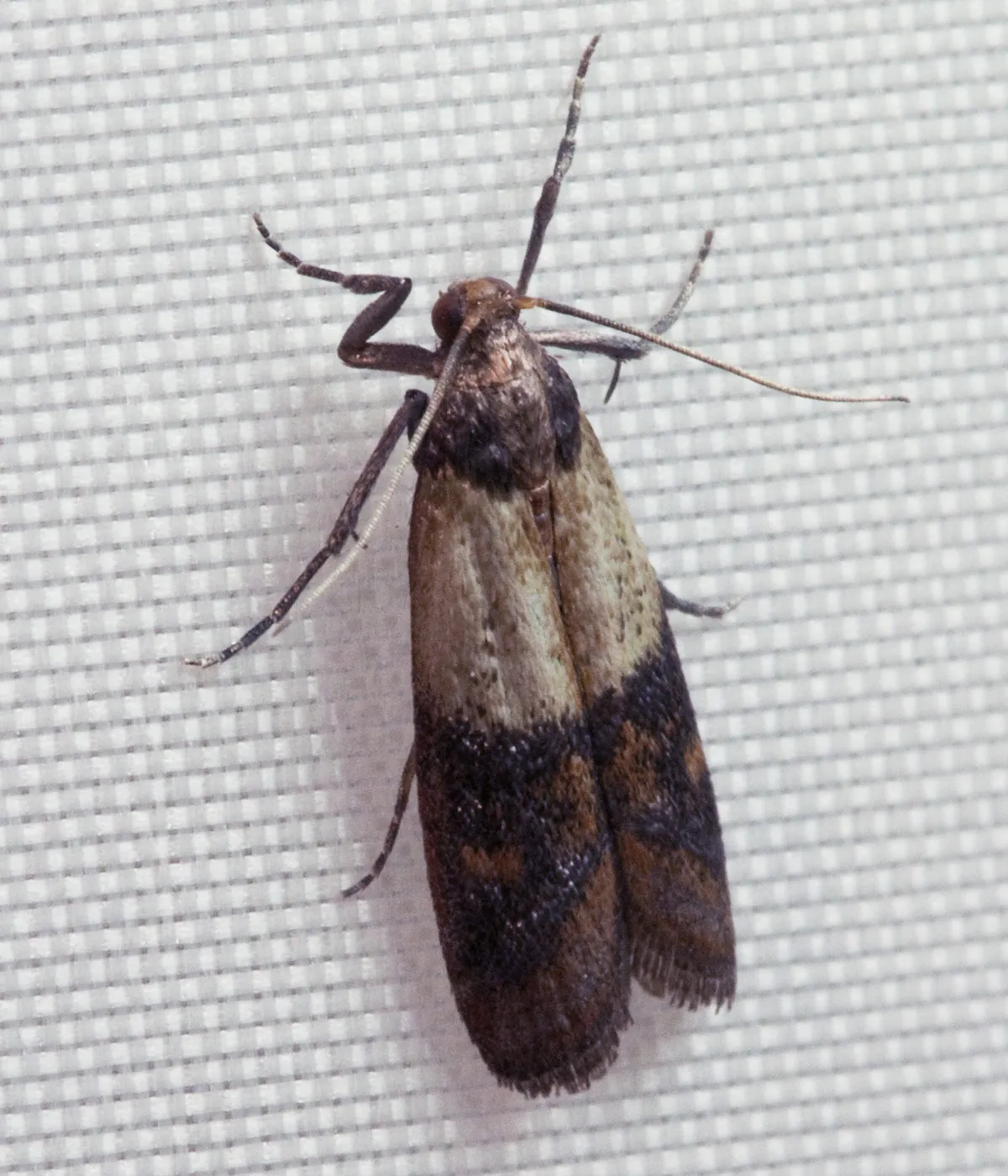
Indianmeal moth 2009.jpg — Kaldari; CC0. Resized and converted to WebP; source: https://commons.wikimedia.org/wiki/File:Indianmeal_moth_2009.jpg
Notice the signs without guessing the species
Look for live insects, larvae, fine webbing, unexplained holes in packets and material collecting around seams. A moth resting near the ceiling may have come from food elsewhere in the room. Finding one adult does not tell you which packet contains the source.
The Natural History Museum's identification pages distinguish common UK food pests from insects associated with clothing or furniture. They identify Indian meal moth larvae and their webbing as a stored-food problem. Use a clear photograph and the location where you found the insect to support identification.
Do not spend days trying to identify an insect before isolating visibly affected food. Equally, do not spray every cupboard because a moth flew through an open window. Start with the evidence in the packet, shelf or adjacent store.
| Observation | Useful next step | Avoid assuming |
|---|---|---|
| Webbing or larvae in a packet | Contain that packet and inspect nearby dry goods. | Removing visible material makes the food suitable. |
| Small beetle on a shelf | Photograph it and inspect seams, spillages and older packets. | Only the flour can be affected. |
| A moth on a wall | Check food stores and seek identification if uncertain. | It must be a clothes moth or must be a pantry moth. |
| Repeated signs after cleaning | Look for a missed source and ask for informed help. | Stronger chemicals will solve the source problem. |
Check food before it joins the reserve
Inspect packaging while shopping or unpacking a delivery. Reject torn seams, unexplained holes or visible contamination. Keep the receipt and photograph damage if you need to raise a complaint with the retailer. Do not empty a suspect packet into a communal storage jar before looking at it.
Take particular care with items bought infrequently. Flour used only at Christmas, a large bag of porridge oats and an opened packet of nuts may remain much longer than everyday bread. The risk is partly organisational: nobody remembers when they arrived or whether the pack was previously opened.
Bromley Council's stored-product insect guidance describes a broad range of affected dry goods and the problems created by stock held for long periods. Use that as a reason to inspect the whole dry store, including pulses, spices, dried fruit and pet food, rather than blaming one ingredient.
Put new shopping into a clean area before storing it. Where a paper packet is sound, keeping it inside a suitable lidded container preserves its label and adds protection. Do not mix different batches. Our dry-food packaging guide compares practical container choices.
Contain a confirmed problem
Pause food preparation on the affected surface. Close or bag the suspect packet so insects and loose material do not spread as you carry it. Put it apart from food you intend to keep. If making a complaint, keep the evidence contained and follow the retailer's or council's instructions about a sample.
Discard infested food. Do not sieve flour, pick insects out of rice or add the contents to a stew to avoid waste. This guide does not offer heating or freezing methods to recover affected food. Replacing one packet is simpler than trying to establish whether every contaminant has been removed.
The University of Minnesota Extension's household guidance recommends removing infested food and finding the source. Its advice is about stored-food insects, not a UK waste rule. Bag discarded material securely and use your local council's appropriate waste route.
Do not immediately throw away every intact tin in the room. Inspect neighbouring items methodically. Keep clearly affected food separate from items still being checked, and clean the exterior of sound containers as appropriate before returning them to a cleaned shelf.

Full image attribution
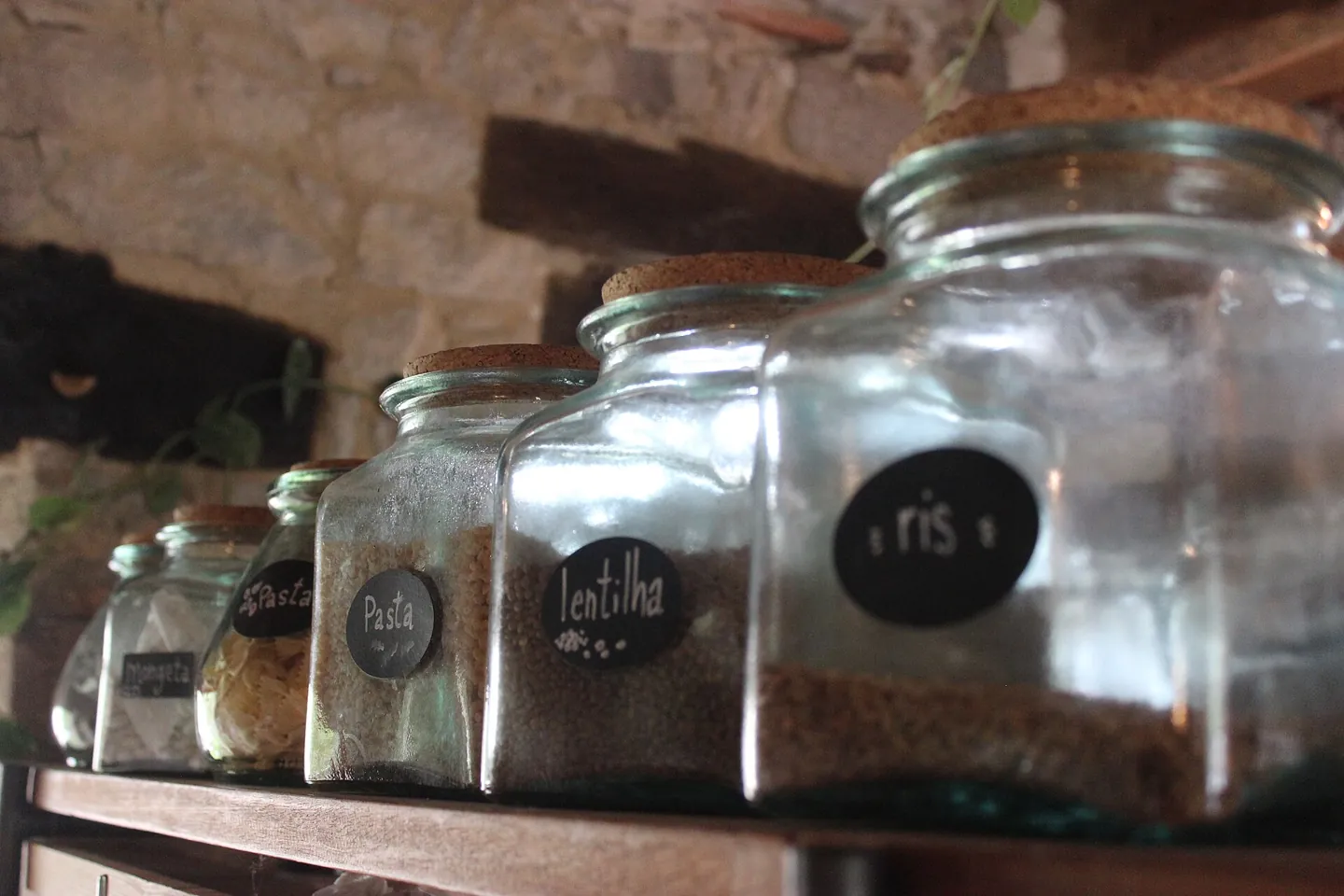
Bocaus - pasta lentilha ris.jpg — Jiròni B.; CC BY-SA 4.0. Resized and converted to WebP; source: https://commons.wikimedia.org/wiki/File:Bocaus_-_pasta_lentilha_ris.jpg
Inspect beyond the obvious cupboard
Work one shelf at a time with good light. Take out packets so you can examine folds, lids and undersides. Avoid tipping all the contents onto a worktop; that makes it harder to track which food belongs to which label and spreads loose material.
Check adjacent shelves, drawer corners and gaps where crumbs collect. Include the less obvious stores: baking decorations, dried herbs, pet treats, bird seed and packets kept in a utility room. Keep animal food separate from human food when returning items to storage.
Write down where you found signs. A simple note such as "top shelf, opened couscous, webbing at seam" is more useful than "kitchen treated". It gives you a specific place to recheck and helps a pest professional if the problem continues.
In a shared flat, ask everyone to inspect their own packets. One person cleaning a communal shelf cannot resolve an infested bag kept in another bedroom. Keep the conversation factual. An infestation can arrive with food; it is not useful evidence about someone's character or cleanliness.
Clean after removing the source
Remove loose food and insects from the empty cupboard, including accessible cracks and shelf supports. A vacuum crevice tool can help with dry debris. Empty the machine or remove the bag after use according to its instructions, containing the debris so it does not return to the kitchen.
Clean food-storage surfaces with an appropriate household cleaning method and let them dry fully before putting food back. Do not soak fitted cupboards or pour liquid into joints. If a shelf is damaged, damp or cannot be cleaned, address the underlying repair with the owner or landlord.
The Minnesota guidance specifically advises against insecticide in stored-food cupboards. Killing a few visible adults does not remove larvae inside packets or the food supporting them. Do not use mothballs, garden pesticides, pet flea treatments or improvised mixtures around food.
If a pest-control professional recommends treatment, explain that the area stores food and ask what must be removed, what cleaning is required and when the area can be used again. Follow the product and professional instructions. Never assume a treatment suitable for a loft is suitable for a pantry.
Rebuild a smaller, inspectable store
Return food only when the shelf is clean and dry. Arrange packets so labels and dates face forward. Leave enough room to remove an item without emptying everything else. This is especially valuable in a small kitchen where an inaccessible corner can disappear behind bulk purchases.
Choose containers the household can open, close and wash properly. Several modest containers are often easier to inspect than one enormous bin. They also make it possible to keep an unopened replacement apart from the current batch. No container can repair food that was already contaminated before it went inside.
Keep only the quantity that normal meals will use. The rotating cupboard guide explains stock levels and date order. A reserve of sealed ready-to-eat meals can provide useful flexibility while a dry-food cupboard is being cleaned.
Review the emergency food list before replacing losses. If the infestation has exposed sacks of grain that you never cook, rebuild around actual meals instead of recreating the same oversized store.


Full image attribution
Cupboard in the kitchen - Daebang Little Switzerland.jpg — Jinho Jung from Seoul, South Korea; CC BY-SA 2.0. Resized and converted to WebP; source: https://commons.wikimedia.org/wiki/File:Cupboard_in_the_kitchen_-_Daebang_Little_Switzerland.jpg
Check whether the response worked
Recheck the affected area during the following weeks and whenever new food is put away. Record fresh signs separately from old stains or packet damage. An empty trap or a few quiet days does not establish that every source has gone.
If insects continue to appear, repeat the source search and seek identification through a competent pest professional or your council's available service. Tell them what you found, where, which foods you removed and what cleaning you carried out. Council services differ, so check whether inspection or treatment is offered.
Look for building issues too. Moisture behind a cupboard, an inaccessible spill beneath fixed shelving or a damaged food store may need a repair as well as cleaning. In rented accommodation, report the facts and keep a dated record. Do not dismantle fixtures or seal ventilation openings to chase insects.
Why the problem sometimes returns
Replacing every packet before finding the source can provide fresh food for the remaining insects. A rushed clean that leaves crumbs in corners has a similar weakness. So does topping up an old container, which hides the oldest food beneath a clean-looking layer.
Buying an expensive set of jars is not the first task. Empty space, labels and a smaller purchasing routine may do more for inspection. Use the meal portions guide to work out how much dry food you genuinely need before deciding container sizes.
Do not mistake a best-before date for a guarantee against insects. Dates assume suitable storage and do not cancel visible contamination. Conversely, a single insect elsewhere in the house does not prove all your food is infested. Keep the response tied to what you can inspect and identify.
Inspect sound tins separately from opened dry goods. The guide to tin condition and dates helps distinguish damage to a sealed container from insects found around it. Keep the decision specific to the item rather than treating every package on a shelf alike.
A cupboard check you can finish today
- Inspect the oldest opened dry-food packets in good light.
- Look at packet seams, shelf corners and any spillages.
- Photograph unidentified insects without spreading affected food.
- Contain and discard confirmed infested food.
- Inspect nearby pet food, seed and occasional baking ingredients.
- Remove debris, clean the empty cupboard and dry it fully.
- Return sound food in identifiable batches with space to inspect.
- Record fresh signs and seek help if they recur.
Sources
Primary sources checked on 2 November 2026. Incident instructions and individual care plans take precedence where relevant.