
On this page
- Start with the food's instructions
- Compare containers by the job they need to do
- Choose the shelf before choosing the lid
- Repack only into a clean, fully dry container
- Keep enough information to make a safe decision
- Understand what repacking changes
- Respond to moisture, damage and pests
- An ordinary kitchen example
- Make the packaging fit the shopping routine
- A practical packaging check
- Sources
A jar can keep a packet tidy and make its contents easier to reach. It can also hide the cooking instructions, mix two purchase dates and trap moisture if it was not dry when filled. Choose packaging to solve a specific problem, rather than decanting every food because matching containers look organised.
This guide covers commercially bought dry foods in a household cupboard. It does not provide long-term preservation methods or a new shelf life for repacked ingredients. If you want to preserve food yourself, start with the separate safe preservation guide.

Full image attribution
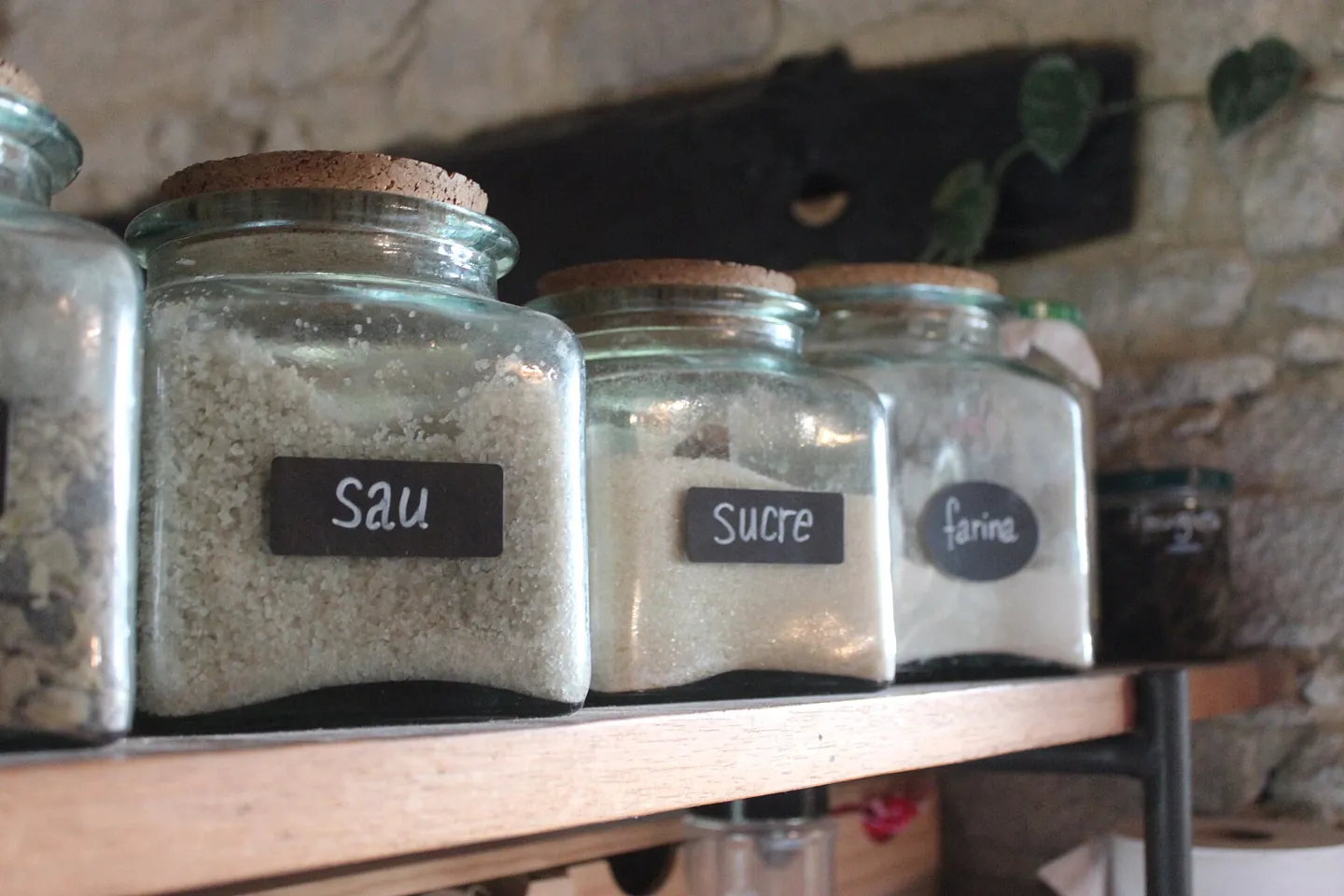
Bocaus - sau sucre farina.jpg — Jiròni B.; CC BY-SA 4.0. Resized and converted to WebP; source: https://commons.wikimedia.org/wiki/File:Bocaus_-_sau_sucre_farina.jpg

Full image attribution
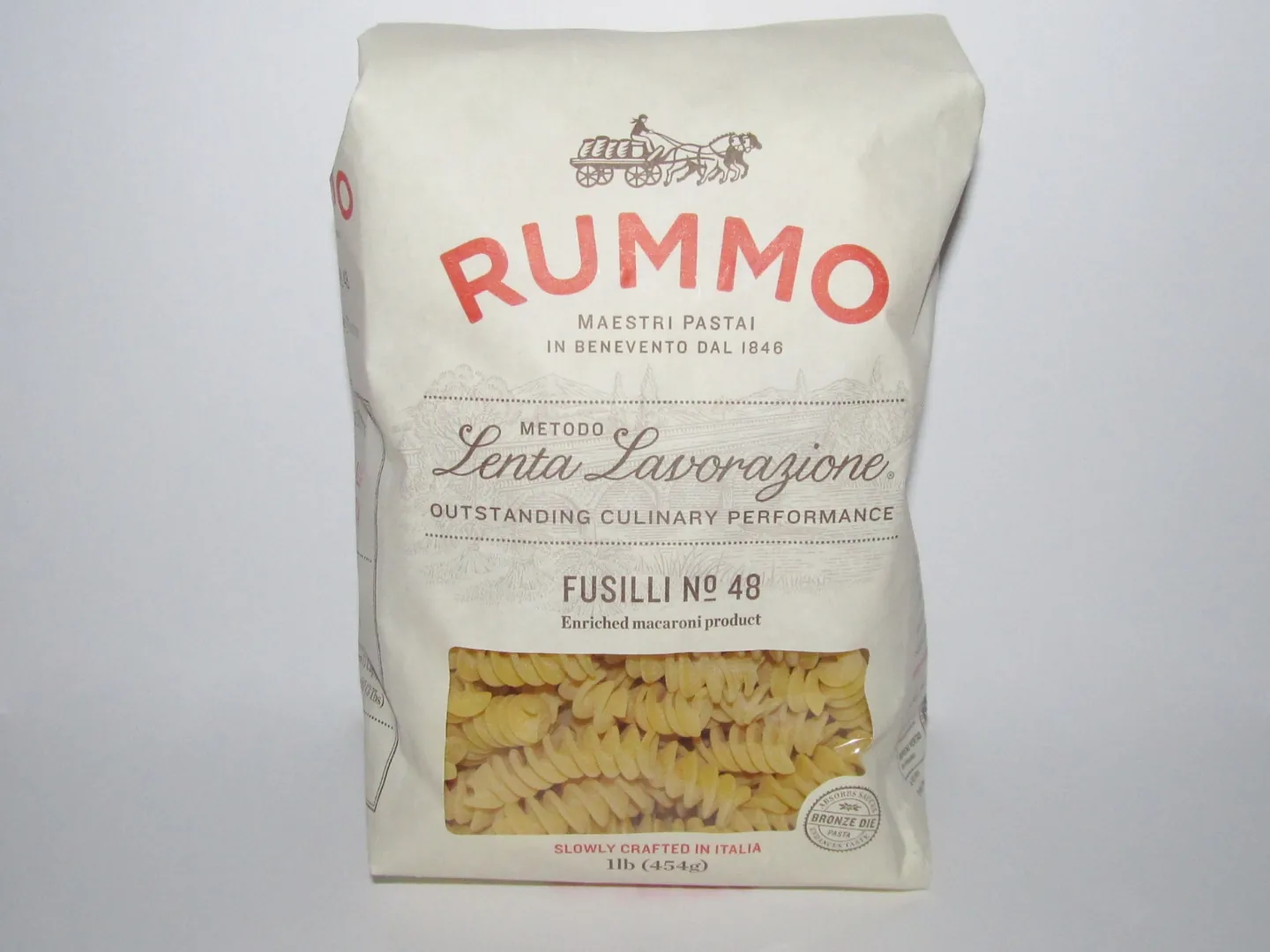
Pasta Rummo Fusilli No 48.jpg — Willis Lam; CC BY-SA 2.0. Resized and converted to WebP; source: https://commons.wikimedia.org/wiki/File:Pasta_Rummo_Fusilli_No_48.jpg
Start with the food's instructions
Read the pack before buying a container. Note where the food should be stored, what changes after opening and whether it needs cooking. "Dry" describes a broad group of products, not one set of storage rules. Flour, dried fruit, crackers and powdered drinks are used differently and may have different label instructions.
Food Standards Scotland's storage advice starts with the label. It also makes clear that opening can change a product's storage needs. Do not keep something in the cupboard merely because its unopened pack was shelf-stable.
Think about how frequently you use the ingredient. An everyday packet that is finished promptly may only need to be properly reclosed. A thin paper bag prone to tearing may benefit from an outer container. Food used once a year is a purchasing question before it is a packaging question.
Compare containers by the job they need to do
| Option | Useful when | Check before choosing |
|---|---|---|
| Original sealed pack | The food is unopened and the cupboard meets its storage instructions. | Seams, damage, label readability and available space. |
| Original pack inside a lidded tub | You want extra physical protection while retaining all product information. | The lid closes without crushing the packet or trapping debris. |
| Reusable food-storage tub | Frequent scooping or an awkward packet makes access difficult. | Food-contact suitability, cleanability, seal condition and safe lifting. |
| Glass jar | You can handle its weight and want to see the contents. | Chips, lid fit, shelf strength and the consequence of breakage. |
| Purpose-made food bag | Space is limited and the food suits the manufacturer's stated use. | Closure, puncture risk and whether it is reusable. |
Buy the smallest number of containers needed to solve the problem. An existing sound food tub may work better than a new set whose lids are too stiff for the person using them. Check suitability for the particular use; food storage, freezing, dishwasher cleaning and microwave heating are separate claims.
Never repurpose a container that held chemicals, fuel or an unknown substance. A recycling symbol describes material; it does not by itself establish that a random bucket is suitable for storing your food. Ask the manufacturer when intended use is unclear.
Choose the shelf before choosing the lid
Look inside the cupboard after ordinary cooking and after wet weather. Is steam reaching the shelf? Is there condensation on a cold outside wall? Does a pipe drip behind the food? A sealed container may protect its contents from some exposure, but it does not repair the cupboard or make a damp room a sound storage location.
Move food away from the immediate problem and arrange the repair. Avoid shelves directly above a steaming kettle or beside an oven if conditions conflict with the label. Do not use a loft, shed or garage without considering temperature swings, damp, pests and the storage instructions of every product.
Place heavy containers where they can be lifted without reaching overhead or twisting under a shelf. In a small flat, several accessible containers are often more useful than one bulky tub wedged behind cleaning products. Keep food separate from household chemicals and anything that could leak onto it.
Leave enough space to inspect the back of the shelf. A container should come out without pulling neighbouring packets over. This small practical detail matters during a power cut, when a torch and one free hand may be all you have.
Repack only into a clean, fully dry container
If decanting genuinely helps, empty the container before refilling it. Wash it in accordance with its instructions, including the lid and removable seal. Allow every part to dry thoroughly. Water can remain in a groove even when the main body looks dry.
The FSA's reusable-container advice calls for thorough washing and drying. Keep containers used for raw foods separate from those used for ready-to-eat foods. Use a clean, dry scoop or spoon and protect the opening from splashes during preparation.
Do not top up old rice or flour with a new bag. Finish the old batch or keep the remainder separately with its identity intact. Mixing batches makes it difficult to follow the shortest date or identify which contents belong to a product recall.
Open one pack at a time on a clear surface. Check it, transfer it if necessary, close the container and attach the label before moving to the next food. This avoids a row of unmarked white powders and an optimistic promise to label them later.
Keep enough information to make a safe decision
Keep the food name, brand, ingredients, allergen and precautionary statements, best-before or use-by date, batch code and preparation directions. A folded original label can sit in a separate sleeve or beside the container, provided it stays clearly matched to that food.
Write the opening or transfer date as a record of what you did. It is not a replacement for the manufacturer's date. If instructions say to use within a specified period after opening, record the relevant deadline using those directions rather than a general internet storage chart.
For households managing allergies, an attractive handwritten label saying "oats" is insufficient. It removes information another cook may need. Read the allergy and special-diet planning guide before changing how those products are identified.
Use labels that the person preparing food can read. Large text and plain names may help more than a tiny QR code. Digital records can supplement the packaging, but should not be the only route to cooking instructions when a phone is flat.
Understand what repacking changes
Food Standards Scotland distinguishes use-by safety dates from best-before quality dates. Both depend on following relevant storage instructions. A new jar does not reset either one, and an intact-looking food does not override a use-by date.
Opening and transferring also changes the manufacturer's original packaging arrangement. You cannot assume that a long unopened best-before period still describes every repacked product. Where instructions do not answer a storage question, ask the manufacturer or keep the food in its intended packaging.
Do not attach claims such as "lasts twenty years" to ordinary household repacking. The result depends on the food, its condition, packaging and storage environment. Oxygen absorbers, vacuum sealing and specialist pouches are not universal upgrades and are outside this household cupboard method. An airtight seal does not sterilise food or make damp ingredients safe. The FSA guidance on vacuum-packed chilled foods explains that some harmful bacteria can grow without oxygen. It concerns commercial chilled foods, not a storage-life formula for dry pantry ingredients. Keep following the food's own storage and cooking instructions.
Food quantities should come from meals, not container capacity. The meal portions guide can show whether a larger bag will actually be used. Leaving space in a container is preferable to buying food merely to fill it.

Full image attribution
2023 Elektroniczna waga kuchenna.jpg — Jacek Halicki; CC BY-SA 4.0. Resized and converted to WebP; source: https://commons.wikimedia.org/wiki/File:2023_Elektroniczna_waga_kuchenna.jpg
Respond to moisture, damage and pests
If you see condensation inside a dry-food container, stop treating it as a successful storage arrangement. Check for a damp lid, wet utensil, unsuitable location or damaged closure. Do not simply stir the contents and add fresh food on top.
Discard food with mould or evident contamination. Do not taste suspect contents to decide whether they are usable, and do not try to dry damp, mouldy ingredients back into a reserve. If you are unsure how a particular change affects a product, contact its manufacturer and use a sound alternative meanwhile.
Inspect seams and seals for insects, webbing or unexplained holes. A lidded jar is not evidence that food was pest-free when added. The pantry pests guide explains containment and source inspection without spraying the food store.
Keep damaged-container decisions separate from date decisions. For commercially tinned foods, the tin condition and dates guide addresses packaging damage that this dry-food comparison does not cover.
An ordinary kitchen example
Suppose a household uses a bag of flour slowly and keeps it beside the kettle. The first improvement is to choose a suitable dry shelf. Next, inspect the current pack and choose a tub that holds the original bag upright. The ingredients and batch information remain available, and the tub catches small spills.
When the bag is finished, remove it, clean the tub and dry it before adding the next bag. If the household later uses flour more often, direct decanting may become convenient. That decision can wait. There is no benefit in adding a complicated storage routine before the basic location and quantity work.
Make the packaging fit the shopping routine
Keep a short note of the packet sizes your containers accept, so a special offer does not leave an opened surplus with nowhere suitable to go. Measure the cupboard opening before buying a tall tub; usable shelf space can be smaller than it looks once hinges and shelves are considered.
The rotating cupboard method links replacement shopping to actual use. Add a quick look at container seals and labels while putting groceries away. This keeps packaging maintenance attached to a task you already do, instead of creating another inventory that is soon forgotten.
A practical packaging check
- Read storage and after-opening instructions before buying containers.
- Check the shelf for steam, damp, leaks and contamination.
- Keep sound original packaging where it works well.
- Use containers intended for the food-storage job.
- Clean and dry the body, lid and seal before filling.
- Keep old and new batches separate.
- Retain product identity, allergens, dates and cooking directions.
- Inspect while putting shopping away and fix recurring moisture problems.
Sources
Primary sources checked on 2 November 2026. Incident instructions and individual care plans take precedence where relevant.