
On this page
- Write down what the person actually needs
- Read the whole label on every purchase
- Build meals around known suitable foods
- Decide how substitutions will be authorised
- Plan a small, clean preparation area
- Prepare for meals away from home
- Keep the reaction plan separate and accessible
- Mistakes worth catching in an ordinary week
- Checklist for the next shop
- Sources
A delivery substitution can leave a full cupboard with nothing suitable for one family member. During disruption, the difficulty is often obtaining the exact food, reading a changed label or preparing a meal in somebody else's kitchen. Solve those problems while shopping and cooking normally, when there is time to check.
This guide helps turn an existing safe diet into a usable reserve. It does not diagnose allergies, set carbohydrate or fluid targets, or change a prescribed texture or medical diet. Keep the person's clinical instructions alongside the practical menu.


Full image attribution
Non gluten bread.jpg — Bigvai Muhoti; CC BY-SA 4.0. Resized and converted to WebP; source: https://commons.wikimedia.org/wiki/File:Non_gluten_bread.jpg
Write down what the person actually needs
Ask the person, or their parent or usual carer, to describe a successful ordinary day of eating. Record products, portions, preparation and anything that makes eating difficult. A list saying only "special diet" gives a volunteer shopper almost no useful information. "Buy this product, check these ingredients, decline substitutions unless I confirm them" is much clearer.
Separate a preference from a medical requirement without dismissing either. Food allergy, coeliac disease, lactose intolerance, a religious diet and a swallowing plan need different decisions. One person may have several requirements. A milk-free product might still contain another ingredient that is unsuitable for them.
Food Standards Scotland explains that allergy and intolerance differ, and that traces of an allergen can matter. Do not assume picking an unwanted ingredient off a finished meal makes that meal suitable.
Make a short household sheet containing the person's name, established restrictions, who checks new products, and two usual meals. Add any instructions for utensils or preparation surfaces. Keep private health information out of a public noticeboard; give the sheet directly to the people who need it.
Read the whole label on every purchase
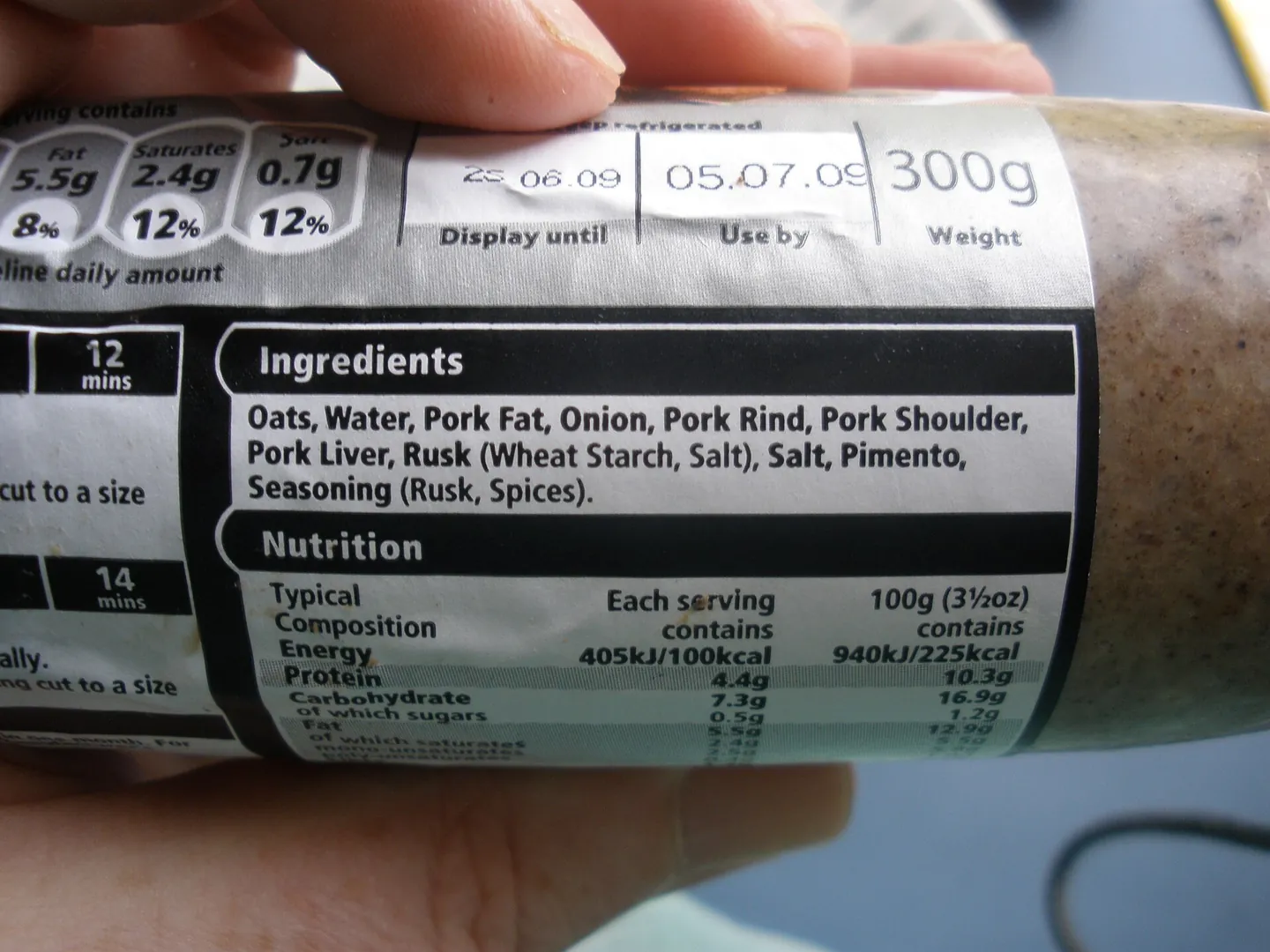
Recognising the colour of a packet is not enough. Recipes, factories, pack sizes and product names can change. Check the physical pack when it arrives, even if you bought the same item last week. An online description or old photograph is useful for shopping, but it does not replace the current label.
Government allergen guidance explains that the fourteen regulated allergens must be made clear in the ingredients of prepacked food. Read the full ingredient list for the individual's other triggers too. Also read precautionary wording, storage instructions and preparation directions. Precautionary warnings such as "may contain" are voluntary, so their absence is not a guarantee that cross-contact cannot occur. Follow the person's established allergy advice when choosing products.
| Label detail | Practical decision |
|---|---|
| Ingredients and highlighted allergens | Compare with the person's established requirements, including triggers outside the regulated list. |
| Precautionary statement | Follow the person's allergy advice; do not ignore it because another brand was suitable. |
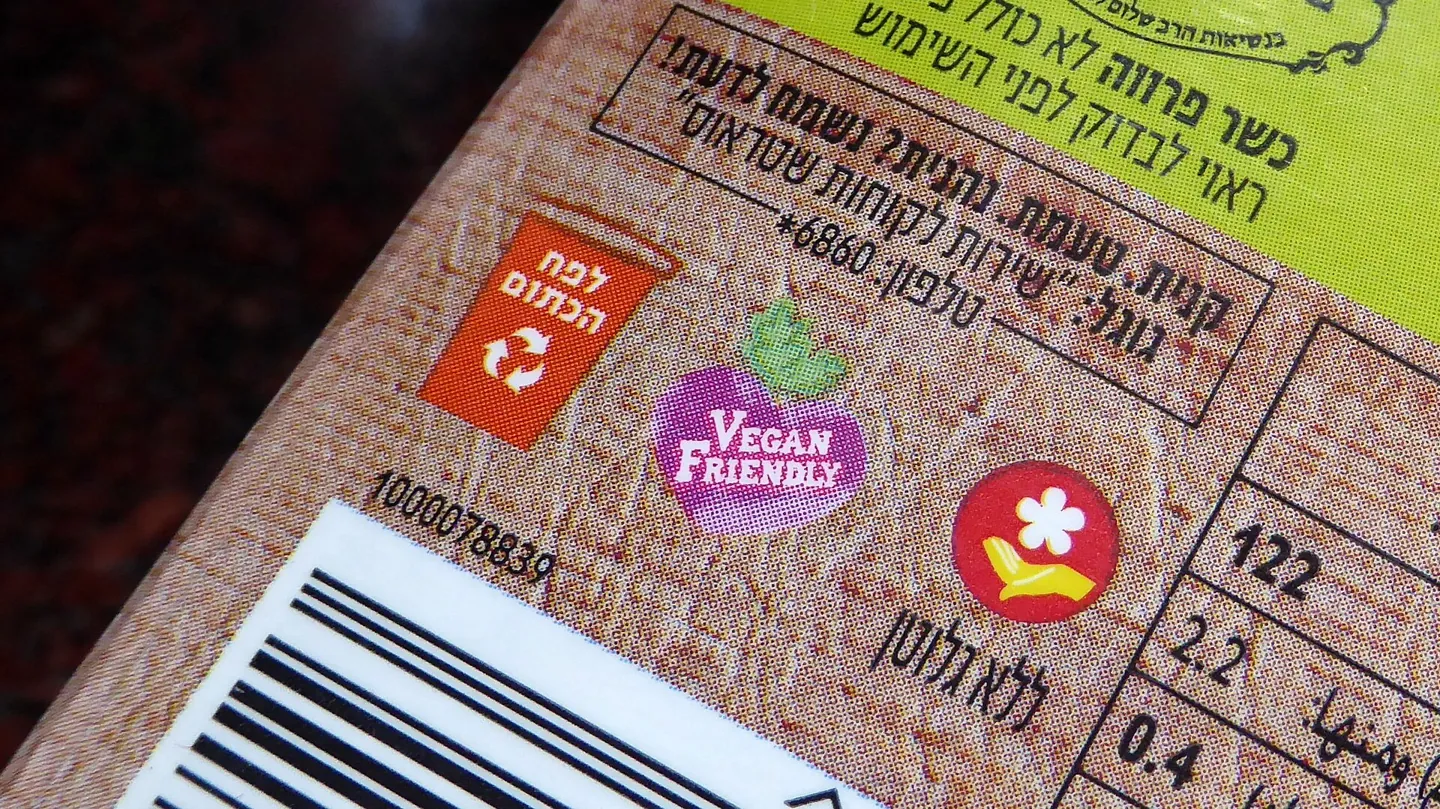
| Free-from claim | Check precisely which substance the claim covers, then check the rest of the label. |
| Vegan description | Do not treat it as proof of freedom from milk or egg allergens. |
| After-opening instructions | Choose a pack the household can use safely with the refrigeration available. |
The same government guidance distinguishes vegan descriptions from allergen safety claims. Avoid turning broad shopping categories into personal assurances. If the label leaves a question unresolved, contact the manufacturer or the person's allergy team and select a known suitable alternative meanwhile.
Build meals around known suitable foods
Choose breakfast, lunch, evening meal and any normally needed snacks. For each meal, write the exact products and how many portions are required. Begin with foods already eaten successfully under the person's normal care plan. A disruption is a poor time to introduce an unfamiliar emergency ration simply because it has a long printed date.
Use the general emergency food list as a prompt for missing meal components, not a claim that every suggestion suits every diet. Include some combinations that need no cooking, checking that each individual product is ready to eat.
Then remove the fridge and cooker from the paper plan. A suitable cereal is not a complete breakfast if its usual accompaniment needs refrigeration and the replacement is unsuitable. A frozen meal does not solve an interruption that prevents safe reheating. Our no-cook meal guide helps identify these dependencies.
Plan by person as well as by meal. If three household members can eat a shared lunch but the fourth cannot, count the separate lunch explicitly. The portion-planning method can help prevent an apparently generous cupboard from running short for one person.

Full image attribution
Gluten-free food products in Israel, April 2024 15.jpg — Chenspec; CC BY-SA 4.0. Resized and converted to WebP; source: https://commons.wikimedia.org/wiki/File:Gluten-free_food_products_in_Israel,_April_2024_15.jpg
Decide how substitutions will be authorised
Make a small replacement list while familiar products are available. It can contain one approved alternative for a breakfast, one for a main meal and a dependable snack. Check these alternatives through the person's usual decision process. Do not assume that all products in a supermarket's free-from aisle share the same exclusions.
For online groceries, adjust substitution preferences where the retailer permits it. Tell anyone collecting a shop which items must come back unchanged and which can be replaced after a telephone call. If communication fails, the instruction can simply be to leave that item rather than guess.
Store a photograph of the label as a shopping aid, with the date photographed. Add a reminder to check the delivered product. This is particularly helpful where a support worker buys food, another person unpacks it and a third prepares lunch. Someone must own the final check.
If usual prescribed foods, supplements or texture-modified products become unavailable, contact the prescribing team, dietitian or pharmacy before changing them. A supermarket item with a similar name may not provide the same nutritional composition or texture. Ask in advance whom to call outside normal opening hours.
Plan a small, clean preparation area
Look at how the household really prepares food. Shared butter tubs, a knife returned to a spread, crumbs in a bread bin and hands moving between plates can defeat careful shopping. Use the person's existing cross-contact precautions consistently when preparing reserve meals.
Keep suitable meals identifiable and closed until needed. If separate equipment forms part of the household plan, put it where the person preparing the meal can find it. A dedicated utensil buried beneath other equipment is unlikely to help in a dark kitchen.
Prepare the suitable portion in a cleaned area, protect it while other food is handled and keep its serving utensil with it. Follow established cleaning advice from the allergy team for your household. Do not improvise by wiping a visibly contaminated knife on a cloth and calling it safe.
For dry ingredients, retaining original packs inside a labelled outer container usually makes checking easier than transferring everything into identical jars. If decanting is necessary, keep the full product identity, ingredient information and batch details. The dry-food packaging guide explains how to preserve that information.
Prepare for meals away from home
A burst pipe, evacuation or overnight stay with relatives may put the person in an unfamiliar kitchen. Keep a few suitable unopened foods portable, together with their instructions and any necessary equipment. These should be ordinary usable meals, not an inaccessible reserve nobody is allowed to eat.
In a rest centre, explain the requirement to the person organising food before accepting a meal. Ask for the original packaging and preparation information. If staff cannot establish suitability, say so clearly and discuss another arrangement. Do not rely on a casual reassurance from someone who has not checked.
Agree what a child should do if offered food by another adult. Use a simple instruction already consistent with their allergy plan, such as checking with the named caregiver. Include school, transport and after-school arrangements in this conversation, especially where a delay could extend beyond the usual snack supply.
Keep an accessible copy of relevant care instructions. A phone photograph can help, but it should not be the only copy when batteries or networks fail. The offline documents guide covers storing useful information without exposing it unnecessarily.

Full image attribution
Glass food storage container with Easy Find Lids.jpg — Rubbermaid Products; CC BY 2.0. Resized and converted to WebP; source: https://commons.wikimedia.org/wiki/File:Glass_food_storage_container_with_Easy_Find_Lids.jpg
Keep the reaction plan separate and accessible
Food preparation precautions reduce avoidable mistakes; they do not replace the response plan. The NHS food-allergy guidance says specialists provide an allergy action plan. Keep prescribed emergency medication available, in date and stored as directed, with people who know how to use it.
Signs of a serious allergic reaction require urgent action. Follow the person's emergency plan, use prescribed emergency treatment as instructed and call 999. Call even if symptoms improve after treatment. Do not wait for the food organiser to locate a label before getting emergency help.
Mistakes worth catching in an ordinary week
The most common planning failure is counting food without checking who can eat it. Another is relying on a single specialist item available only through one delivery route. Add a practical alternative where the care plan permits one, and keep the ordering details for products that cannot be replaced casually.
Do not let emergency stocks become detached from normal eating. A child may outgrow a portion, an adult's treatment may change, or a once-familiar product may be reformulated. Use the rotating cupboard approach to keep the reserve current.
A useful rehearsal is to serve one already-approved reserve meal on a normal day. Check whether everyone can open the packs, read the labels and finish an appropriate portion. Do not deliberately introduce allergens or test tolerance. The exercise is about the shopping and preparation process.
Checklist for the next shop
- Write each person's existing requirements and who approves replacements.
- Choose complete meals with familiar, individually checked products.
- Include suitable meals that work without refrigeration or cooking.
- Check the delivered labels and retain all ingredient information.
- Set aside the equipment required by the household cross-contact plan.
- Record ordering routes for prescribed or hard-to-replace foods.
- Make care instructions and emergency medication accessible.
- Review the menu whenever the diet, household or product changes.
Sources
Primary sources checked on 2 November 2026. Incident instructions and individual care plans take precedence where relevant.