
On this page
How do I start a food plan?
Check cupboards before you buy anything. Group a few suitable items together and write down what you use. If you eat from the reserve as part of normal meals, replace those items during your next shop. This rotation is easier than storing a separate collection that nobody remembers to inspect.
Plan for the people who actually share your meals. Consider allergies, religious or ethical diets, texture needs, swallowing advice, medical diets, and the ages of household members. If a prescribed diet or feeding plan affects food choices, ask the person's clinician or dietitian before changing it. Do not assume a general emergency list is safe for everyone.
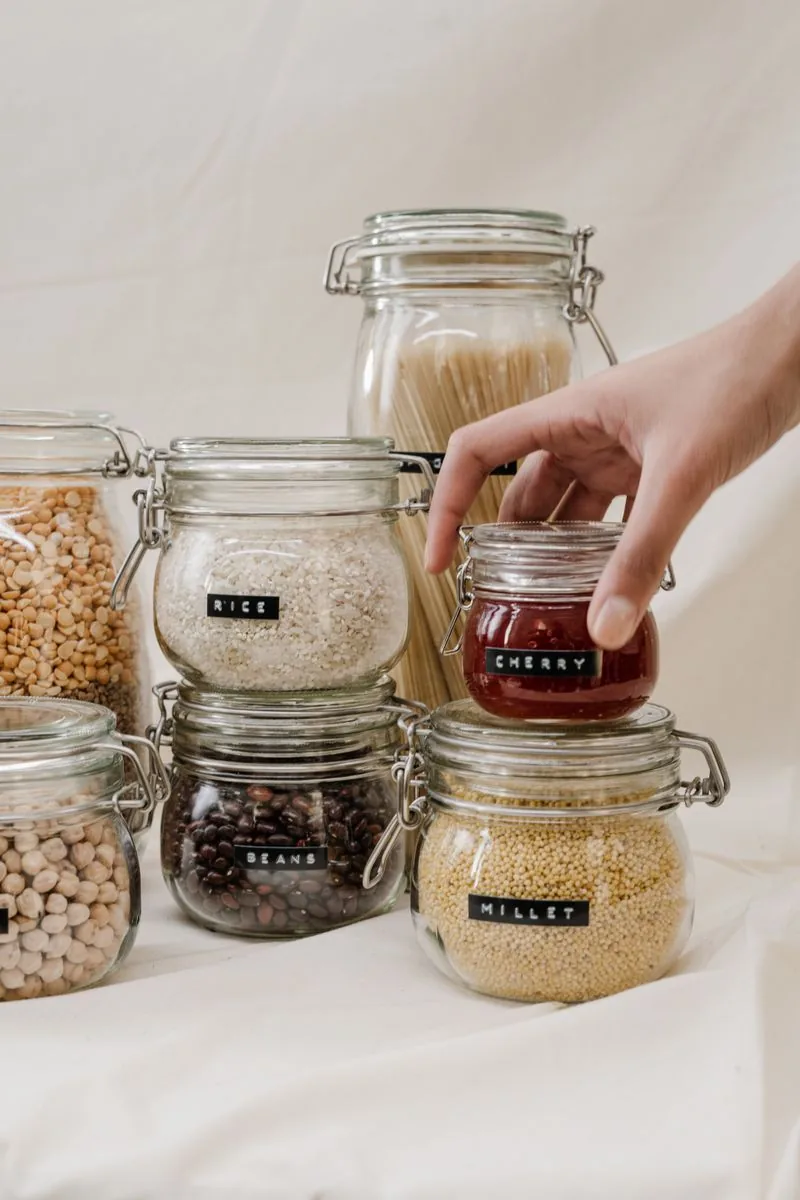
Decide where the food will live. A cool, dry cupboard away from direct heat and chemicals usually makes inspection easier. Keep heavier tins on a low shelf and leave access to the cupboard clear. In a small flat, a modest rotating reserve spread across existing cupboards may work better than buying bulk items that are hard to store.
Make a short inventory with item, quantity, date and any preparation requirement. This helps another household member find a meal without searching every cupboard. Put a tin opener with the food if tins need one, and check it works. Keep any separate cooking equipment outdoors only if its maker says it is suitable for outdoor use; never use outdoor stoves or barbecues inside a home.
What food should I keep?
Choose foods that are familiar, tolerated and practical to prepare. Shelf stable options may include tinned vegetables, beans, fruit, fish or meat; dried foods; crackers; cereal; UHT or other shelf stable drinks; and ready to eat items that suit your household. Check the label, storage instructions and use-by date. There is no need to buy a product simply because it is marketed for emergencies.
Think about a meal rather than a pile of individual ingredients. A tin of beans may be useful if people like it, but it is more useful when the rest of the meal is clear. Pair items that make sense together and keep seasonings or simple extras that are already part of your meals. Avoid choosing a reserve that depends on a recipe, appliance or ingredient that is not available.
Include food that does not require heating. This can be helpful if electricity or gas is unavailable, if a household member cannot safely use a cooker, or if you need to leave home. Ready to eat foods still need suitable storage and clean hands. Follow the pack instructions after opening and do not keep leftovers beyond the stated guidance.
Drinks deserve a place in the plan, but food storage does not replace a safe water supply. Some dried foods require water, while salty or sweet items may increase thirst. Coordinate food and water planning so the meal choices fit the water you can safely access. The water at home hub explains how to plan that supply.
The UK emergency food list helps turn these principles into a cupboard inventory. It focuses on familiar food and simple preparation instead of a fixed shopping list. Use it as a prompt, then adjust it to your own meals and storage space.
How do I account for household needs?
Write down dietary restrictions in plain terms and check every product label when you restock. Recipes and ingredients can change, so a product that suited someone last year may need checking again. Keep relevant information with the food plan and make sure a second person knows which items are suitable.
For babies and young children, follow advice from a health visitor, midwife, GP or other relevant clinician. Do not guess quantities of formula, medicines or specialist foods. Check storage and preparation instructions carefully, and make a plan for safe water and cleaning that follows current health guidance.
For pets, speak to a vet about the type and amount of food to keep. Avoid changing a pet's diet abruptly unless a veterinary professional advises it. Store animal food separately from household drinking water and medicines, and check the manufacturer's instructions for opened packs.
Older people or someone with a disability may need help opening packages, lifting pans or preparing food. Choose packaging they can use safely, consider easy-open options if suitable, and ask what support the person prefers. A household member who assists with shopping should know where the reserve is and how to check dates.
If someone depends on refrigerated medicine or nutrition products, contact the supplier or clinician for storage advice during a power cut. Do not make assumptions about how long a product remains suitable without cooling. Add contact details and instructions to the household plan.
How do I rotate food?
Use the oldest suitable products first and move newer stock behind them. Follow the distinction printed on packaging: a use-by date is a safety instruction for the named food, while a best-before date is about quality. Do not eat food after its use-by date. Read the Food Standards Agency guidance if you are unsure what a date means.
Store items according to the label. Keep dry foods sealed against moisture and pests, and do not put food beside cleaning products, fuel or other chemicals. Check tins for serious dents, swelling, leaks or corrosion, and follow official food safety advice if packaging is damaged. A clean, organised shelf makes it easier to notice a problem.
Once a package is opened, use it in line with the label. Transfer leftovers only into a clean suitable container, cover them, and refrigerate when required. Mark opened products if another person might not know when they were opened. If there is a doubt about safety, do not taste the food to decide whether it is safe.
Set a regular reminder that fits an existing routine. Review the inventory, remove anything damaged or unsuitable, and replace the portions your household has used. Update the list when a child outgrows a product, a diet changes or someone moves into or out of the home.
The guide to tinned food and date labels explains how to assess labels and rotation. It avoids assigning a shelf life to a product without a clear basis from its packaging or food safety guidance.
What changes during a power cut?
Keep refrigerator and freezer doors closed as much as possible while the power is off. Follow current Food Standards Agency and local authority guidance about food that has warmed, thawed or been exposed to uncertain temperatures. Do not rely on a remembered number of hours as a universal rule. Appliances, food, room temperature and the length of the interruption all affect the situation.
Write down the time the interruption began if you know it, and note any advice from the electricity network or food safety authority. If someone has a medical need for refrigerated food, contact their clinician or supplier for specific advice. When a power cut lasts, avoid repeatedly opening the fridge to inspect food.
When power returns, assess food using official guidance, packaging instructions and any advice from the supplier. Do not taste food to test it. If a product should be discarded, keep it separate from food that remains safe and clean any spill promptly.
Before a cut occurs, keep a small set of no-cook meals and a manual tin opener where everyone can find them. Charge phones and check how to obtain local updates, but do not assume mobile networks or broadband will remain available. The power cut food guide describes the decisions to make for chilled and frozen food.
For a broader interruption plan, the guide to cooking without power puts no-cook food first and explains why outdoor appliances must remain outside. If there is a gas smell, carbon monoxide alarm or immediate danger, leave the area and follow emergency service advice.
How can I plan meals without cooking?
Pick a few meals that use ingredients you can open and eat safely. A meal might combine a shelf stable protein with crackers or bread, or pair fruit with cereal and a suitable drink. Check that each person likes the food and can manage its texture and packaging. Simple options lower the chance that a reserve goes unused.
Some shelf stable products need hot water or a powered appliance. Mark these as such on the inventory so nobody mistakes them for no-cook food. If using a kettle or other electrical appliance, follow its instructions and use it only when the supply and appliance are safe. Do not connect equipment to a battery or generator unless the manufacturer confirms it is compatible.
For a household that cooks every day, plan a transition rather than assuming a full pantry is enough. Note which meals can be eaten cold, which need a working fridge and which rely on one appliance. Include safe food preparation surfaces and hand hygiene. If you cannot wash hands normally, follow public health advice for the available water and supplies.
Keep food choices varied enough that people can follow the plan without being forced to eat something they dislike or cannot tolerate. A familiar snack can help a child accept a changed routine. Avoid making the plan depend on complicated preparation, special tools or an ingredient that is only available from one shop.
Where can I find UK advice?
Food safety advice is UK wide, but local incident information and support may come from different organisations. In England, check the Food Standards Agency and your local authority. In Wales, use the Food Standards Agency in Wales and local council updates. For Scotland, Food Standards Scotland publishes food safety information. In Northern Ireland, the Food Standards Agency and the relevant local council provide guidance.
During a service interruption, follow the local water company, electricity network, council or public health authority for the issue at hand. A national page can explain general principles but may not include local arrangements. Check the date and location on any alert before acting on it.
For urgent illness, use NHS 111 or contact a healthcare professional. Call 999 for a life threatening emergency. If a food allergy or medical diet is involved, follow the person's existing care plan and contact their clinician if circumstances change.
Our food planning hub brings together household food guidance, date label advice and the effect of a power cut. The food planning tool can organise a list, while the power cut planning tool can prompt household questions. Neither tool gives food safety advice for a live incident.
How do I keep the plan useful?
Make the plan easy to use without needing a long explanation. Keep the inventory close to the food, add a simple note about preparation, and identify items that should be used first. Store a paper copy if household members might not be able to open a phone or website.
Think through who can help if the person who usually cooks is away. Keep a tin opener, any required can opener alternative, and clean utensils in a known place. If a household member cannot safely lift a pan or open a jar, choose another meal plan and ask what assistance is acceptable.
Review food alongside your wider household arrangements. A power cut may affect refrigeration, cooking, communications and the ability to shop. A water interruption changes which dried foods are practical. A flood can make stored food inaccessible or contaminated. These connections are reasons to keep the reserve modest, visible and linked to a plan for water and official updates.
Start with three actions: identify five foods your household already eats, check their storage and date labels, and write down one no-cook meal for each person. Add the items you already have to the inventory. Fill gaps gradually, then review after the next ordinary shop.
Four guides support the main decisions. The emergency food list focuses on choosing foods; the tinned food guide explains labels and rotation; the power cut guide covers chilled and frozen food; and the no-power cooking guide helps you plan meals when appliances are unavailable. Each links food choices to the practical constraint that matters most.
Common questions
What food should I keep for an emergency?
Keep familiar shelf stable foods that suit household diets and can be prepared with the water and appliances you may have. Include some food that can be eaten without cooking.
How much food should I store?
Plan for the people in your home, the duration you have chosen and the space available. Use a household list and adjust it to real needs rather than applying a single figure to everyone.
Can I eat food after its best-before date?
A best-before date concerns quality, while a use-by date is a safety instruction. Follow the label and Food Standards Agency advice, and do not eat food after its use-by date.
What should I do with freezer food after a power cut?
Keep the door closed and follow current Food Standards Agency or local authority guidance for the food and conditions. Do not use a remembered time limit as a universal rule.
Should I buy special emergency meals?
Only if they suit your household and storage plan. Familiar foods already used in normal meals are often easier to rotate and prepare.
Can I use an outdoor stove indoors if there is no power?
No. Use outdoor appliances only outdoors and according to their instructions. Choose food that does not need cooking and follow official safety guidance.
Related guides
Use the food planning tool to organise an inventory and the power cut planning tool to note household considerations.
Sources
- Food Standards Agency advice on food safety during a power cut
- Food Standards Agency explanation of date labels
- Food Standards Scotland food safety information
- NHS urgent medical help guidance
- UK Government information about the Food Standards Agency
Sources checked 30 October 2026.