On this page
Decide how you will use the food
A cheap box of tomatoes is only a saving if you have time, storage and meals planned for it. Before buying a surplus, decide whether you will eat it fresh, cook and freeze portions, or follow a recognised preservation recipe. Check the space and equipment first. Buying a large crop and then searching for an improvised way to store it invites rushed decisions.
For many households, freezing suitable foods is the most manageable first skill. It suits small batches and lets you learn portioning and stock rotation. It does depend on electricity, so keep some ordinary cupboard food too. Home preservation need not supply every emergency meal.
Get the freezer routine right
The Food Standards Agency's chilling and freezing guidance recommends a fridge at 0–5°C and a freezer around -18°C. Check temperatures with appropriate thermometers rather than assuming a numbered control dial gives a temperature.
Freeze food while it is still safe and follow its packaging instructions. Freezing does not rescue food already mishandled or kept beyond a use-by date. Cool cooked dishes promptly, divide them into manageable portions and refrigerate or freeze within one to two hours. Rice needs particular care: the FSA food fact checker advises cooling it quickly, ideally within an hour, and keeping refrigerated rice for no more than 24 hours.
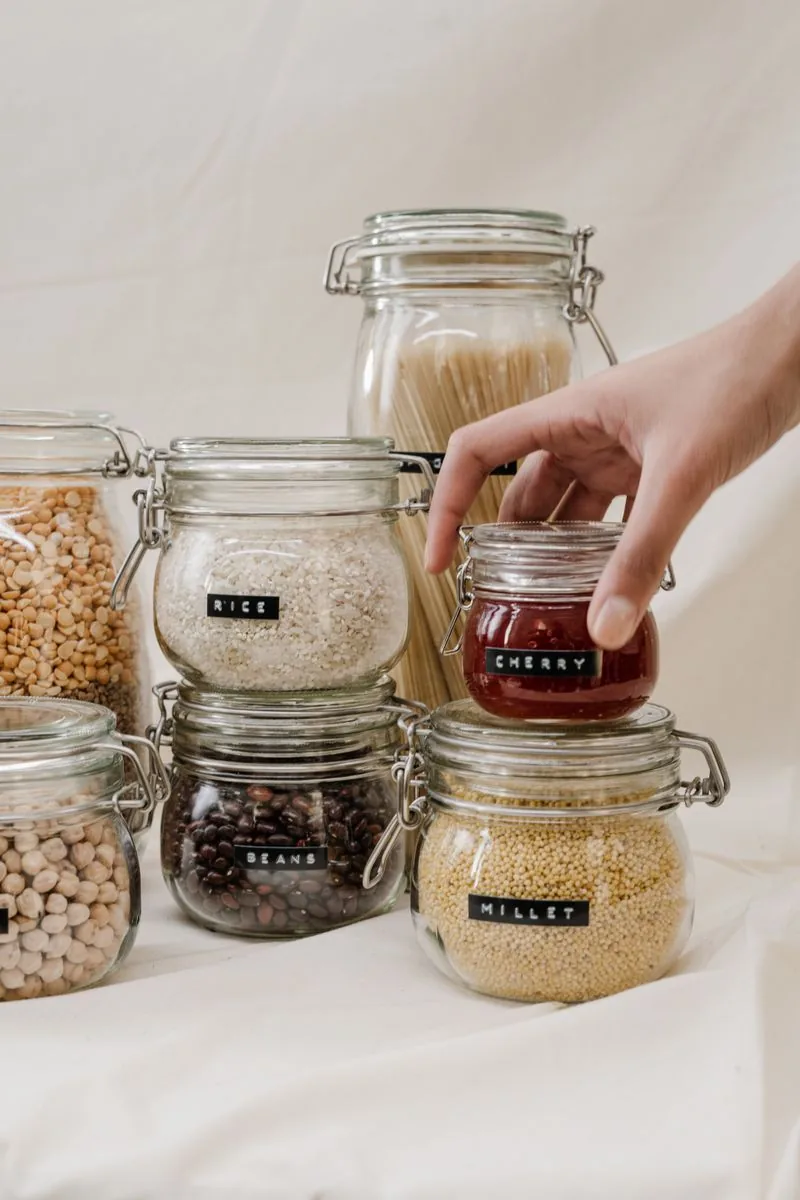
Use freezer-suitable packaging and label the contents, date and number of portions. Add any important cooking or defrosting instruction while you still have the original packet. "Vegetable soup, two portions, made 12 November" is more useful than an unmarked tub. Keep raw foods contained and separate from ready-to-eat foods during preparation and storage.
Food Standards Scotland explains that freezing pauses bacterial growth but does not kill all harmful bacteria. Defrost in the fridge and follow the food's instructions. Put a note on the container when it starts defrosting so the next person knows its history.
Treat a preservation recipe as a process
Ordinary cooking allows considerable adjustment. A method intended to make food safe for extended storage does not offer the same freedom. The FSA's home preservation advice says to follow reputable instructions exactly, including the equipment, temperatures, processing times and storage requirements.
Read the complete method before starting. Check that it specifies the food, container size, processing method and storage conditions you intend to use. A recipe explaining how to make a tasty chutney is not automatically a validated method for keeping any mixture in a cupboard. If the source does not explain storage, choose another recipe or another way to use the ingredients.
Do not infer safety from a lid pulling down or a jar making a vacuum seal. Safe canning and bottling depend on the food and the whole process. Cleaning a container is also different from applying any sterilisation step required by a particular method. Use the instructions supplied with suitable equipment and a recognised recipe; do not invent oven temperatures or processing times.
This guide does not provide a canning, fermentation or curing recipe. If you want to learn one of these methods, choose a single product and obtain specific, current instruction. Start with a small batch and keep the original recipe with your batch notes. That makes a mistake easier to identify and limits the food at risk.
Make the label part of the method
Record the recipe source, preparation date, ingredients and required storage. Include an after-opening instruction where the method provides one. Refrigerated preserves must have space in the fridge; calling something a pickle does not establish that it belongs in a cupboard.
If giving food away, tell the recipient how it must be stored and used, and identify ingredients and allergens. Do not give an uncertain batch to someone else to avoid wasting it. Damaged, bulging, leaking or mouldy containers are warning signs, but the absence of those signs is not proof of safety. The FSA advises against eating preserved food when you are unsure it was prepared safely.
Preserve what you actually eat
Keep a short inventory near the freezer or store cupboard. Cross off portions as you use them and plan a meal around the oldest suitable stock before making more. Repeatedly finding the same unwanted preserve at the back of a shelf is useful feedback: make less next time.
For the separate problem of an interrupted cold chain, read food safety in a power cut. A normal storage routine and an outage plan solve different parts of the problem.