On this page
Use one cupboard and one shopping list
A separate emergency box can sit untouched until its owner moves house. A rotating cupboard stays in use. You eat the food in ordinary meals, replace it through the normal shop and keep enough spare portions for disruption.
Start by taking stock. Count the tins and packets you already have, check their labels and identify which can make complete meals. There is little benefit in buying more tomatoes if the missing part of the menu is something ready to eat with them.
The government's Be Ready checklist recommends three days of food and encourages building supplies gradually. You do not need to buy that amount in one visit. One additional meal at a time is a workable approach when money or cupboard space is tight.
Write a stock note small enough to use
A sheet inside the cupboard door is enough. Record the item, the amount you want to keep and the point at which it goes on the shopping list. The numbers below are an example of a household system, not recommended quantities for everyone.
| Item | Usually keep | Add to shopping list when |
|---|---|---|
| Ready-to-eat pulse tins | 4 tins | 2 remain |
| Crackers | 2 unopened packs | The first pack is opened |
| Small UHT cartons | Enough for the planned breakfasts | A planned breakfast portion is used |
| Tinned fruit | Enough for the chosen menus | A meal portion is used |
Separate the unopened count from food already being eaten. Half a box of cereal may be useful tonight, but it is not the same as the full box listed in a three-day menu. Where several people share the cupboard, agree who adds the replacement to the shopping list.
Use date order, not just purchase order
New shopping does not always have the longest date. Read the date when putting it away and place the pack needing use soonest at the front. Use this simple habit for tins, cartons and packets. It takes less effort than clearing a deep shelf every few months.
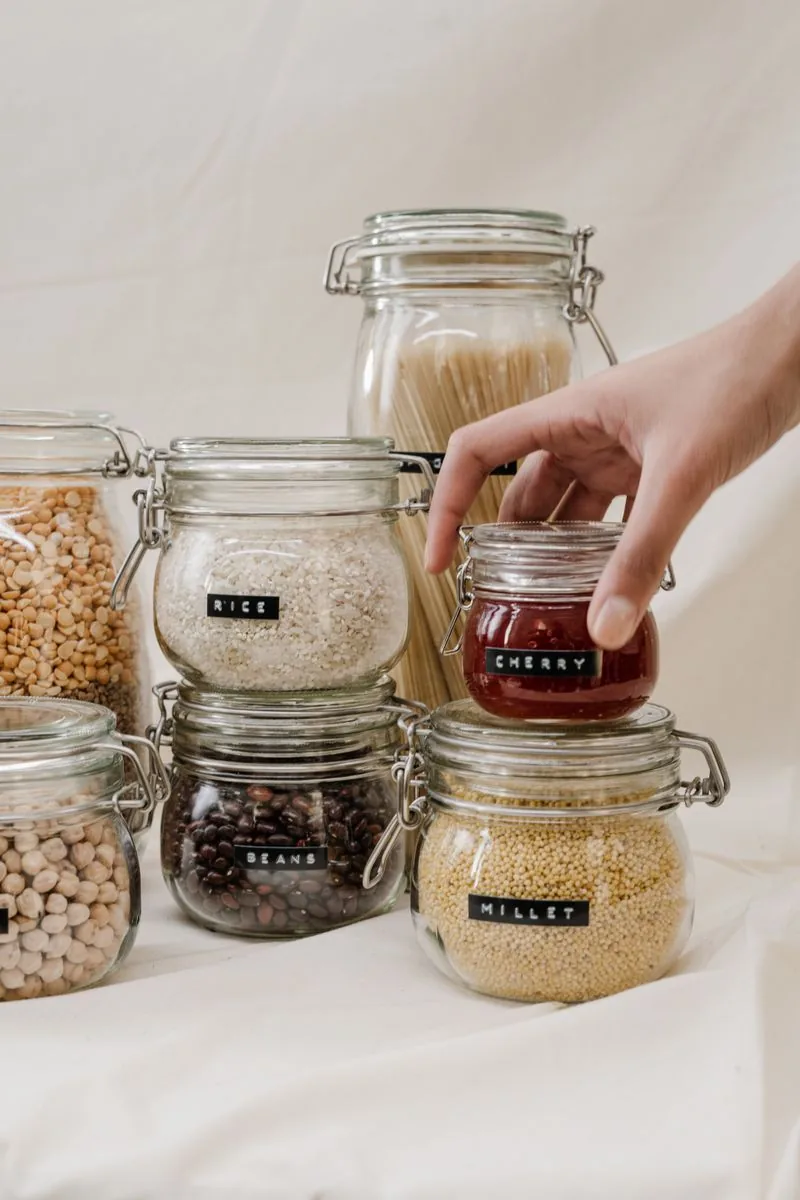
Keep original labels. If you use a separate container for dried food, retain the product identity, allergens, dates and instructions. Do not mix a new batch into an old one and lose track of which is which.
Understand the dates before deciding what needs replacing. Food Standards Scotland distinguishes best-before quality dates from use-by safety dates. Do not eat food after its use-by date. For best-before products, condition and correct storage matter too; the date is not a reason to discard every intact tin automatically.
Make bulk offers pass a meal test
Before buying a tray, ask how often you actually eat that food. A saving on twelve tins is lost if eight remain unwanted. Check whether there is room to store them properly and whether the short dates fit your normal cooking.
Pack size matters during disruption. A large tin can be good value for a family meal, while someone living alone may need a smaller tin to avoid leftovers without a working fridge. Keep both uses in mind when choosing the reserve.
Try a new product before committing to several. This is particularly useful with cold beans, grain pouches and unfamiliar spreads. Food that everyone refuses during an ordinary lunch will not become a better choice when the heating is off.
Keep some meals independent of the kitchen
Your normal cupboard may contain flour, rice and dried pulses. They can stay in the rotation, but do not count all of them as ready-to-eat emergency meals. Check the complete emergency food list for food that works without heat, and keep a usable manual tin opener.
Choose a few no-cook combinations and make sure their ingredients are covered by the stock note. When a household member takes the crackers on a trip, the shopping list should restore the meal, not just the appearance of a full cupboard.
Review while you put the shopping away
Check for leaking cartons, damaged tins, damp shelves and pest damage. Follow every product's storage instructions. The FSA's tinned-food advice explains why deep dents, bulging and other container damage need attention regardless of the printed date.
When your diet, household size or budget changes, alter the stock note. Reduce foods that are no longer being eaten instead of repeatedly throwing them away and buying them again. The aim is a few usable meals available on an awkward day, with very little extra work in an ordinary week.