
On this page
- Choose the period and count who is eating
- Measure a familiar meal once
- Check variety across the menu
- Give every meal a resource check
- Match pack size to the eating occasion
- Use an ordinary day as the trial
- Connect the menu to the weekly shop
- Common mistakes in portion planning
- Complete your menu calculation
- Sources
Six tins and two packets sound like a useful reserve until you divide them between the people at home. Tin sizes differ, some contents are drained away, and a packet's suggested serving may bear little resemblance to the meal your family normally eats. A short menu calculation removes much of that uncertainty.
This is a household planning method, not a prescribed diet or a calorie target. Use individual clinical advice where someone has diabetes, swallowing difficulties, a restricted diet or other requirements. The aim is enough familiar food, prepared safely with the resources actually available.

Full image attribution
Heinz "Beanz" Baked Beans In a rich tomato sauce.jpg — AhmedMX in; CC0. Resized and converted to WebP; source: https://commons.wikimedia.org/wiki/File:Heinz_%22Beanz%22_Baked_Beans_In_a_rich_tomato_sauce.jpg
Choose the period and count who is eating
The government's Be Ready checklist recommends preparing for three days and building supplies gradually. Use that as a manageable starting point. A household that cannot buy the full reserve at once can complete one day's menu before adding another.
Write down who is likely to be home for each meal. School and work lunches may normally be eaten elsewhere, but disruption can put everyone back in the kitchen. Include regular carers or relatives if you have agreed to provide food, and keep pet food as a separate calculation.
Do not multiply one adult portion by the number of people and assume the answer fits. A teenager, a small child and an adult with a low appetite may eat different amounts. Start from their ordinary meals and the advice they already follow.
A simple sheet with three days across the top and breakfast, lunch, dinner and snacks down the side is enough. Put names beside separate meals. Blank spaces reveal missing food more reliably than a photograph of a well-stocked cupboard.
Measure a familiar meal once
Choose a meal the household already likes. Note how much of each main ingredient you use and whether the finished amount was sufficient. This is not an instruction to restrict portions. It is a way to replace guesswork with the experience of feeding the people involved.
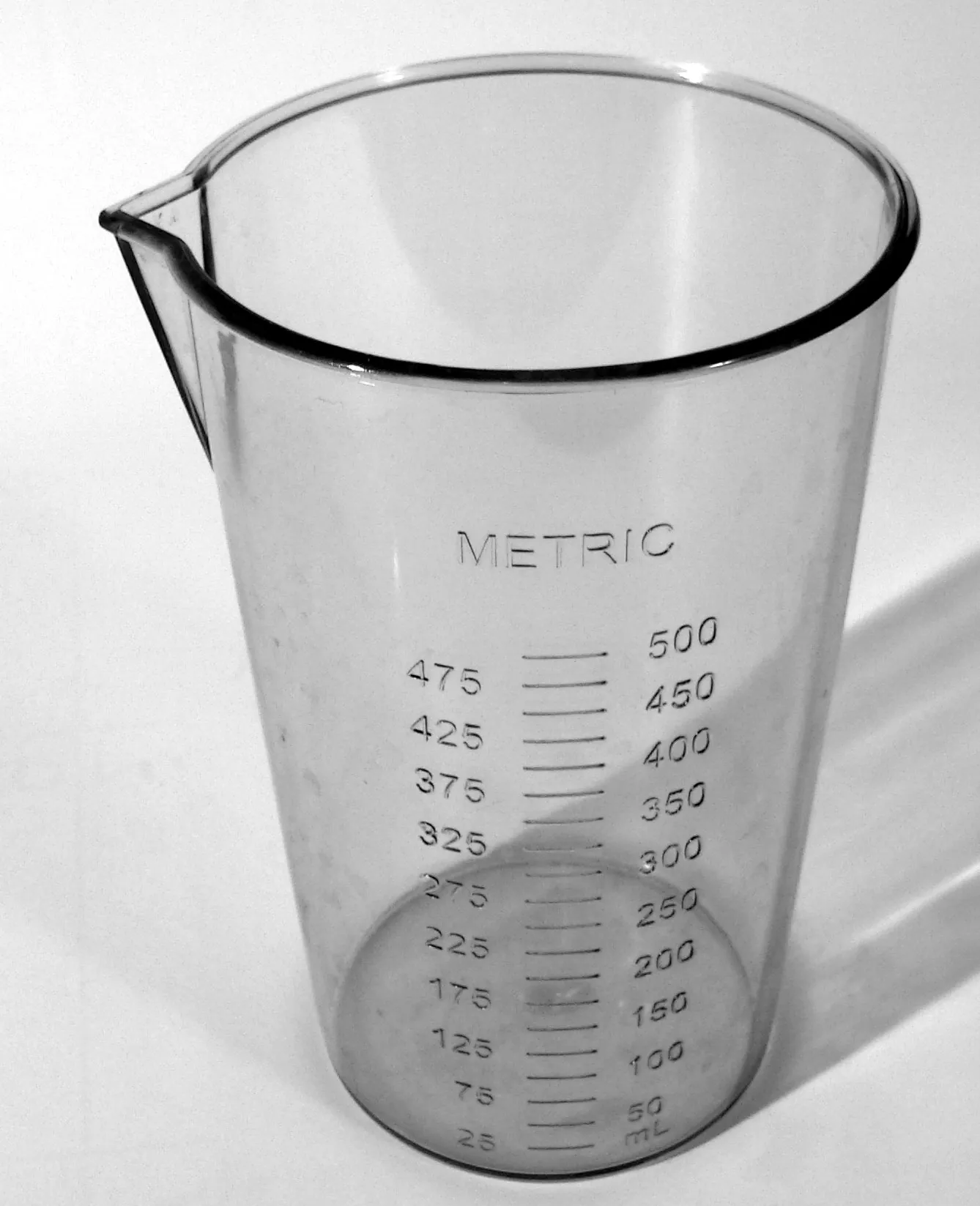
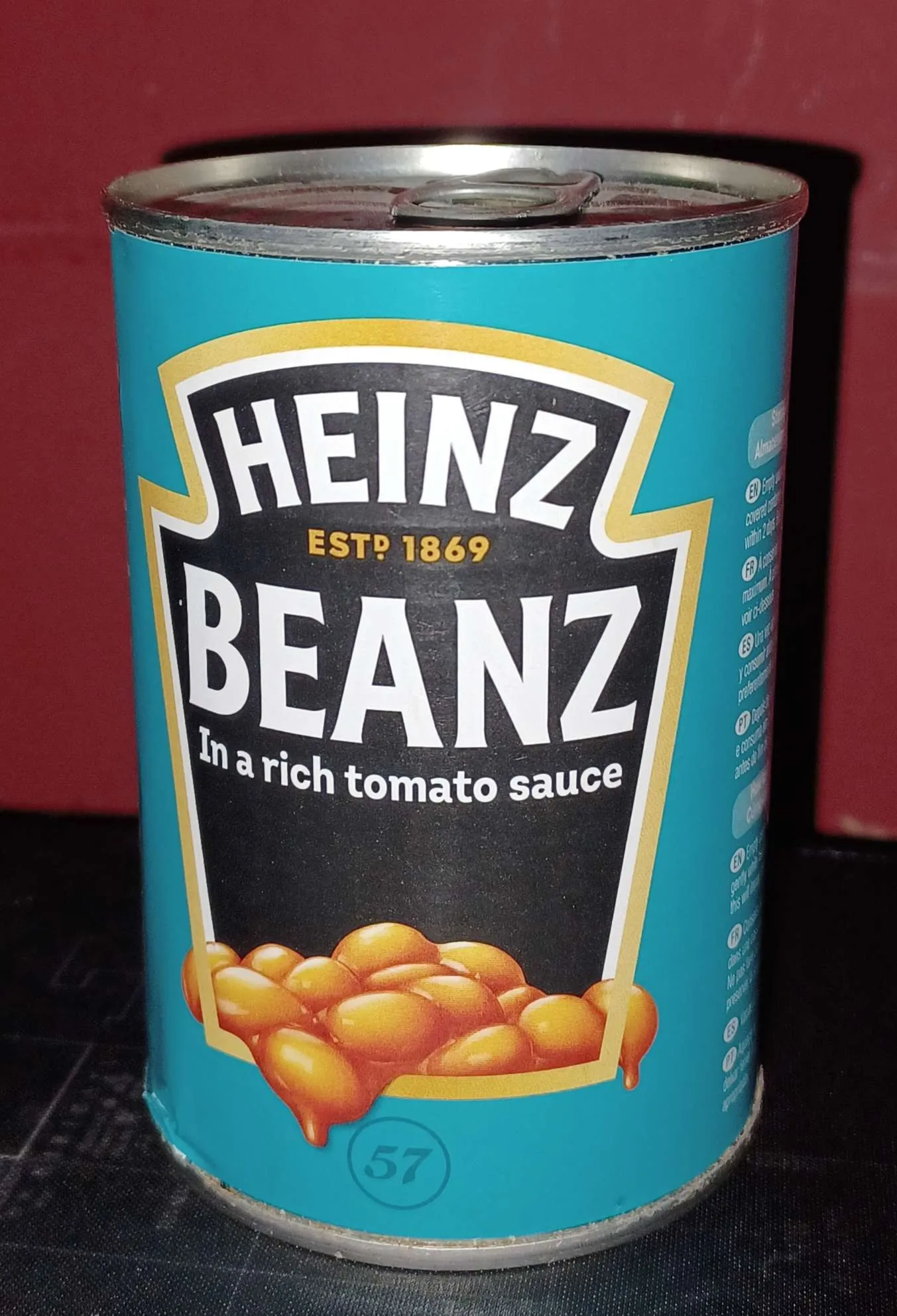
Keep the units consistent. Dry pasta weight is different from cooked pasta weight. A tin's net weight can include liquid that you normally drain. If your menu uses drained beans, use the drained quantity shown on the label where provided, or measure the edible amount during an ordinary meal.
Write down accompaniments too. Soup may be a satisfying lunch with bread or crackers but insufficient on its own. Cereal needs its suitable accompaniment; a sauce needs the food it is served with. Count drinks and cooking water on the separate water plan.
| Planning detail | Example |
|---|---|
| Observed amount used for one household meal | 300 g of an ingredient. |
| Number of planned meals using it | 3 meals. |
| Total edible amount required | 300 g × 3 = 900 g. |
| Usable amount per chosen pack | 250 g in this fictional example. |
| Packs needed | Round 900 ÷ 250 up to 4 packs. |
| Remaining check | Can the opened surplus be used safely, or should pack size change? |
Repeat the calculation only for the ingredients that determine whether the meal exists. You do not need a spreadsheet with every grain of pepper. Include essential accompaniments, dietary alternatives and preparation needs, then keep the record short enough to update.
Check variety across the menu
The NHS Eatwell Guide considers dietary balance over a day or week rather than requiring every plate to match a diagram. Use it to review the menu for starchy foods, protein sources, fruit and vegetables, and suitable dairy or alternatives.
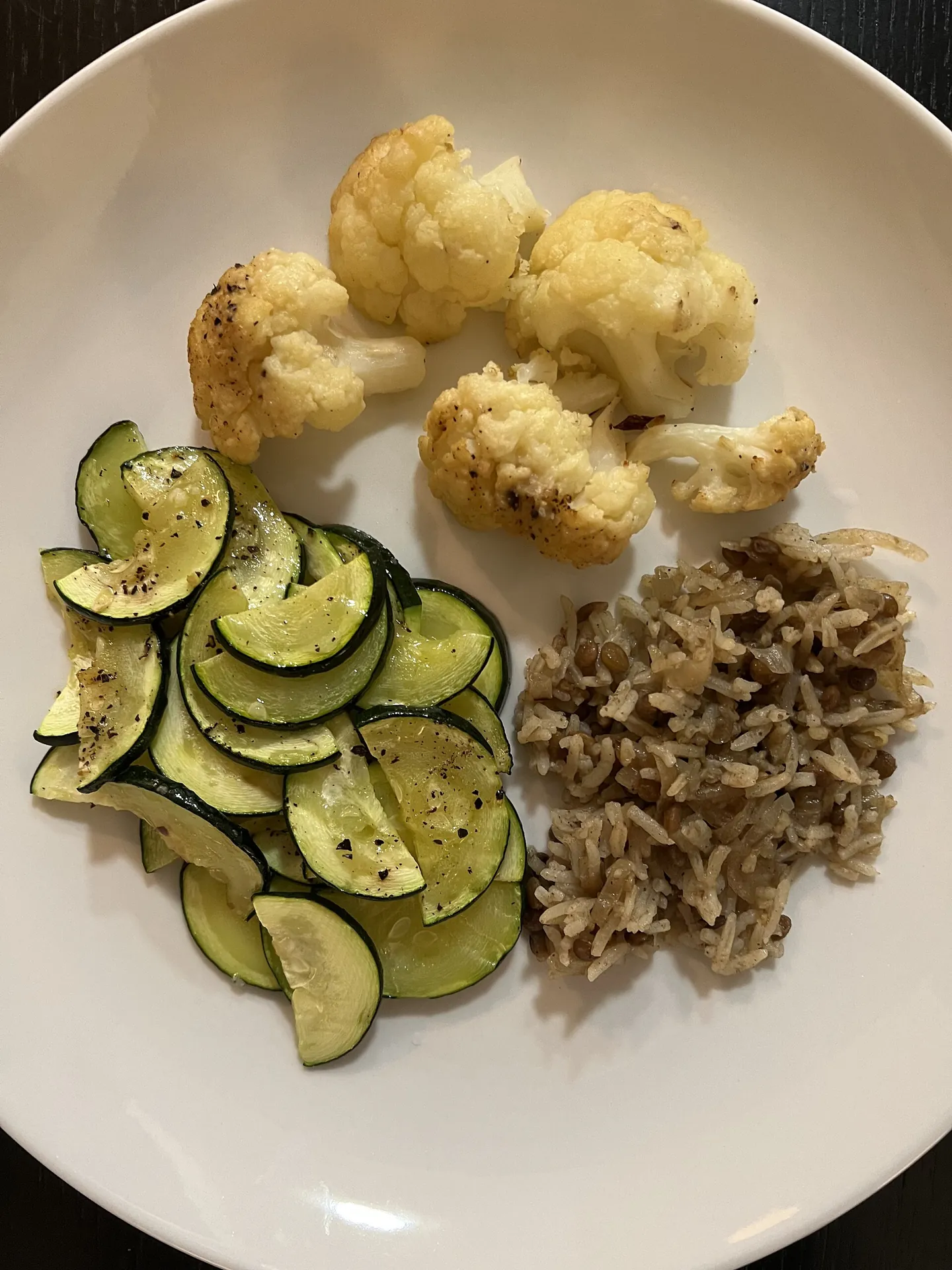
Look for a missing food group before adding more of a food you already have in abundance. Twelve meals built mainly from crackers and sweets may be easy to store, but they offer limited variety. Familiar tinned, dried and shelf-stable foods can fill gaps where their labels and individual dietary needs allow.
Food Standards Scotland explains that beans and pulses count at most once a day towards five-a-day. Do not treat three bean-based meals as three different vegetable portions. Add variety through foods the household normally eats.
Check the entire day's pattern. A person who usually eats small meals and frequent snacks needs those snacks included. Someone who finds unfamiliar textures difficult needs acceptable alternatives, not a lecture about eating whatever is available.


Full image attribution
Rolled oats.jpg — en:user:Hankwang; Public domain. Resized and converted to WebP; source: https://commons.wikimedia.org/wiki/File:Rolled_oats.jpg
Give every meal a resource check
Beside each meal, mark whether it needs cooking, safe water, refrigeration after opening, utensils or a manual opener. This often reveals the real weakness. A large stock of dry rice is of limited use if the water supply is interrupted and the only hob is electric.
Separate meals that work with the normal kitchen from those that still work without it. Our no-cook combinations provide starting points, but check the actual products rather than assuming every pouch or tin is ready to eat.
For meals needing heat, use the manufacturer's or recipe's preparation method. Do not invent a shorter cooking time because fuel is limited. If the method cannot be carried out safely, use a different meal. Read cooking without power before assuming an outdoor stove can replace the kitchen indoors.
Count water used to make drinks, rehydrate food or prepare a meal separately from the drinking reserve. The water quantity guide helps identify these extra uses. A menu that consumes much of the household water in cooking deserves a ready-to-eat alternative.
Match pack size to the eating occasion
A large pack may have a lower unit price in a particular shop, but that does not make it a useful reserve for everyone. If refrigeration is unavailable, opening a family-sized carton for one small serving creates a storage problem. Choose a pack the people present can finish as intended.
Compare complete meals, not just individual prices. A cheap ingredient that requires a long cook, several other ingredients and extensive washing-up may be less practical than a familiar ready-to-eat alternative. Use actual shelf prices if comparing costs; no universal budget fits every household or dietary requirement.
For shared meals, decide how food will be divided before opening everything. Serve an appropriate portion to each person and retain unopened reserves for later meals. Do not open several alternatives simultaneously to discover which one a child likes.
The special-diet guide covers labelled substitutions and separate portions. Keep those calculations visible. Food suitable for other household members cannot make up a shortage of the one person's required meal.
Use an ordinary day as the trial
Imagine two adults normally buy lunch near work. For a three-day disruption plan, they choose cereal with suitable small cartons for breakfast, a ready-to-eat lunch with crackers, and a familiar evening meal. They measure one normal lunch and realise that a single tin previously counted as two lunches only works when accompanied by other food.
They add the missing accompaniment, then check the evening meal. It depends on an electric hob, so they plan a separate no-cook dinner for the same people. They do not count both dinners as extending the reserve unless they have also accounted for the remaining breakfasts and lunches.
Finally, they serve one reserve lunch on a normal day. This checks appetite, packaging, opening and clean-up without cutting utilities. The result may be a different pack size or an extra food item, rather than a larger overall stock.
The useful measure is the number of complete planned days, not the largest calorie number that can be assembled from unrelated tins. There can still be flexibility, but it should be deliberate.

Full image attribution
Liat Portal for Foodie Disorder - Vegan Meal with Zucchini, Cauliflower, and Lentil Rice.jpg — HaJunkiyada; CC BY-SA 4.0. Resized and converted to WebP; source: https://commons.wikimedia.org/wiki/File:Liat_Portal_for_Foodie_Disorder_-_Vegan_Meal_with_Zucchini,_Cauliflower,_and_Lentil_Rice.jpg
Connect the menu to the weekly shop
Once the quantities work, set a minimum stock for the foods in the plan. When an ingredient is used in normal meals, add it to the shopping list. The rotating cupboard guide explains this simple replacement routine.
Check that substitutions still provide the planned edible quantity. A smaller pack can look almost identical on the shelf. If a recipe or appetite changes, revise the menu rather than maintaining an obsolete number because it is already written down.
A freezer can add convenient meals for ordinary disruption such as illness or a missed shopping trip. Treat it as a separate reserve with electricity and reheating dependencies. Our freezer stock-control guide shows how to count finished portions without confusing them with ingredients.
Common mistakes in portion planning
Do not count total tin weight as edible weight when liquid will be discarded. Do not count a packet's nominal serving as a complete meal without checking what accompanies it. Do not assume a child's current portion will remain suitable through the next year.
Avoid planning solely around adult calorie averages. Such figures do not describe everyone's needs, and they say little about food someone can chew, tolerate or prepare. Where a clinical team sets nutritional requirements, use those requirements and ask how to manage disruption.
Keep a little practical flexibility through an additional familiar meal if budget and space allow. Label it as an extra. It should not disguise missing regular meals or become a reason to buy a large quantity of something nobody usually eats.
Complete your menu calculation
- Count the people present at each planned meal.
- Choose familiar breakfasts, lunches, dinners and needed snacks.
- Measure an ordinary meal and use consistent edible quantities.
- Multiply by the number of meals, then round to actual packs.
- Check variety and individual dietary requirements.
- Identify cooking, water, refrigeration and opening needs.
- Trial one meal without changing normal safety arrangements.
- Write the replacement shopping list and review it when needs change.
Sources
Primary sources checked on 2 November 2026. Incident instructions and individual care plans take precedence where relevant.