Emergency food when your household has allergies or a special diet
Build a labelled emergency menu for allergies, coeliac disease and other dietary needs, with safer substitutions and shared-kitchen checks.
The UK reference library
Build a usable food reserve around dietary needs, portions, moisture control, pest prevention and safe freezer routines.
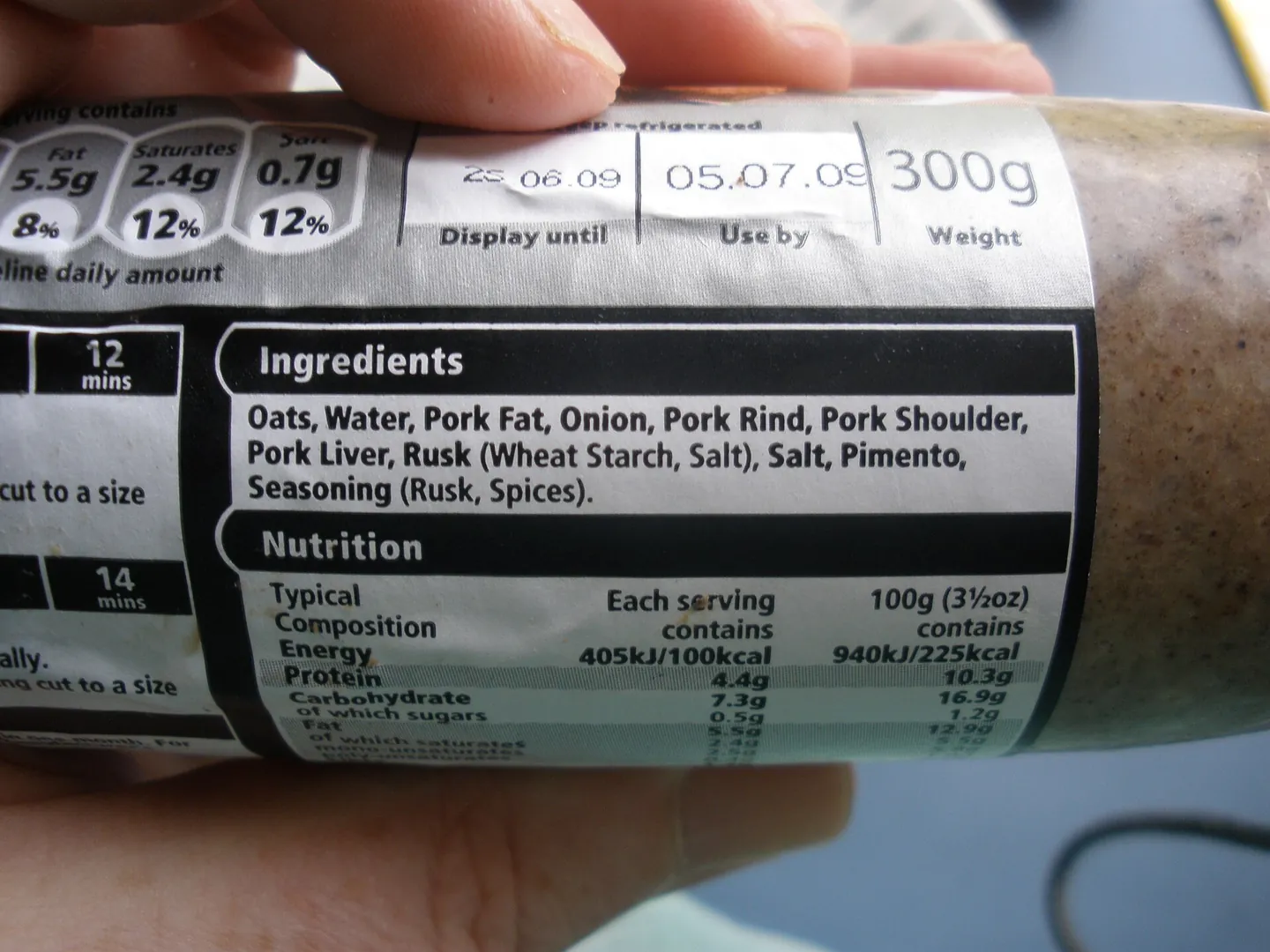
White pudding ingredients label.JPG — O'Dea; CC BY-SA 4.0. Resized and converted to WebP; source: https://commons.wikimedia.org/wiki/File:White_pudding_ingredients_label.JPG
Food preparedness works when the stored food suits the people eating it. Start with dietary requirements, then look at packaging, portions and the conditions in your cupboards. The guides here address decisions that a general shopping list cannot answer. They also cover a managed freezer reserve, whose usefulness depends on safe preparation and a separate plan for loss of electricity. Use familiar meals and check the instructions on the actual food you buy.
Build a labelled emergency menu for allergies, coeliac disease and other dietary needs, with safer substitutions and shared-kitchen checks.
Inspect dry food, contain pantry moths and beetles, clean cupboards and reduce repeat infestations without spraying pesticides near food.
Choose original packs, jars and food-grade containers for dry food, keep labels and prevent moisture without inventing longer shelf lives.
Turn familiar meals into a realistic emergency food quantity, allowing for portions, drained weights, cooking water and pack sizes.
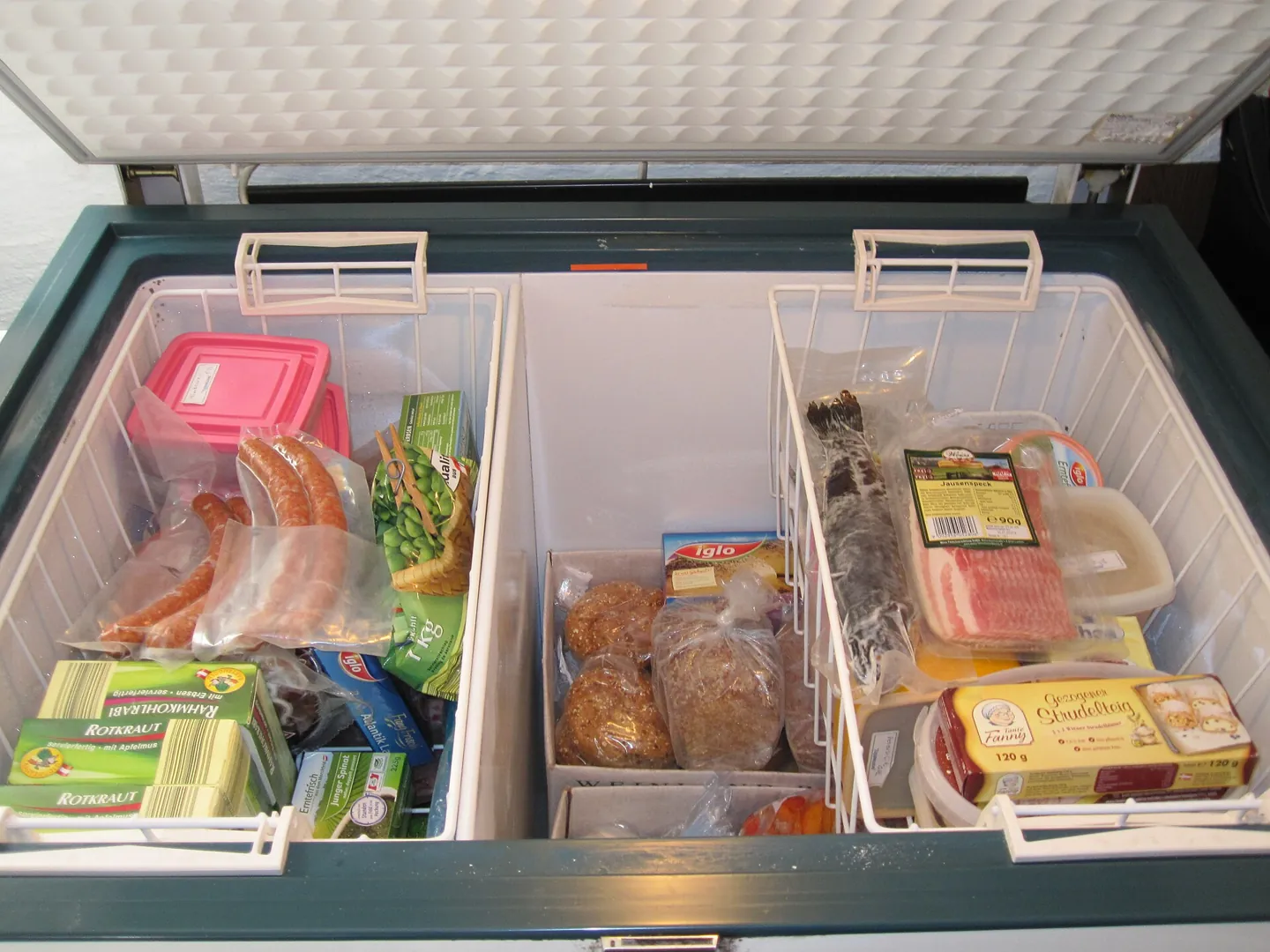
Build a manageable freezer meal reserve with safe cooling, clear labels, useful portions and an inventory that prevents forgotten food.