

On this page
- Identify the failure before choosing the repair
- Check compatibility before buying patches
- Apply a temporary patch carefully
- Be cautious with general-purpose tape
- Deal with small mechanical problems
- Let the repair change the route
- A wet campsite example
- Maintain the item after the trip
- A useful small repair kit
- Questions people ask
- Sources
A small tear in a jacket is inconvenient at a sheltered campsite. The same tear on a cold, wet ridge can change the safe length of the day. Before opening a repair kit, decide whether you have somewhere suitable to work and enough remaining protection to reach shelter.
This guide covers temporary repairs to ordinary walking clothing and light equipment. It excludes climbing equipment, load-bearing straps used for safety, rescue systems and structural repairs whose failure could injure someone. A neat patch cannot restore an unknown safety rating.


Full image attribution
Duct-tape.jpg — Evan-Amos; Public domain. Resized and converted to WebP; source: https://commons.wikimedia.org/wiki/File:Duct-tape.jpg
Identify the failure before choosing the repair
Lay the item on a clean surface in a sheltered place if possible. Look for a puncture, an open tear, peeling seam tape, a broken zip or widespread fabric deterioration. Those faults need different responses. Do not cover the whole area with tape before you understand where water is entering.
A damp inner layer does not automatically prove a hole in the membrane. Moisture can enter through an open neck or cuff, and heavy exertion can leave clothing damp. Check the obvious openings and visible damage without conducting an elaborate experiment in bad weather.
Ask what the item needs to do during the next part of the journey. A tiny tear low on an overtrouser leg may have a different consequence from a failed jacket front zip in driving rain. The decision is about remaining protection, route and exposure, not whether the damage looks expensive.
| Fault | Possible immediate response | Later action |
|---|---|---|
| Small clean tear in compatible fabric | Apply an approved repair patch following instructions. | Inspect and ask about a durable repair. |
| Main zip no longer closes | Use safe shelter and reassess the route; do not force it. | Repair service or manufacturer assessment. |
| Seam tape peeling widely | Protect essential dry layers and shorten exposure. | Professional assessment of garment condition. |
| Broken bootlace | Fit a suitable spare and check secure fit. | Inspect eyelets and replace worn laces. |
| Safety-critical strap damaged | Stop using it for its safety function. | Manufacturer advice or replacement. |
Check compatibility before buying patches
Keep the garment model and care instructions with your kit records. Identify whether the manufacturer recommends a particular patch or repair service. Waterproof fabrics, coatings and laminates are not interchangeable, so a patch advertised for outdoor use may not suit every item in your pack.
Read the patch instructions for surface preparation, application temperature, pressure and waiting time. Some repairs need conditions unavailable on a wet hill. Do not promise yourself an instant bond just because a product is self-adhesive. Keep the packaging or a clear photograph of its instructions.
For a group, label repair materials by intended use. An unmarked strip of adhesive in a bag gives the next person no way to check compatibility. If a patch has an expiry or storage requirement, include that in the regular kit review.
Apply a temporary patch carefully
Rab's GORE-TEX repair guidance treats patching as a temporary field measure: clean the area, choose a suitable patch and smooth it down without bridging stitching. Follow the instructions for your exact garment and patch if they differ.
- Find a safe place to work and keep the person warm while the garment is off.
- Remove loose dirt gently and dry the area as far as the instructions require.
- Bring the torn edges together without stretching the fabric or overlapping them into a lump.
- Choose a patch large enough for the required margin around the damage.
- Apply it using the maker's method, avoiding wrinkles and trapped grit.
- Press and wait for the stated time before bending or loading the area.
- Inspect the edges and reassess whether the item provides enough protection for the return.
Do not add solvents or heat unless the manufacturer explicitly permits them for that material and situation. A camping stove, flame or hot cooking pot is not an appropriate patch-heating tool. Keep adhesives away from food, skin and children and follow their labelled handling instructions.
If the patch lifts immediately because the fabric remains wet or dirty, recognise that limit. Repeatedly applying more tape may waste the material without producing a dependable repair. Protect dry layers and choose the shorter safe route or seek help if you cannot continue safely.

Full image attribution
Sewing needle with two threads.jpg — W.carter; CC BY-SA 4.0. Resized and converted to WebP; source: https://commons.wikimedia.org/wiki/File:Sewing_needle_with_two_threads.jpg
Be cautious with general-purpose tape
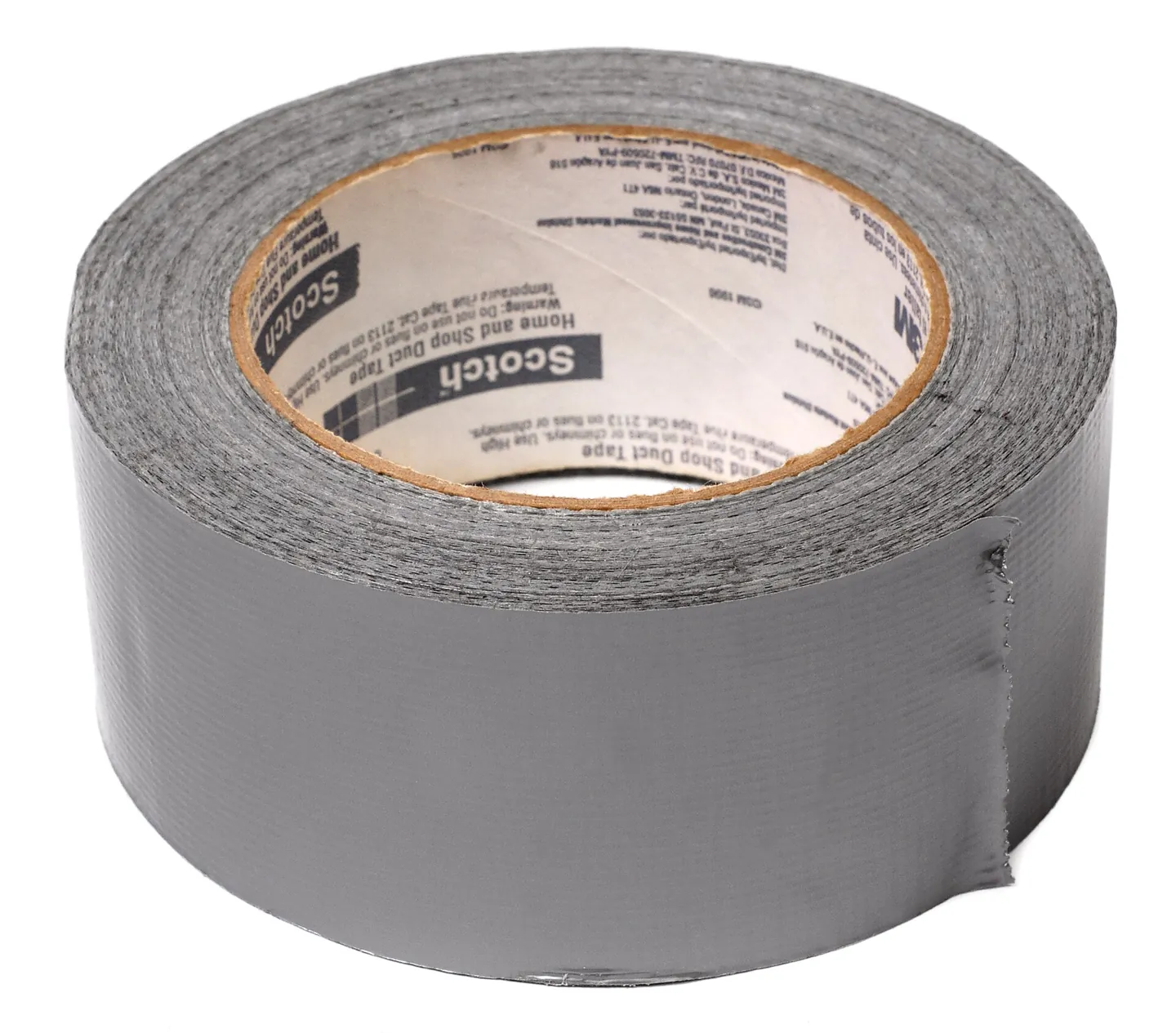
Strong tape can leave residue and may make later repair harder. GORE-TEX's repair service advises against heavy-duty tape for marking damage because of adhesive residue. That is a reason to pack suitable patches rather than assuming duct tape is harmless on every waterproof.
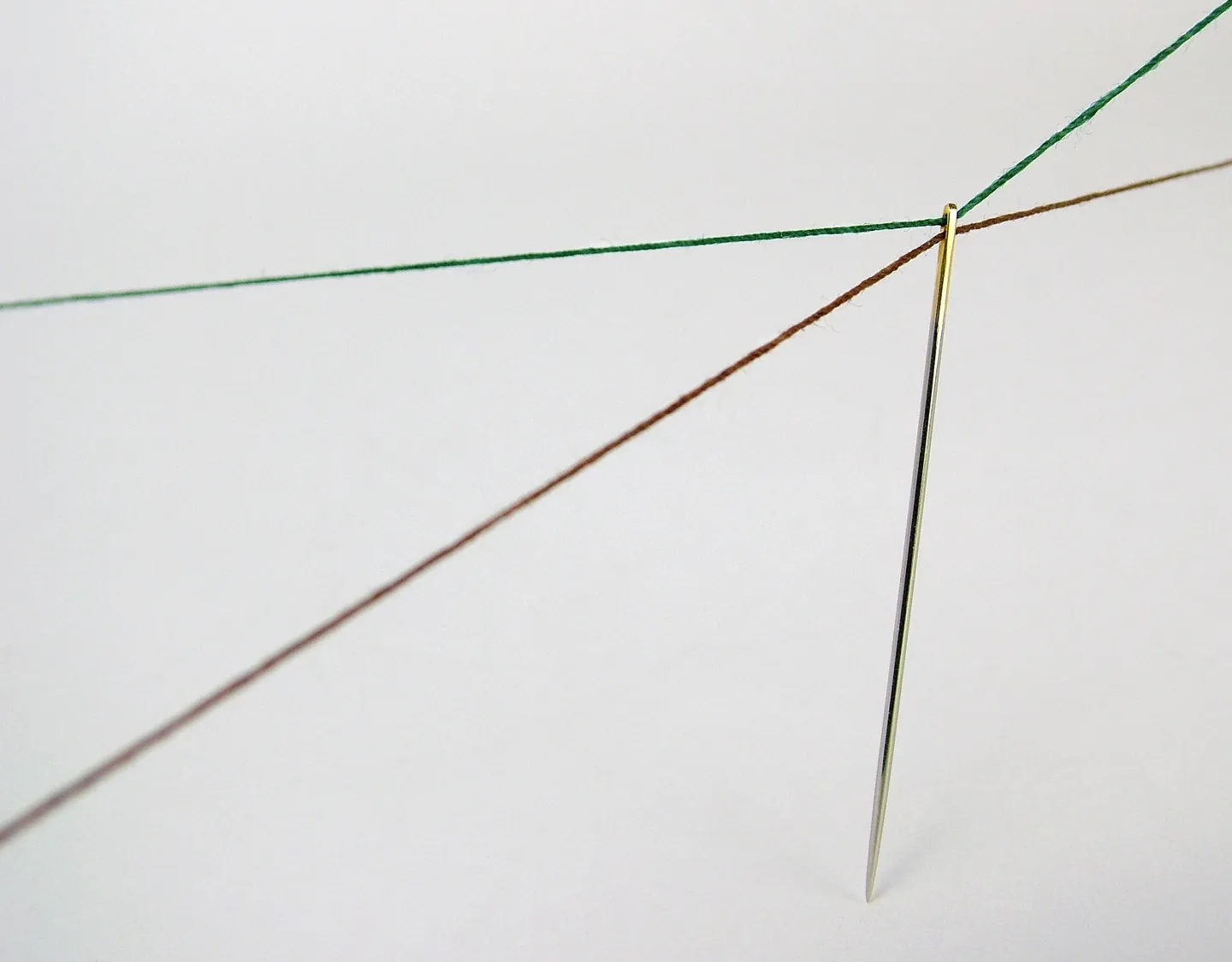
Do not sew through a waterproof panel as an automatic first response. Needle holes and local strain can add new leakage paths. A sewing kit is useful for many ordinary fabric tasks, but damaged membrane panels and seam sealing need appropriate methods.
Keep temporary work modest and traceable. Photograph the original damage if practical, note the repair material and tell a later repair service what you used. Do not remove stubborn adhesive aggressively before asking for advice; pulling or scraping can enlarge the damage.
Deal with small mechanical problems
If a zip is stuck on fabric, stop pulling. Support the garment and gently free the trapped material if it is visible and reachable. Do not use a blade beside the waterproof panel while wearing it. A missing pull tab is different from teeth that no longer engage or a slider that has failed.
A short cord pull can help operate an otherwise working zip, provided it cannot snag dangerously. It does not repair damaged teeth or restore a weather seal. For light cord tasks, use the limits in practical knots for everyday repairs. Do not improvise body-supporting or safety-critical connections.
Carry a suitable spare bootlace if your footwear uses them. Check the replacement through the eyelets and walk a few steps on safe ground before continuing. A lace that is too short, excessively slippery or badly routed may leave the foot unsupported even though it appears tied.
Inspect pack buckles before a trip and use manufacturer-compatible replacements where relevant. A temporary tie on a small accessory pocket is a different matter from a failed main carrying system. If the load no longer sits securely, reduce it or change the outing instead of forcing an uncomfortable, unstable arrangement.
Let the repair change the route
After the repair, reconsider the time spent stopped, the weather and the distance to shelter. Do not resume automatically because the equipment now looks tidy. A patch made in calm conditions may be tested by flexing, rain and pack movement on the next section.
Use weather observation to assess what has changed. If protection remains doubtful and conditions are worsening, take a known safer return while it is available. Do not choose an unplanned steep descent merely because it appears shorter on a phone screen.
The navigation principles in map and compass basics still apply. Confirm the route and hazards before moving. A broken jacket does not make an unfamiliar stream crossing or cliff path a sensible shortcut.
A wet campsite example
Imagine a walker catching a sleeve on a rough gate during the first day of a weekend trip. At a sheltered campsite they find a small tear away from seams. They use a compatible patch according to its instructions, then check that the edge remains down when the elbow bends.
The next day's forecast is much wetter and windier. They choose a shorter low-level route with easy exits rather than relying on the patch through a long exposed circuit. At home, they contact the manufacturer with photographs and the material used. This is a successful temporary repair even though it did not preserve the original itinerary.
If the tear had crossed a seam or the fabric were deteriorating in several places, the same patch might not be appropriate. The presence of a repair kit is not a promise that every failure can be fixed in the field.


Full image attribution
Old friends.jpg — Herbythyme; CC BY-SA 4.0. Resized and converted to WebP; source: https://commons.wikimedia.org/wiki/File:Old_friends.jpg
Maintain the item after the trip
Clean and dry equipment according to its instructions. GORE-TEX's care guidance distinguishes between product types and says to follow the garment manufacturer's label. Do not apply one washing temperature, reproofing treatment or heat method to every waterproof in the household.
Water repellency on the outer fabric and an intact waterproof barrier are different things. A treatment intended to restore beading does not sew a torn panel together or replace failed seam tape. Identify the actual problem before buying a cleaning or proofing product.
Ask a repair service what can be repaired and what the assessment covers. Keep realistic expectations: some damage is beyond practical repair. Until the item is ready, replace its role in your kit or choose activities that do not depend on it. A damaged jacket should not drift back into the household emergency kit simply because it has been folded neatly.
A useful small repair kit
- Compatible patches with readable instructions.
- A suitable spare lace or other manufacturer-approved simple spare.
- A clean dry bag for materials and packaging.
- A way to trim a patch only if its instructions require it.
- The garment model and repair-service details saved offline.
- A plan for remaining warm while working.
- A clear decision to shorten the trip when protection is inadequate.
- A reminder to replace used materials and arrange lasting repairs.
Questions people ask
Can I use a waterproofing spray on a tear?
No. A treatment for surface water repellency does not close physical damage. Use the manufacturer's repair method and assess whether the garment remains suitable for the outing.
Should I remove the temporary patch before sending the jacket away?
Ask the repair service first. Explain the patch type and how long it has been attached. Removing it without advice may pull at the damaged fabric or leave residue that complicates the repair.
Sources
Research checked on 2 November 2026. These sources support the safety points; examples and planning worksheets are original editorial guidance.