Four practical knots for shelter and everyday repairs
Practise a reef knot, bowline, clove hitch and round turn with two half hitches for low-risk tasks, with clear checks and limits.
The UK reference library
Practise useful knots, rescue signalling, weather observation, route planning and temporary outdoor kit repairs.
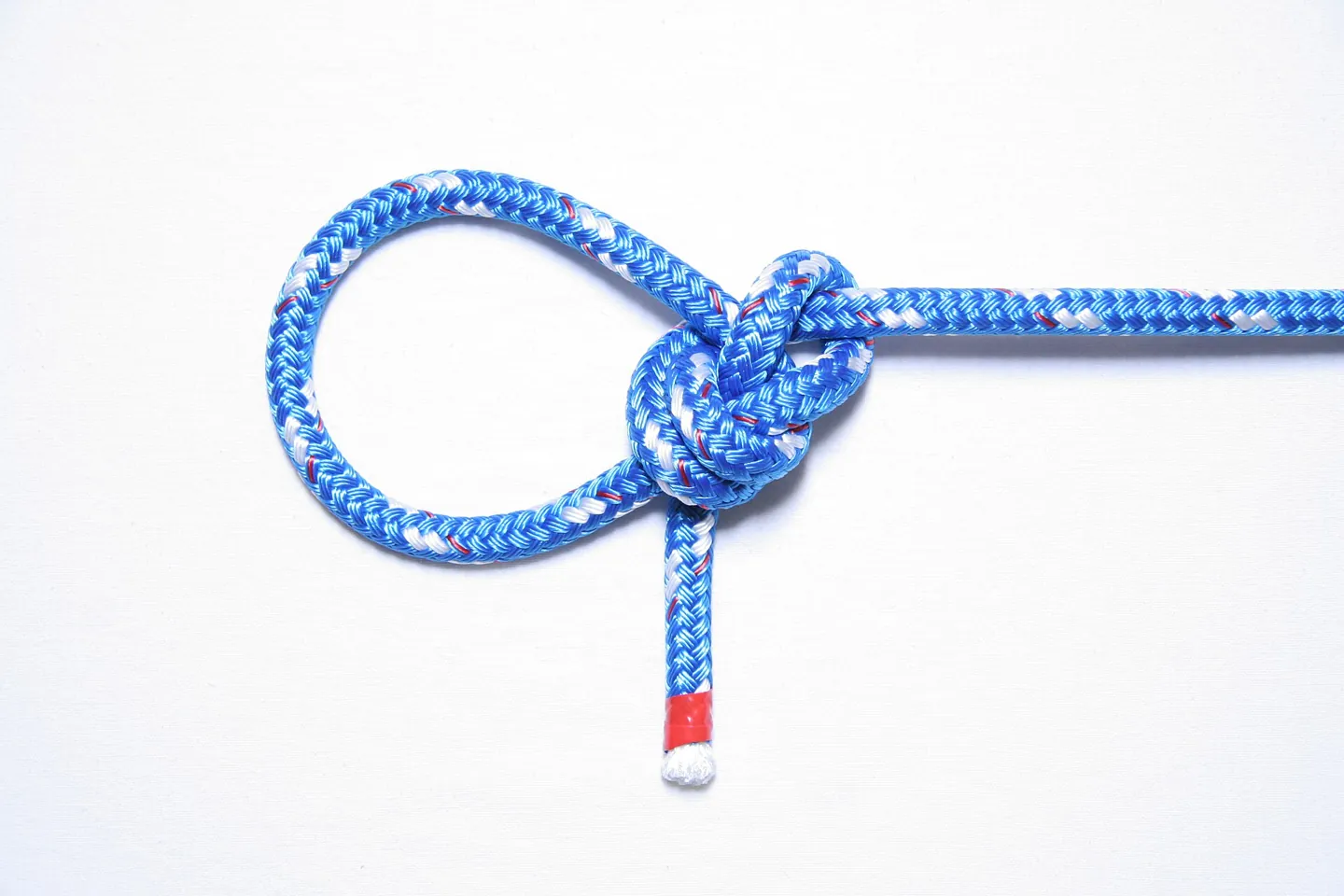
Knot-bowline double-ABoK 1013-USCG.jpg — USCG PTC Developer; CC BY-SA 4.0. Resized and converted to WebP; source: https://commons.wikimedia.org/wiki/File:Knot-bowline_double-ABoK_1013-USCG.jpg
Small skills become useful through ordinary practice. Work on knots at home, write a route card before an easy walk and learn what your repair materials can safely do. These guides set clear limits: non-life-support knots are not climbing anchors, observation does not replace a forecast, and signalling equipment does not guarantee rescue. Take one skill at a time and practise in conditions where a mistake has a small consequence.
Practise a reef knot, bowline, clove hitch and round turn with two half hitches for low-risk tasks, with clear checks and limits.
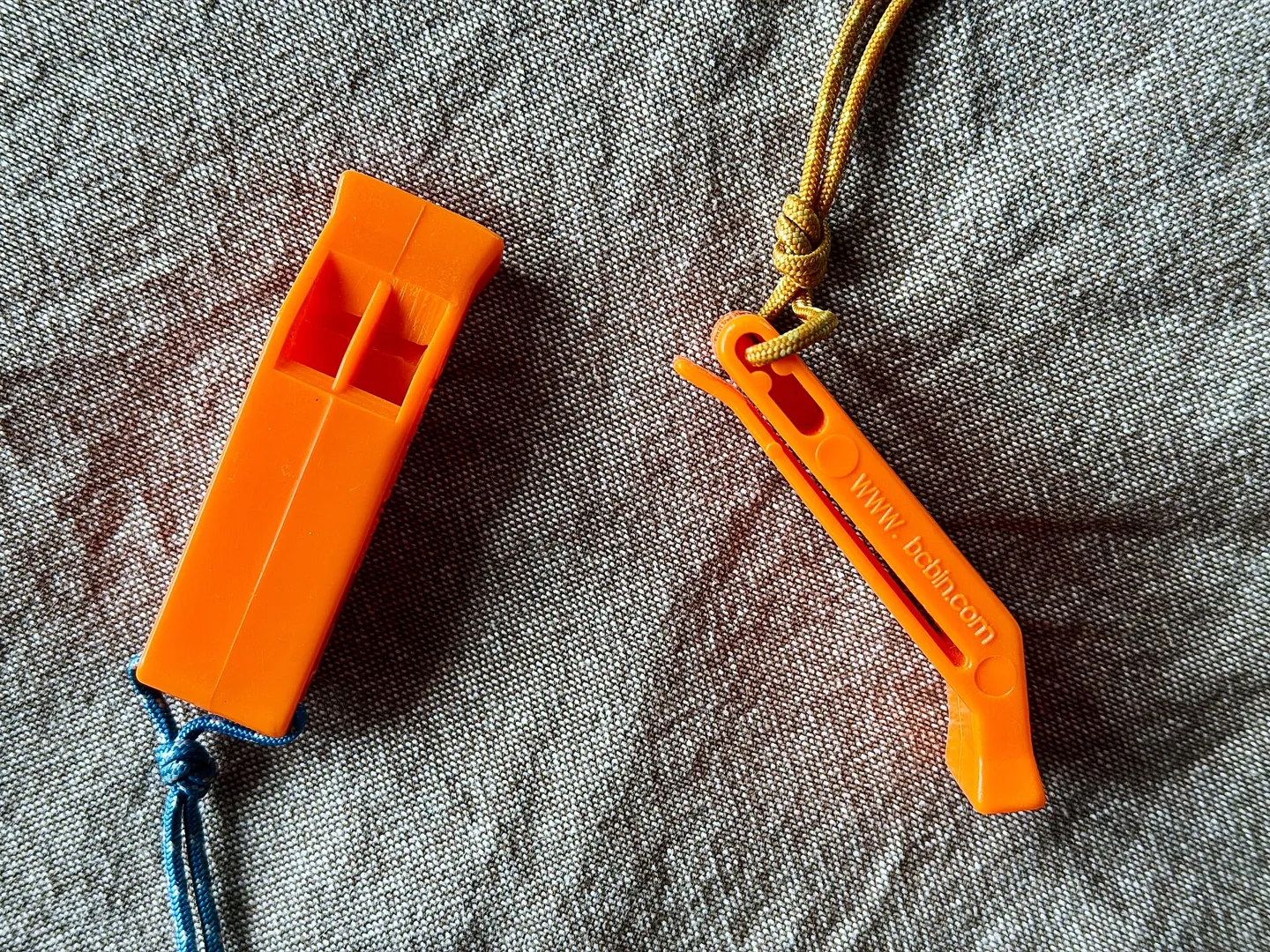
Know who to call, describe your location and use a whistle or torch when you need help on a UK walk, without relying on signal guarantees.
Compare forecasts with cloud, wind, rain and group progress on a UK walk, then make clear decisions before conditions remove your options.
Assess a torn waterproof, make a compatible temporary patch and decide when damaged clothing or equipment means ending the trip.
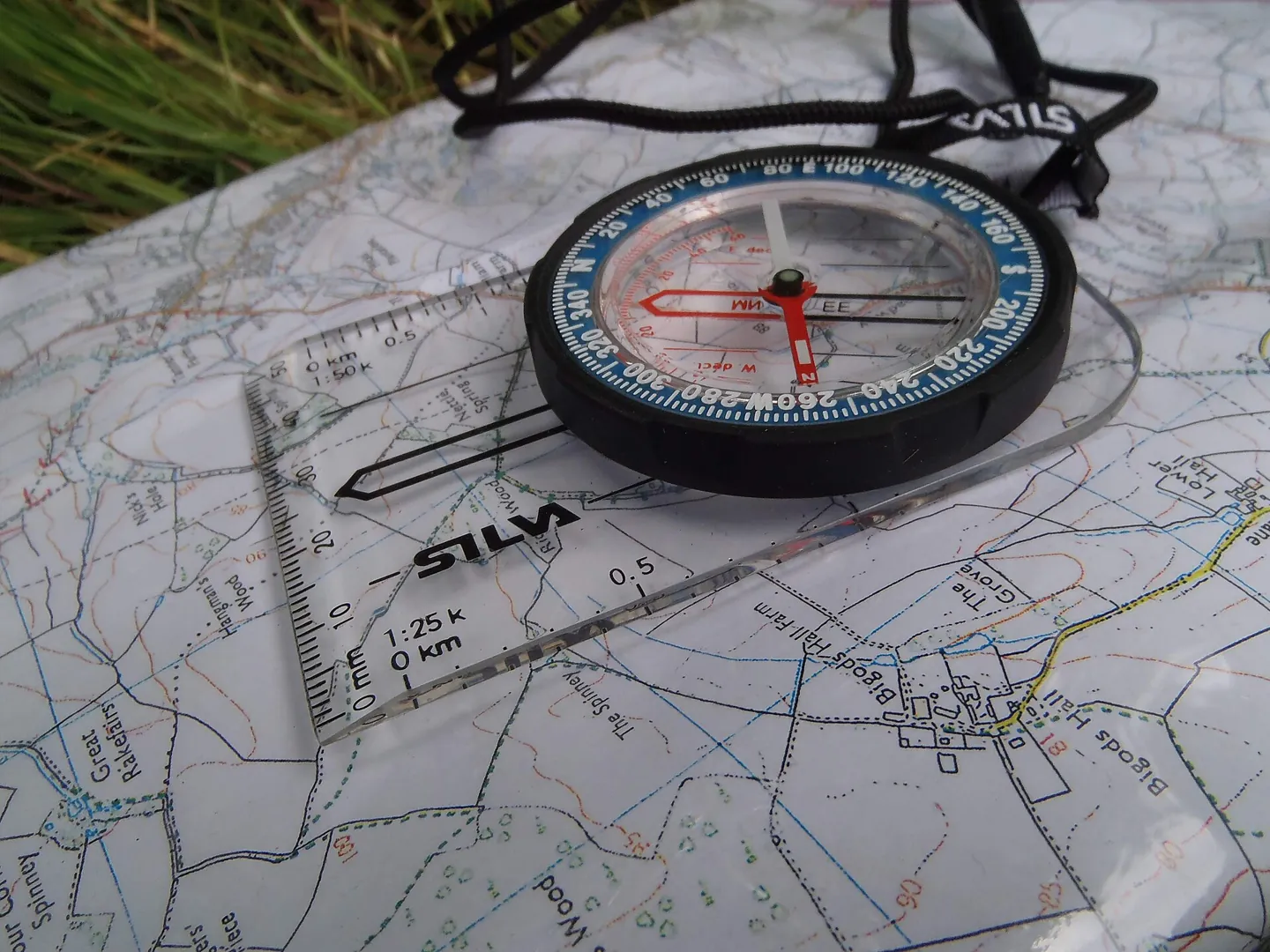
Write a practical UK walking route card with checkpoints, realistic timing, safe alternatives, contact arrangements and a clear turnaround plan.