
On this page
- Check whether you can return
- Give the first visit a limited purpose
- Keep utilities off until checked
- Create evidence without delaying safety work
- Agree who should do the clean-up
- Sort disposal through the right service
- Let the drying plan suit the building
- Protect daily routines during recovery
- Recovery checklist
- Questions people ask
- Sources
The water has gone down, but your home may still be unsafe. Electrical equipment, weakened materials and contamination can remain after the obvious flood has disappeared. Recovery works better when you separate permission to enter from permission to switch things on, clean rooms or move back in.
If the water came from an internal plumbing failure, use the burst pipe first steps to arrange isolation and repair. The source of the water changes the investigation, but does not remove the need to assess wet electrics.
Keep children, pets and anyone unable to avoid contaminated areas somewhere safe while the first checks happen. A short visit to collect photographs is different from spending the day stripping carpets. Decide which task is authorised and safe before arriving with helpers.

Full image attribution
Flood cleanup downtown Montpelier VT July 2023 02.jpg — Artaxerxes; CC BY-SA 4.0. Resized and converted to WebP; source: https://commons.wikimedia.org/wiki/File:Flood_cleanup_downtown_Montpelier_VT_July_2023_02.jpg
Check whether you can return
GOV.UK advises checking with emergency services that it is safe to return to your property. Follow cordons and local instructions. An open road does not certify every building beside it. If you were evacuated, find the official return information rather than relying on a neighbour's decision to go back.
Check for further flood warnings and problems on the approach. A footpath, bridge or drain cover may have changed beneath the water. Do not walk or drive through remaining floodwater to reach the front door. Tell the relevant service if you cannot access the property safely.
For coastal homes, use the coastal flooding guide to remember the next tide and local access restrictions. Inland, a quieter river does not mean surface-water routes are clear. Recovery is still happening within a changing incident.
Give the first visit a limited purpose
Make the first safe visit about assessment and essential information. Carry a charged phone, battery torch, contact details and suitable footwear. Tell someone where you are going and when you expect to check in. Avoid arriving with a car full of volunteers before you know which spaces are usable.
Look for obvious structural damage from a safe position. Sagging ceilings, unstable walls, displaced floors and damaged stairs need professional assessment. Do not test a floor by stepping on it or pull a swollen door hard enough to disturb the surrounding structure.
If you smell gas, see sparks, encounter suspected live electrical equipment or discover someone in immediate danger, leave and contact emergency services or the appropriate emergency utility service. Do not investigate by operating switches. A family member's confidence with DIY is not a substitute for the relevant competence.
| Decision | What you need to establish |
|---|---|
| Enter the area | Official access restrictions and safe approach. |
| Enter the building | Return advice and any necessary structural assessment. |
| Restore utilities | Appropriate utility or qualified engineer checks. |
| Clean or remove materials | Insurer or landlord arrangements and contamination precautions. |
| Move back in | Habitable conditions, usable services and agreement on remaining work. |
Keep utilities off until checked
Natural Resources Wales advises against turning on electricity, gas or water without professional advice. Wet appliances and circuits need appropriate assessment. A socket that looks dry or a boiler that starts is not proof that it is safe.
Do not repeatedly reset a tripping circuit, plug a wet appliance into a different socket or use an extension lead across a damp room. If the supply was not isolated, tell the qualified professional before entry. Do not attempt to reach the consumer unit through water.
Ask the relevant engineer what has been checked, what remains isolated and what can be used. Record the answer by room or appliance if necessary. A general comment that the house has power again can easily be misunderstood by a helper who then plugs in a damaged freezer.
Water supply restoration also needs the supplier's current advice. Appearance and smell cannot establish drinking-water safety. Follow any notice issued for the area. If unusual colour, taste or smell appears, stop using it for drinking and food preparation and contact the company for instructions.
Create evidence without delaying safety work
Contact your insurer promptly and ask about the next steps, emergency accommodation and authorised contractors. If you rent, notify the landlord as well as your contents insurer where applicable. Keep the claim reference and a dated record of who said what.
Once entry is safe, photograph the affected rooms and items before moving them. Use wide views for context and closer images for model labels or damage. Write down the room, item and visible effect. You do not need a polished inventory on the first day; a simple consistent record is easier to extend later.
GOV.UK recommends discussing what you can move or discard with your insurer. Ask for explicit instructions about unsafe or contaminated items that cannot reasonably remain. Do not keep spoiled food indoors merely to preserve evidence. Photograph and list it from a safe position, then follow appropriate disposal advice.
Store copies of photographs and correspondence away from the damaged device or building. Our offline documents guide helps keep contacts available during disruption. Avoid posting detailed images of keys, identity documents or the vacant home's security arrangements publicly.

Full image attribution
A water damaged public house wall in Broadstairs Kent England.jpg — Acabashi; CC BY-SA 4.0. Resized and converted to WebP; source: https://commons.wikimedia.org/wiki/File:A_water_damaged_public_house_wall_in_Broadstairs_Kent_England.jpg
Agree who should do the clean-up
Ask whether the insurer or landlord will appoint a cleaning and drying contractor. Do not buy large quantities of equipment before finding out what is authorised and what the building needs. Specialist contamination, suspected asbestos, fuel residues, sewage and structural damage may make household cleaning unsuitable.
The UK Health Security Agency advises suitable waterproof clothing, gloves and boots, handwashing and covering cuts during flood clean-up. Eye protection helps with splashes. Protective equipment reduces particular exposures; it does not make dangerous electrics or unstable rooms safe.
Set up a clean area for drinks, medication and breaks away from the work. Keep contaminated footwear and tools out of that area. Arrange soap and safe water for handwashing. If normal water is unavailable, plan supplies before beginning rather than discovering the problem after handling dirty materials.
Use cleaning products only as labelled and never mix them. Avoid pressure washing contaminated surfaces: Natural Resources Wales warns that this can throw contaminated matter into the air. Do not use a normal household vacuum to collect water. Ask a contractor when the method or material is uncertain.
Sort disposal through the right service
Contact the council about flood waste collections and contaminated items. Do not assume every ruined possession belongs in an ordinary wheelie bin. Tell the council if material may contain sewage, chemicals or fuel, and follow the instructions for that waste stream.
Keep an evidence list beside the disposal record. Mark what left the property, when it left and which collection or contractor took it. This helps avoid repeated arguments about a missing item while an insurer's assessment is still underway.
Used sandbags and other flood protection materials may be contaminated. The flood kit guide is useful for replacing consumed items later, but do not put dirty equipment straight back into the emergency cupboard. Separate cleaning, disposal and restocking decisions.
Let the drying plan suit the building
Drying is not simply turning heating to maximum and waiting until the wall feels warm. Different materials retain moisture differently, and inappropriate work can hide damage. Ask the appointed contractor or surveyor how progress will be measured and what must happen before plastering, decorating or replacing flooring.
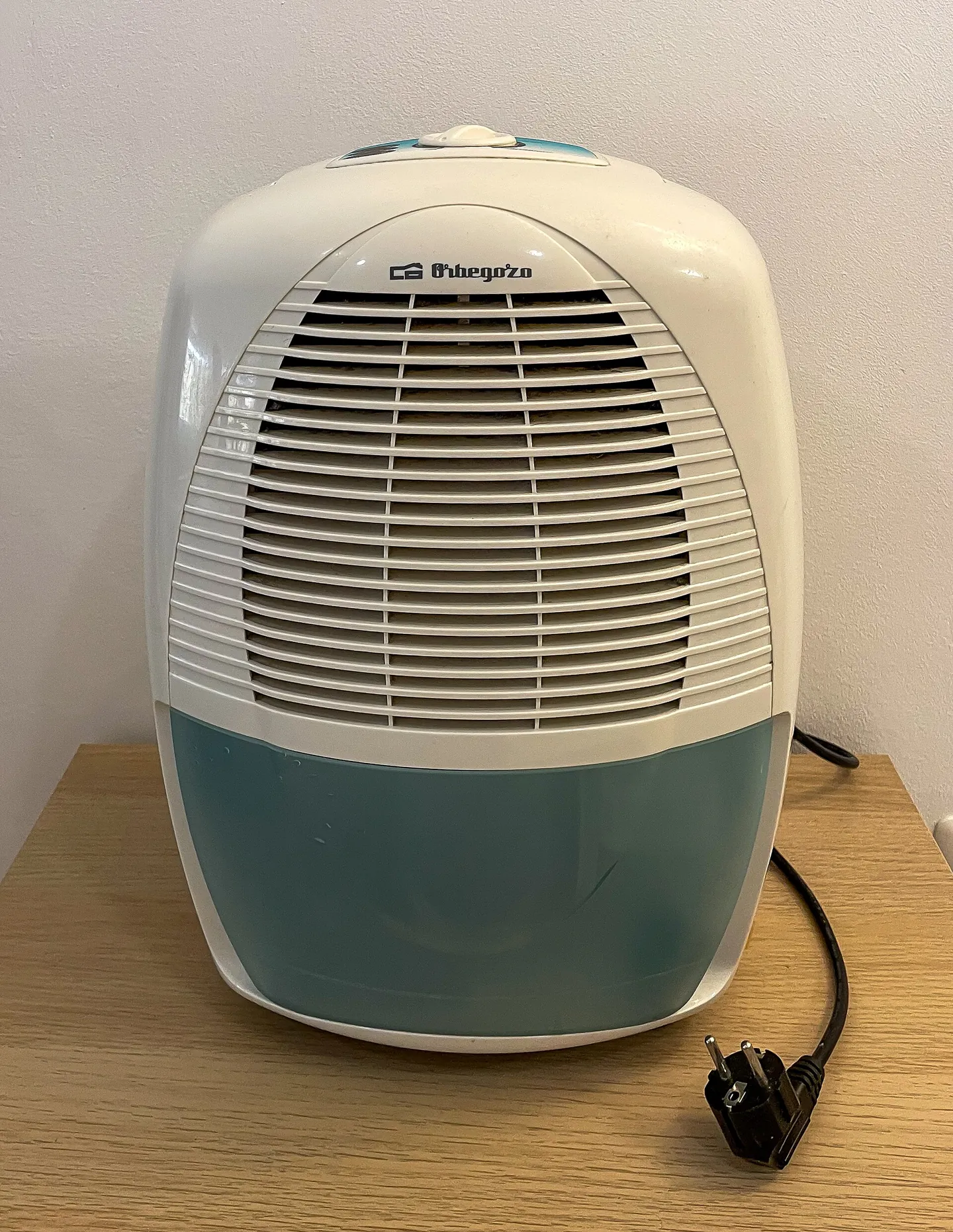
Agree which windows and doors should remain open or closed while equipment runs. Ventilation and dehumidification are different approaches; repeatedly changing the arrangement can undermine the intended drying method. Do not connect drying equipment until the electrical supply has been cleared for that use.
Never bring an outdoor generator, barbecue or fuel-burning camping appliance inside to power or heat the work. Use the indoor combustion safety guide when considering temporary arrangements. A flooded home must not acquire a second emergency from improvised heating.
Keep a record of contractor visits, measurements they provide and agreed next stages. Ask what the completion evidence means, especially for areas behind units or beneath floors. A promised return date is easier to assess when it is connected to actual conditions rather than appearance alone.

Full image attribution
Air dehumidifier with a European plug.jpg — Photograph by Mike Peel ( www.mikepeel.net ).; CC BY-SA 4.0. Resized and converted to WebP; source: https://commons.wikimedia.org/wiki/File:Air_dehumidifier_with_a_European_plug.jpg
Protect daily routines during recovery
Do not eat food that has contacted floodwater. Keep uncertain food separate and seek official food-safety advice. Where the problem was also a power cut, use the fridge and freezer outage guide; an appliance's temperature history and flood contamination are separate questions.
Make a short list of essential appointments, prescriptions, school arrangements and care visits disrupted by the flood. Delegate calls where possible. Someone who cannot help lift furniture may still be able to arrange accommodation or organise paperwork.
Flood recovery is tiring. Plan breaks and share work in manageable sessions. Seek support from your GP or appropriate local service if distress, sleep problems or anxiety are making daily life difficult. Do not judge progress only by how quickly the house looks normal.
Recovery checklist
- Confirm official return advice and a safe route.
- Arrange necessary structural and utility checks.
- Keep wet appliances off until appropriately assessed.
- Contact insurer, landlord and council as relevant.
- Record damage safely before removal.
- Agree cleaning responsibilities and protective equipment.
- Arrange contaminated waste disposal.
- Follow a building-specific drying and repair plan.
- Confirm services and habitability before moving back.
- Review the household flood plan when immediate recovery work allows.
Questions people ask
Can I use an appliance once it has dried out?
External dryness does not prove that internal parts are safe. Keep flood-affected equipment disconnected and obtain appropriate professional advice. Do not test it by switching it on to see whether it works.
Should I hire a dehumidifier immediately?
First establish electrical safety and discuss the drying plan with the insurer, landlord or contractor. The appropriate equipment and arrangement depend on the building. Hiring a machine before those decisions may add expense without resolving the underlying problem.
What if I have no insurance?
Contact the council about housing and local support, and seek qualified advice for essential safety checks. Available help varies by incident and eligibility. Do not assume a grant exists or sign urgent repair contracts without understanding the work and payment terms.
Sources
Research checked on 2 November 2026. These sources support the safety points; examples and planning worksheets are original editorial guidance.