
On this page
- Make the first evening workable
- Find and check the alarms
- Identify suppliers and network contacts
- Locate controls without experimenting
- Check the new location, including journeys
- Move the support arrangements as well
- Unpack around safe use
- Keep a dated list of unresolved defects
- Before the first week ends
- Sources
The key fits, the boxes are inside and the kettle is somewhere in the kitchen. Before settling in, spend a few minutes finding how to get out, how to raise an urgent repair and what will happen if the lights go out tonight. Familiar routines from the previous home may not work at this address.
These checks are for discovering the property and arranging help. They are not instructions to open electrical equipment, alter gas fittings or repair unfamiliar controls. If something looks damaged, smells of burning or presents an immediate danger, stop the move-in task and use the appropriate emergency route.

Full image attribution
Some old moving boxes from Sweden.jpg — Boivie; CC BY 4.0. Resized and converted to WebP; source: https://commons.wikimedia.org/wiki/File:Some_old_moving_boxes_from_Sweden.jpg
Make the first evening workable
Keep one clearly identified bag out of the removal load. Put essential medicines in their normal suitable storage, keep a phone and torch accessible, and retain the documents needed for access or urgent repairs. Do not leave all chargers in a sealed box marked "miscellaneous".
Walk the normal route from sleeping areas to the exit in daylight. Make sure furniture and boxes do not obstruct it. Know how the usual doors open and keep necessary keys in a secure, agreed place reachable by those who need them. Avoid leaving keys where somebody outside can reach them.
In a flat, read the building's fire instructions and find out who manages the common areas. Do not assume the previous block's arrangements apply. Check that visitors, carers and delivery workers can find the correct entrance without being given unrestricted access to the building.
Check the full postal address, flat number and postcode. A converted building may have several entrances or similar numbers. Write a short location description for trusted visitors and emergency calls, including the correct door or access point. Do not post security codes publicly.
Find and check the alarms
Locate smoke, heat and carbon monoxide alarms. Read their labels or manuals for the correct test procedure, power arrangements and replacement dates. Ask the previous owner, landlord or managing agent for missing instructions. A light on an alarm does not by itself establish that the warning function works.
Test only through the manufacturer's normal user procedure. Do not use smoke, a flame or exhaust to test an alarm. If it does not respond as instructed, report or resolve the problem promptly through the appropriate route. Do not leave the household relying on an unconfirmed alarm while unpacking continues.
Requirements differ across the UK. Scottish Government guidance sets out Scotland's interlinked fire alarm requirements. England, Wales and Northern Ireland have their own rules and housing arrangements. Check the relevant national guidance rather than copying a shopping list from another nation.
If somebody may not hear or respond to a standard alarm, ask the local fire and rescue service about suitable advice and assistance. A new home is a good time to review access needs, even if the person's health has not changed.
Identify suppliers and network contacts
Take moving-day meter readings where you can do so safely and record which meter serves the property. A photograph can help preserve the reading and meter identifier. Do not open sealed equipment or enter a locked service room without the responsible person's permission.
Contact the existing supplier at the new property to establish the account and give the reading. Northern Ireland's Utility Regulator moving-home guidance specifically warns that prepayment customers should contact the supplier so they do not pay a previous resident's debt. Use the relevant supplier process for your address.
Separate the energy supplier from the electricity network operator. The supplier deals with the account; the network operator deals with local network faults. Save the correct outage route, using 105 in Great Britain and NIE Networks' published route in Northern Ireland. The power-cut guide explains the distinction.
Find the water provider and any separate wastewater provider. In a building with communal systems, ask who handles failures affecting pumps, shared tanks or internal distribution. A working street supply does not necessarily mean water can reach every flat.
Locate controls without experimenting
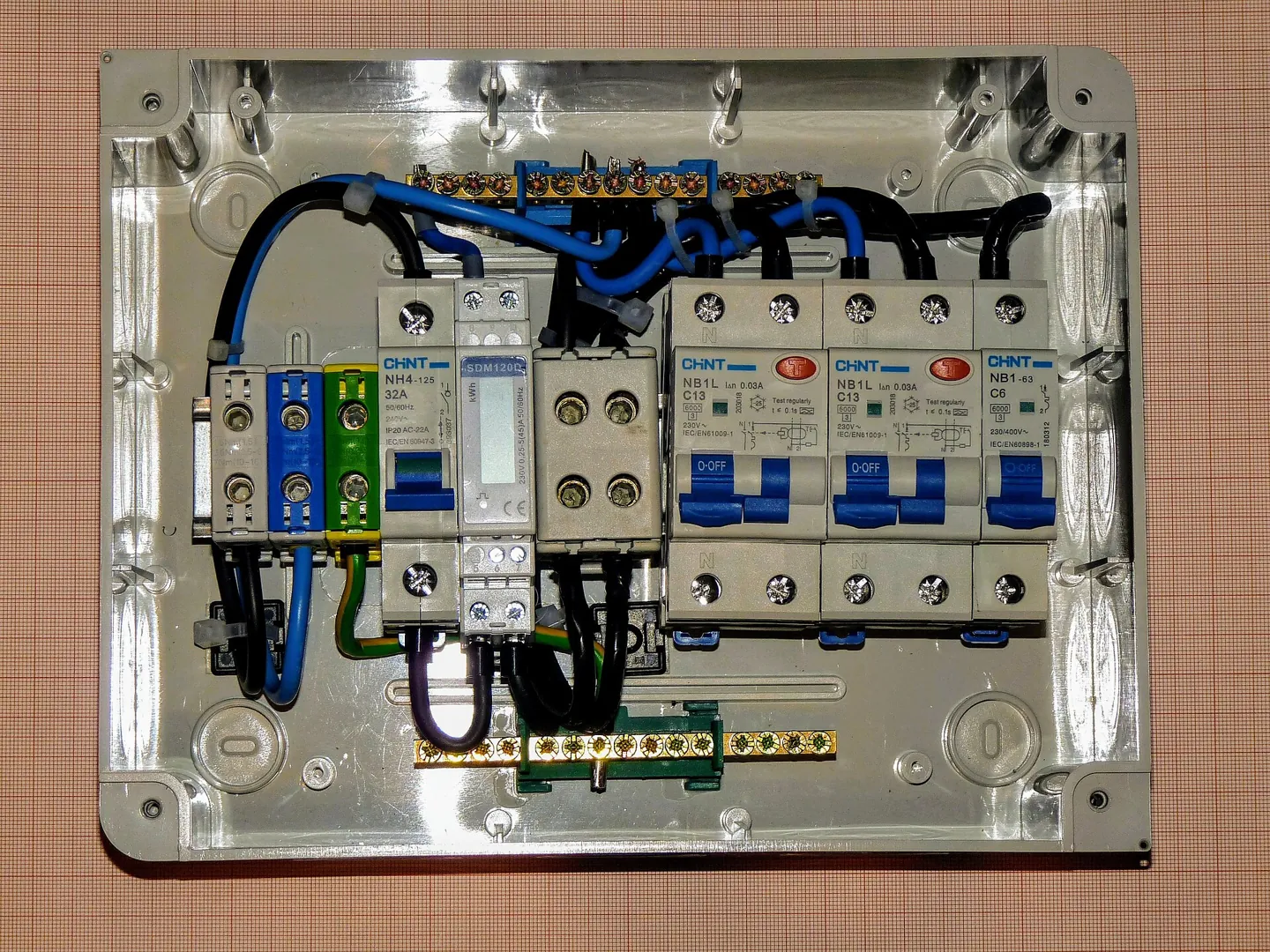
Ask a competent person to show you the normal user controls for heating, hot water and ventilation. Find the consumer unit and internal water stop tap, but do not operate unfamiliar controls simply to see what happens. Record where they are and who to call if access or identification is uncertain.
A label saying "main switch" is not permission to work inside electrical equipment. Keep covers closed. Do not remove fuses, meter seals or service-company fittings. If a stop tap is inaccessible or seems stuck, ask a plumber or the responsible property manager rather than forcing it.
Keep boiler and appliance manuals available. Heating programmes, frost settings and timers may reflect the previous occupant's schedule. Adjust only ordinary user settings you understand and follow the manual. Any suspected gas fault needs the relevant gas emergency service, not online repair instructions.
| Item | What to record | Who can confirm it |
|---|---|---|
| Electricity | Supplier, network operator, meter identity and outage contact | Supplier and network operator |
| Water | Provider, internal stop tap location and communal-system contact | Water company and property manager |
| Building access | Normal entry, visitor arrangements and outage procedure | Landlord, manager or equipment provider |
| Heating | Manuals, user controls and qualified service contact | Owner, landlord or registered service engineer |
| Fire arrangements | Current instructions, alarm details and reported defects | Responsible building manager and local fire service |

Full image attribution
Fuse box for garage.JPG — Dmitry G; CC BY-SA 3.0. Resized and converted to WebP; source: https://commons.wikimedia.org/wiki/File:Fuse_box_for_garage.JPG
Check the new location, including journeys
Look up official flood and weather information for the new address. England's long-term flood service describes area risk, with limitations; use the relevant national service elsewhere in the UK. Include the road to school or the only route out of a village when considering disruption.
Do not infer safety from being on an upper floor. Flooding can affect entrances, vehicles, power and local services without entering the flat. Equally, a home on a hill may still have drainage or pipe problems. Record the specific concern and the official source.
Use the household assessment guide to prioritise actions. You may discover that the new home's biggest practical issue is weak mobile reception or dependence on a lift rather than the hazard you expected.
Walk ordinary local routes when conditions are safe. Find the pharmacy, suitable food shops, accessible transport stops and a possible place to meet a trusted contact. Opening hours and access matter more than straight-line distance on a map.
Move the support arrangements as well
Update utility additional-support registrations, care providers and the people who hold important contact details. Do not assume that changing an account address automatically transfers every support arrangement. Ask the organisation to confirm what applies at the new property.
Tell the phone provider if you depend on a landline or use telecare. The connection may work differently from the previous home. Check how entry systems, alarms and care equipment interact with the new broadband and power arrangements before relying on them.
Arrange healthcare registration and prescription continuity through the relevant services for your UK nation. Keep enough time for ordinary administrative changes and ask a pharmacist or clinical team about any immediate concern. Do not change medicine storage or treatment simply because the kitchen is not unpacked.
For a household with children, update school and nursery collection records. A trusted collector from the old area may no longer be close enough to help. Work through the school-day reunification plan with the new travel times and authorised adults.
Unpack around safe use
Keep combustible packing away from heaters and cooking areas. Do not trail several extension leads across a route because sockets are hidden behind boxes. If there are too few suitable outlets for the intended use, ask a registered electrician or landlord about a proper solution.
Place heavy reserves where the person using them can reach them safely. Water stored above shoulder height may be difficult to retrieve. A torch buried in a loft is unlikely to help during the first unexpected night-time outage.
The small-flat preparation guide offers ways to use limited storage. Prioritise clear walking routes over fitting every item from the old property into the new one. Storage capacity is a real constraint, not a reason to block an exit.


Full image attribution
Decorative "70" house number plaque (Lincoln, England).jpg — Brian from UK; CC BY-SA 2.0. Resized and converted to WebP; source: https://commons.wikimedia.org/wiki/File:Decorative_%2270%22_house_number_plaque_(Lincoln,_England).jpg
Keep a dated list of unresolved defects
Photograph concerns from a safe position and write when you reported them. Distinguish a cosmetic issue from something affecting safe access, alarms or essential services. Follow up unresolved safety concerns through the responsible organisation's process.
If renting, use the renter's emergency planning guide for repair contacts and arrangements. Ownership, lease terms and local rules affect responsibilities, so do not assume every communal fault belongs to your individual landlord.
The Home Office's home fire guidance for England stresses clear escape arrangements. If unpacking changes the layout, review the route again. Visitors and overnight guests need a brief explanation too.
Before the first week ends
- Confirm the exact address and a usable route out.
- Find alarm instructions, test correctly and report faults.
- Record meter readings and contact the relevant suppliers.
- Save network, water, property-management and urgent repair contacts.
- Locate normal controls without opening or altering service equipment.
- Check local risks and essential journeys.
- Update support registrations, healthcare and collection arrangements.
- Keep key supplies reachable and boxes clear of exits.
- Record outstanding safety questions with a named contact and follow-up date.
Sources
Sources checked on 2 November 2026. Worked examples and household worksheets are illustrative planning aids.
- Utility Regulator: Moving home. Verified 2 November 2026.
- Scottish Government: Fire and smoke alarms: the law. Verified 2 November 2026.
- Home Office: Fire safety in the home, England. Verified 2 November 2026.
- Environment Agency: Check the long term flood risk for an area in England. Verified 2 November 2026.