
On this page
- Describe tasks and support in plain language
- Make warnings and instructions accessible
- Agree support without relying on one person
- Ask about the actual building
- Check the whole journey to a destination
- Choose supplies for access, not volume
- Keep control of personal information
- Practise the decisions safely
- Accessible planning checklist
- Sources
An emergency plan can fail long before anybody reaches an exit. A warning may be unreadable, a door buzzer may stop working, or a caller may insist on a telephone conversation that the resident cannot hear. Good planning follows the person's actual day and asks where access would break down.
Start with the disabled person, including children in a way appropriate to their age and communication. Ask what assistance they want and what other people must avoid doing. Someone who uses a wheelchair may manage most arrangements independently; someone with an invisible impairment may need substantial help during disruption.


Full image attribution
Hearing aid 20080620.jpg — Jonas Bergsten; Public domain. Resized and converted to WebP; source: https://commons.wikimedia.org/wiki/File:Hearing_aid_20080620.jpg
Describe tasks and support in plain language
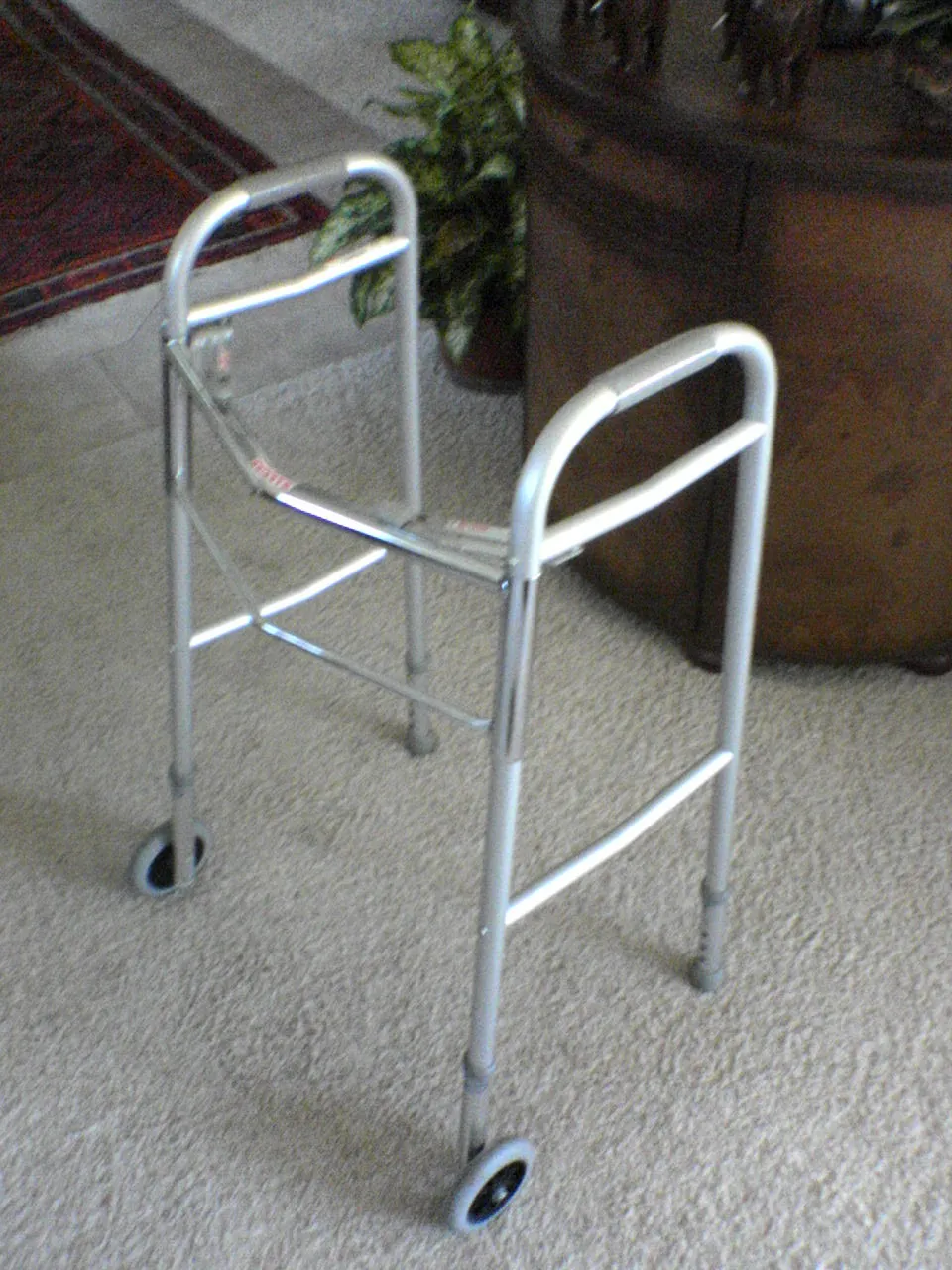
Write what needs to happen, rather than relying on a diagnosis. "Please face me and write important information" gives a helper a usable instruction. "I need someone to carry this bag while I use my walking aid" is clearer than "mobility problems". Include what the person can do themselves, because unnecessary intervention can make a situation harder.
Work through getting up, washing, eating, using the toilet, leaving home, communicating and going to bed. For each activity, identify essential assistance, equipment and services. Ask how needs change when tired, in pain, distressed or without usual surroundings. The plan should remain usable on a difficult day.
The government's advice for disabled people and carers recommends discussing changing needs with a support network. Use that conversation to agree specific tasks. Do not presume a relative can provide personal care, lift someone or operate unfamiliar equipment.
Put clinical decisions in a separate plan agreed with the appropriate team. This guide does not specify treatment changes, battery runtimes for medical devices or safe transfer techniques. Use the medical-equipment power-cut guide to prepare questions for the supplier and clinical team.
Make warnings and instructions accessible
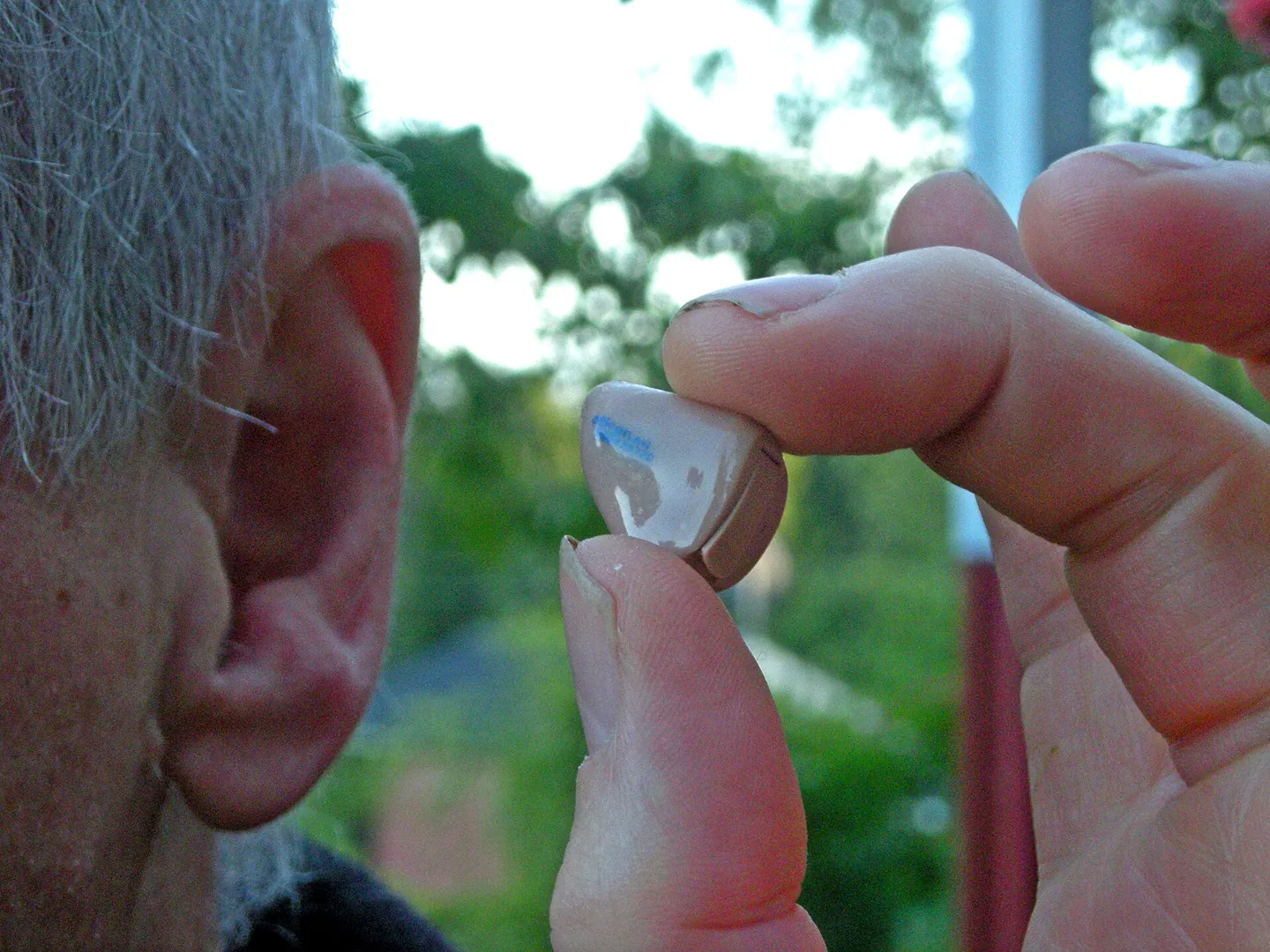
List the ways you normally receive information. A screen reader, captioned call, hearing aid, printed large text and trusted person may each depend on different equipment. Identify which still work without electricity or internet. Keep a low-technology option where practical, such as a communication card using familiar words or symbols.
Agree a short message format with helpers. Start with what has happened, then what action is needed and when the next update will come. Avoid unexplained abbreviations and long strings of messages. Someone processing information slowly may need time to respond; silence does not necessarily mean they have ignored the instruction.
If you use British Sign Language or an accessible emergency contact service, check its official setup requirements in advance and save its instructions. Do not assume an ordinary text to 999 works without the appropriate service arrangements. A household practice should never place a test call to emergency services.
Ask providers to record the communication format you need. A letter in an unreadable format is not a useful contingency. When a representative confirms an adjustment, save the confirmation and a contact route for correcting it if later messages arrive in the wrong form.
Agree support without relying on one person
Choose a main contact and, if possible, a backup whose availability differs. Two helpers who work the same shift in the same place may both be unavailable. Explain the tasks and ask each person what they can realistically commit to. A neighbour might knock and pass on information but be unable to provide transport.
| Need | Agreed arrangement | What to verify |
|---|---|---|
| Missed check-in | A named person tries an agreed alternative contact route | Timing, consent and when to escalate concern |
| Access for a carer | Building manager confirms arrangements if door entry fails | Who has permission and how security is maintained |
| Leaving for another address | A suitable vehicle and willing driver | Mobility-aid space and assistance the driver can safely provide |
| Receiving instructions | Preferred accessible format plus a backup | Equipment, charging and offline instructions |
Decide what a missed check-in means. Agree an ordinary delay allowance and the next action, taking the person's circumstances into account. Do not make helpers wait for a routine deadline if there is evidence of immediate danger. Equally, avoid promising emergency attendance from a neighbour who has not agreed to it.
Write down permission boundaries. Someone may be willing to hold a spare key but not to enter without contacting the resident first. Keep key arrangements secure and share them only with the people involved. Update access instructions when locks, carers or contact numbers change.


Full image attribution
Walker. frame.jpg — The original uploader was High Plains Drifter at English Wikipedia .; Public domain. Resized and converted to WebP; source: https://commons.wikimedia.org/wiki/File:Walker._frame.jpg
Ask about the actual building
Home, work, college and a day service may have different fire and evacuation arrangements. Ask the responsible organisation how your access needs fit its plan. The government guidance identifies personal emergency evacuation planning as one tool for workplaces. Do not assume a plan made for work automatically covers home.
In a block of flats, ask the building manager for the current fire instructions and any individual arrangements that apply. Rules and responsibilities differ by building and nation. A generic instruction to use the stairs, leave immediately or remain in the flat cannot replace a building-specific plan and emergency-service directions.
In England, Residential Personal Emergency Evacuation Plan requirements took effect on 6 April 2026 for specified blocks of flats. Ask the building's responsible person whether your building is covered and request the person-centred fire risk assessment if you need assistance to evacuate. The process involves agreeing what you should do in a fire and seeking your explicit consent before specified personal information goes to the fire and rescue authority. These England-only rules do not cover every residential building or create a guaranteed rescue service. Elsewhere in the UK, ask the building manager and local fire service about the arrangements that apply.
Do not buy an evacuation chair and assume that solves an upper-floor access problem. Equipment needs suitability assessment, trained assistance, maintenance and an agreed operating arrangement. Friends should not practise carrying someone downstairs or improvising transfers. Raise an unresolved escape difficulty with the building manager and local fire and rescue service.
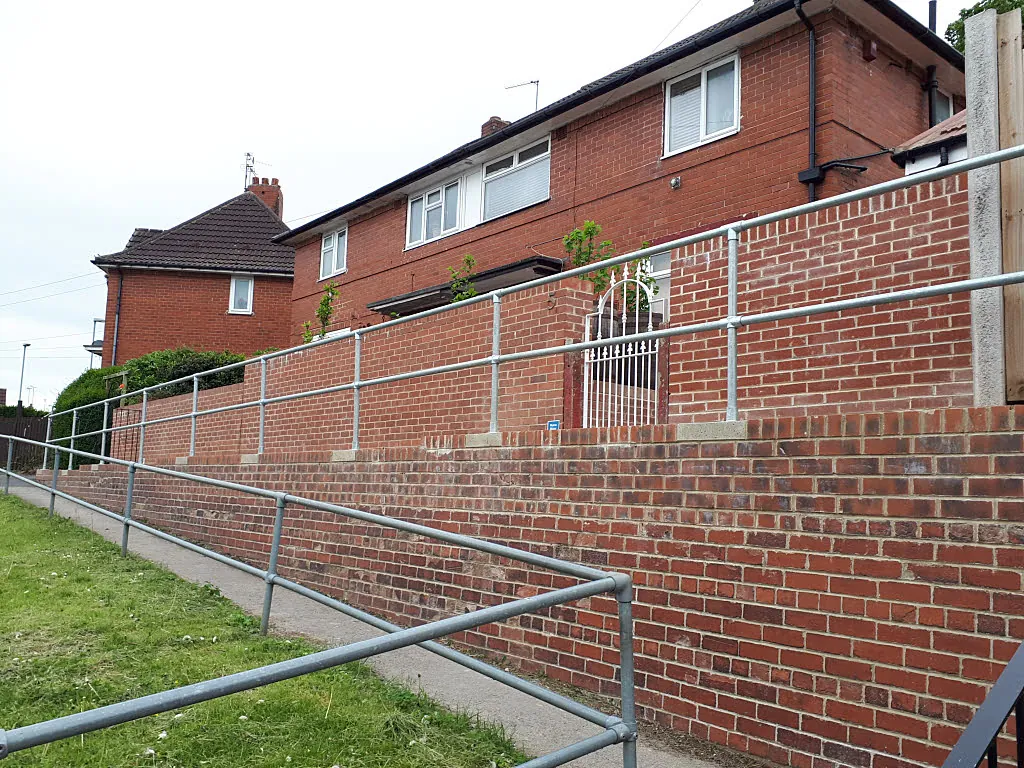
Look at ordinary access too. Can a door be opened using the manufacturer's normal procedure if powered entry stops? Can a helper reach the flat? Does a communal route contain stored furniture? Report defects through the responsible organisation rather than modifying doors, locks or safety equipment yourself.
Check the whole journey to a destination
A step-free front door is only one part of accessibility. Check the route from pavement to entrance, internal doors, toilet, seating, sleeping arrangements and space for equipment. Ask about noise, lighting and a quieter area where those affect communication or distress. Include an assistance dog in the discussion.
Ready Scotland's accessible planning advice includes choosing meeting places that work for everyone. Treat a friend's home as a candidate until you have checked it. A familiar address can still be unsuitable overnight or when a lift is unavailable.
Make transport concrete. Record the organisation or person, booking method, relevant access details and an alternative. A standard taxi may not fit a wheelchair, and a person able to transfer on an ordinary day may be unable to do so when unwell. Ask the provider about the actual vehicle and assistance offered.
Emergency rest centres depend on the incident and local arrangements. Do not promise that a particular hall will open or have specialist facilities. Keep the council's official information route and explain your requirements when assistance is offered. If an instruction directs people elsewhere, tell responders about barriers promptly.
Choose supplies for access, not volume
Check whether the person can open packaging, use a torch switch and lift the bag. Several small water bottles may be more usable than one heavy container. Labels should suit the reader, whether that means large print, high contrast, tactile identification or a consistent storage position.
Keep essential daily items together where this helps, but do not remove equipment from normal use just to complete an emergency bag. Record where it normally lives and who can retrieve it safely. The grab-bag guide helps limit the load to what can actually travel.
Ask utility providers about additional support. Ofgem explains energy Priority Services Registers in Great Britain; Northern Ireland has separate provider arrangements. Registration does not make supply uninterrupted or guarantee immediate evacuation. Record the confirmed assistance and what remains your household's responsibility.
Keep control of personal information
Prepare a short access summary with communication preferences, essential assistance, named contacts and the location of detailed instructions. Share medical information only when needed and with consent where appropriate. A public-facing card need not contain a complete medical history or home security information.
Give copies to agreed helpers in usable formats. Keep one accessible offline, following offline document guidance. Password protection can be useful, but the person expected to use a file must know how to open it during disruption.


Full image attribution
Wheelchair Accessible - geograph.org.uk - 3030071.jpg — Ross Watson; CC BY-SA 2.0. Resized and converted to WebP; source: https://commons.wikimedia.org/wiki/File:Wheelchair_Accessible_-_geograph.org.uk_-_3030071.jpg
Practise the decisions safely
Use a short discussion rather than an exhausting physical drill. Ask where information comes from, who makes the first contact and what happens if the main helper cannot attend. Follow the safe household practice guide without switching off equipment or creating a false emergency.
For a family split between school and work, connect this plan with reunification arrangements. Check that the person collecting a child or supporting an adult understands the access needs and has the required authorisation.
Review after changes in care, housing, medication arrangements, equipment or support contacts. Ask the person using the plan what felt difficult. A technically complete document that is hard to read or humiliating to follow needs changing.
Accessible planning checklist
- Describe assistance and communication needs in the person's own terms.
- Agree a main helper, realistic backup and missed-contact procedure.
- Confirm building-specific evacuation arrangements and report unresolved barriers.
- Check transport, toilets, equipment space and communication at alternative destinations.
- Record provider support without treating it as a guarantee.
- Keep accessible offline instructions and protect private information.
- Practise decisions without unsafe lifting or interrupting essential equipment.
- Give the person using the plan control over changes and sharing.
Sources
Sources checked on 2 November 2026. Worked examples and household worksheets are illustrative planning aids.
- UK Government: Advice for disabled persons and carers. Verified 2 November 2026.
- Scottish Government: Emergency planning for disabled people and carers. Verified 2 November 2026.
- Ofgem: Join your supplier's Priority Services Register. Verified 2 November 2026.
- Ministry of Housing, Communities and Local Government: Residential PEEPs factsheet, England. Verified 2 November 2026.