
On this page
- What a bug out bag means in the UK
- Bug out bag, grab bag or 72-hour kit?
- The core list for every adult
- Add these for children
- Add these for a baby
- Add these for pets
- Medication, care equipment and access needs
- Choosing the bag and how heavy it should be
- Pack it so it stays dry and easy to find
- Where to keep it
- What to leave out
- When you are told to leave
- Should I buy a ready-made bug out bag?
- Check it every six months
- Print the checklist
- Frequently asked questions
Some links are affiliate links. As an Amazon Associate I earn from qualifying purchases. Affiliate disclosure.
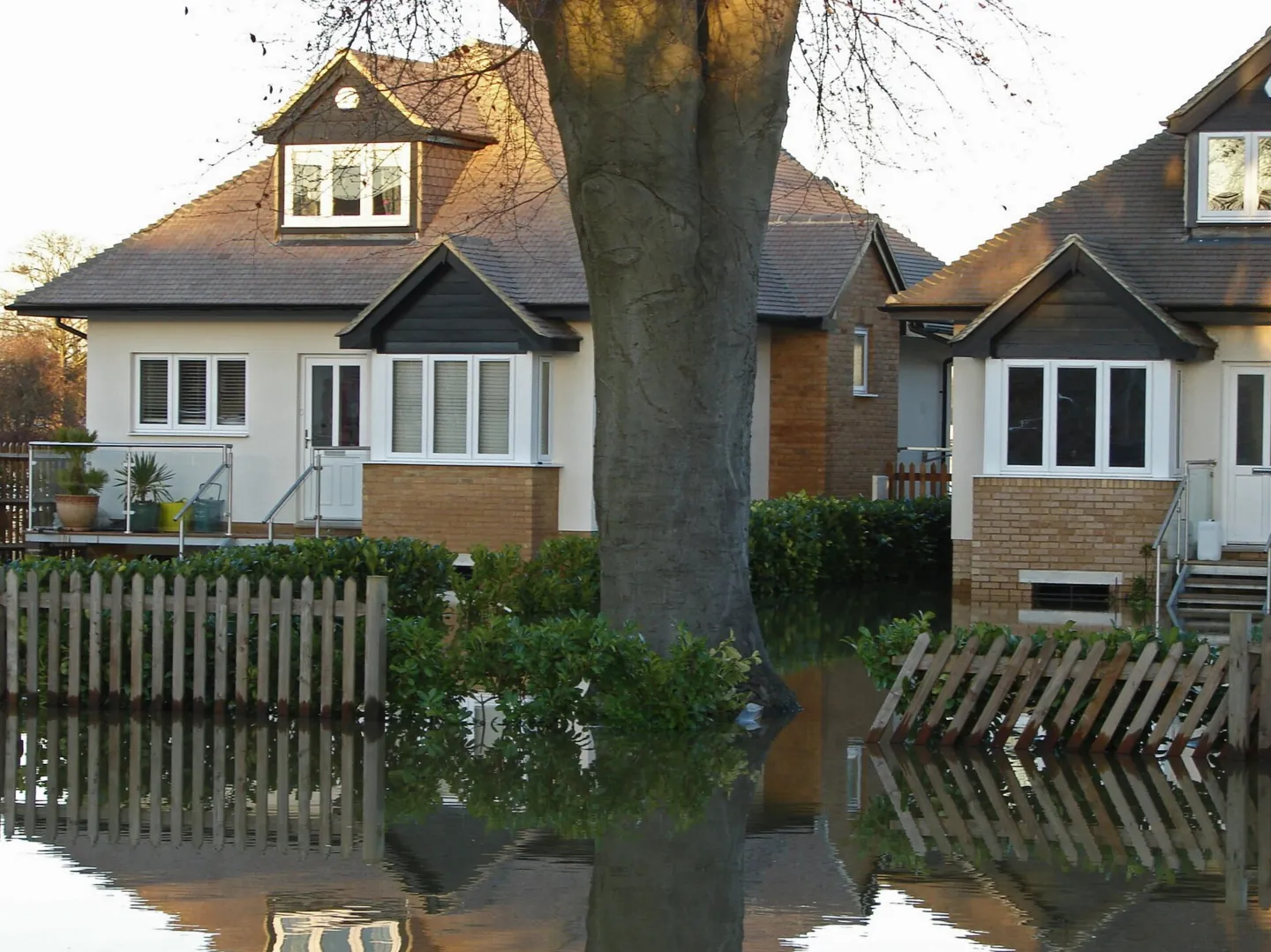
In the UK a “bug out bag” is simply a grab bag: a small, ready-packed bag for leaving home at short notice, for a flood, a gas leak or another local evacuation, so you can get to family or a rest centre.

Full image attribution
Flooded houses, Chertsey (geograph 3812479).jpg — Alan Hunt; CC BY-SA 2.0. Resized and converted to WebP; source: https://commons.wikimedia.org/wiki/File:Flooded_houses,_Chertsey_(geograph_3812479).jpg
What a bug out bag means in the UK
The phrase comes from US emergency-preparedness writing. Here, it means the same as a grab bag or go bag: essentials you can take if you are told to leave home quickly. UK government advice on preparing for emergencies suggests keeping essentials in a spare bag. Flood warnings, a gas leak, a nearby fire or building damage may mean you need to leave. A local authority or community hub may offer shelter and advice, and volunteers can set up rest centres. You may instead stay with family or friends or arrange a hotel. This is a household bag for a short move, not equipment for living outdoors. For help planning who carries what and where you'd go, use the household plan.
If a fire starts, leave the bag and get out. Follow your fire escape plan; do not pause to collect possessions or look for a pet.
Bug out bag, grab bag or 72-hour kit?
| Kit | Where it is used | How it is packed |
|---|---|---|
| Bug out bag or grab bag | For leaving home and travelling to somewhere safe | Light enough for each person to carry |
| Three-day home kit | For staying at home during a disruption | Stored with household supplies |
| Car kit | For a delay or breakdown while travelling | Kept in the vehicle; see the car emergency kit |
Some people call staying home “bugging in”; in the UK, follow the advice for the incident and your area. A three-day home kit and a car kit have different jobs. Buckinghamshire Council also recommends thinking about separate supplies for staying home and leaving.
The core list for every adult
Papers and contacts

Full image attribution
Manila folder.jpg — allispossible.org.uk; CC BY 2.0. Resized and converted to WebP; source: https://commons.wikimedia.org/wiki/File:Manila_folder.jpg
Pack copies of ID and insurance details, a paper contact list and a written list of medicines and doses. Include your GP, insurer, landlord, a trusted person outside the area and the address you plan to go to. Put them in a waterproof document wallet. Read more about which documents to copy.
Medicines, money and keys
Keep regular medicines in their labelled packaging. Take prescription information, glasses or contact lenses and hearing-aid batteries if you use them. Ask your pharmacist how to carry medicines with special storage needs. Put everyday items that cannot stay packed on a collection list for everyday medicines. Carry a payment card, some cash and spare house or car keys.
Phone, power and light
Start with a charged power bank, the right charging cable and a UK mains plug. A rest centre may have sockets, but plan to share. See how to choose a power bank. A head torch keeps both hands free; pack suitable spare batteries and a small wind-up radio. A radio with a headphone socket is considerate in a shared hall. Our guides explain choosing a torch and choosing a wind-up radio.
Water and food
Pack a water bottle or two of drinking water that you can manage, plus familiar ready-to-eat snacks. This is for the journey, not the household water reserve. See how to carry emergency water.
Clothes, warmth, hygiene and comfort
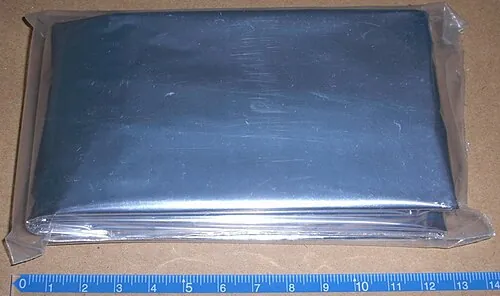
Choose a warm layer, dry socks and underwear, waterproof jacket or reusable rain poncho, and sturdy shoes kept beside the bag. A foil blanket is light and folds small. Pack a small first-aid kit, hand gel, toothbrush, period products, wet wipes and a few bin bags to separate wet things. In a shared hall, earplugs, an eye mask, pen and paper may make waiting easier.


Full image attribution
Emergency blanket 20110709.jpg — Tobosha; Public domain. Resized and converted to WebP; source: https://commons.wikimedia.org/wiki/File:Emergency_blanket_20110709.jpg
Add these for children
Add a change of clothes in their current size, a familiar comfort item, a quiet activity, snacks they will eat and a contact card in a pocket. A child can carry a small bag when they can manage it comfortably. Follow the school's collection plan. If the family is apart when it happens, use an agreed contact and meeting arrangement.
See how to practise your household plan and our advice on reconnecting if the family is apart when it happens.
Add these for a baby
Pack the baby supplies you use, bottles, nappies, wipes, a changing mat, spare clothes and a sling or carrier you already know how to use safely. Ready-to-feed formula can help when you cannot boil water or sterilise equipment; follow the product's storage and feeding instructions. See planning to leave with a baby.
Add these for pets
Bring a suitable carrier or lead, food, medicines and records, a collapsible pet bowl, microchip number and a photo. Check with your council and destination before an emergency about where your pet can stay; do not assume a rest centre can take animals. Read about a place your pet can actually stay.
Medication, care equipment and access needs
Keep the care plan, equipment instructions and supplier contacts with your household information. Agree transport and backup arrangements with the equipment supplier and care team. A consumer power bank may not run powered medical equipment. See planning who carries what and where you would go and planning for powered medical equipment.
Choosing the bag and how heavy it should be
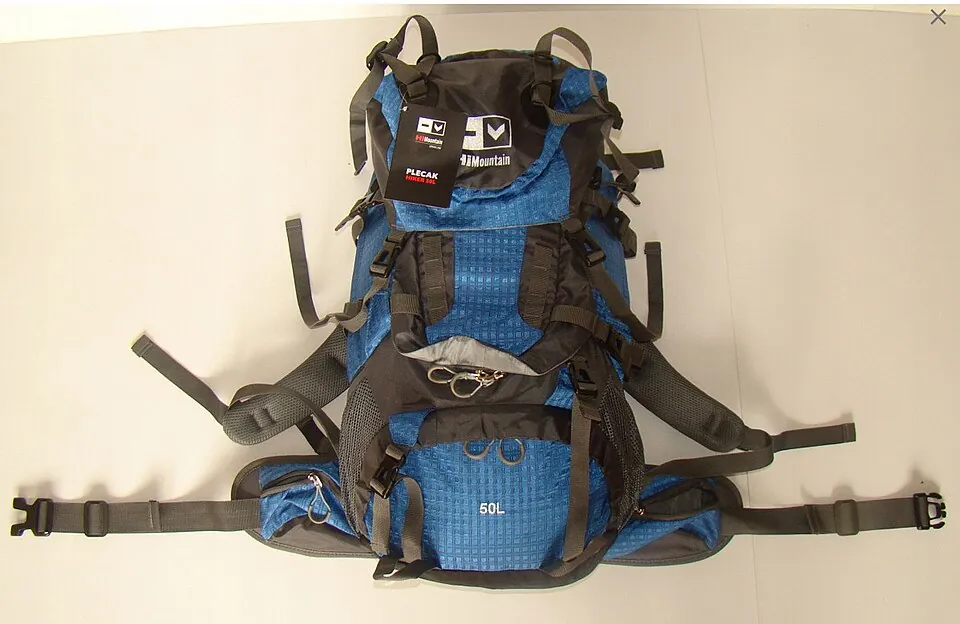
We suggest one plain day or hiking rucksack per adult, around 30–40 litres, with a hip belt and chest strap. A smaller adult or someone carrying a child may prefer 20–30 litres. These are practical suggestions, not official sizes. A rucksack keeps your hands free for children, a pet carrier, a handrail or a mobility aid. An ordinary pack is likely to suit a bus or shared hall better than specialist outdoor gear.
There is no official UK weight limit for a grab bag. Pack it, put on your shoes and carry it up and down the stairs and to the end of the road. If it is a struggle, take things out or plan for help or a car. Use the carry test before relying on the bag.
A 30–40 litre rucksack and a fitted rain cover are two options to consider. Check the capacity and fit before choosing.
Pack it so it stays dry and easy to find
Group papers, clothes, first aid and wash kit in separate roll-top dry bags or sturdy zip bags. Put heavier items close to your back, with a torch and contact list in a top pocket. A printed contents list inside the lid can help everyone find things. Flood and emergency advice from England and Scotland both recommend keeping essentials in a waterproof bag. See what to add for a flood.
Where to keep it
Keep the bag somewhere cool, dry and easy to reach, near the exit you would use without blocking it. Make sure everyone at home knows where it is. Keep shoes and a coat nearby. If you live in a flat, check your building's fire strategy and follow its instructions.
What to leave out
A household bag for a move to a relative's home or rest centre does not need a tent, axe, fishing kit, fire-starting kit or camping stove. Stoves are for outdoor use; read the safety guidance on camping stoves and heaters indoors. Leave the main home water supply where it is. Carry copies of irreplaceable documents, not the originals. Keep the bag focused on the needs of the people travelling.
You do not need a knife in a household grab bag. In the UK it is illegal to carry most knives in public without a good reason. The main exception is a folding pocketknife with a blade of 3 inches or less that does not lock, according to UK government knife guidance. Small scissors in a first-aid kit cover most jobs.
When you are told to leave
- Follow emergency services' instructions and leave when told. Do not delay to finish packing.
- If it is safe and there is time, follow official advice about turning off gas, electricity and water. Never touch electrical switches while standing in water.
- If you smell gas, follow the gas emergency service's advice and do not operate switches.
- Tell family or your agreed contact where you are going.
- Take the bag only if it is ready by the door. Leave it behind if there is immediate danger.
Read securing your home as you leave and the gas and electricity emergency shut-off guide for more detail.
Should I buy a ready-made bug out bag?
A ready-packed kit can gather generic items in one go. It cannot hold your medicines, documents, glasses, chargers or cash, so check what is actually included and fill the gaps. Compare a ready-made kit or DIY approach, then personalise the bag for your household.
Check it every six months
UK government advice recommends setting a six-month reminder. Charge the power bank, test the torch, check medicine and food dates, swap clothes for the season and children's sizes, and update contact details. Use the six-month review sheet and read how to check your kit every six months. Sign up to our newsletter for the six-monthly kit-check email reminder.
Print the checklist
Use the printable grab bag checklist (PDF), the five-minute grab bag check and the household checklist that saves your ticks. For planning who carries what and where you would go, start with the household plan.
For family plans, see planning for family members who are apart. If you travel by train, a leaving-home bag differs from the small bag you might use when getting home when trains stop.
Frequently asked questions
What is a bug out bag?
A ready-packed bag for leaving home quickly. In the UK it is the same thing as a grab bag or go bag.
What should be in a bug out bag in the UK?
Pack medicines and their list, document copies, paper contacts, cash and keys, phone charging, a torch, manageable drinking water, snacks, dry clothes and personal care supplies. Add what children, babies, pets and care needs require.
How big should a bug out bag be?
There is no official size. As a practical suggestion, a plain 30–40 litre rucksack per adult usually has room for the basics. Pack it and do the carry test.
Do I need a bug out bag for each person?
Each adult who can carry one can have their own bag. Children can carry a small bag when they can manage it comfortably. Pets need a suitable carrier or lead and their own supplies.
Can I carry a knife in my bug out bag?
You do not need a knife in a household grab bag. UK guidance says it is illegal to carry most knives in public without a good reason. The main exception is a folding pocketknife with a blade of 3 inches or less that does not lock.
Should I take my bug out bag if there is a fire?
No. Get out, stay out and call 999. Do not delay your escape to collect a bag or look for belongings.
How often should I check a bug out bag?
Check it every six months. Charge the power bank, test the torch, check dates, update contacts and replace clothes that no longer fit.