Make a home fire escape plan that fits your building
Make a building-specific fire plan, check doors and exits, arrange help and practise safely without assuming every flat should evacuate.
The UK reference library
Make a fire escape plan, maintain alarms, recognise utility emergencies and prepare household records before you need them.
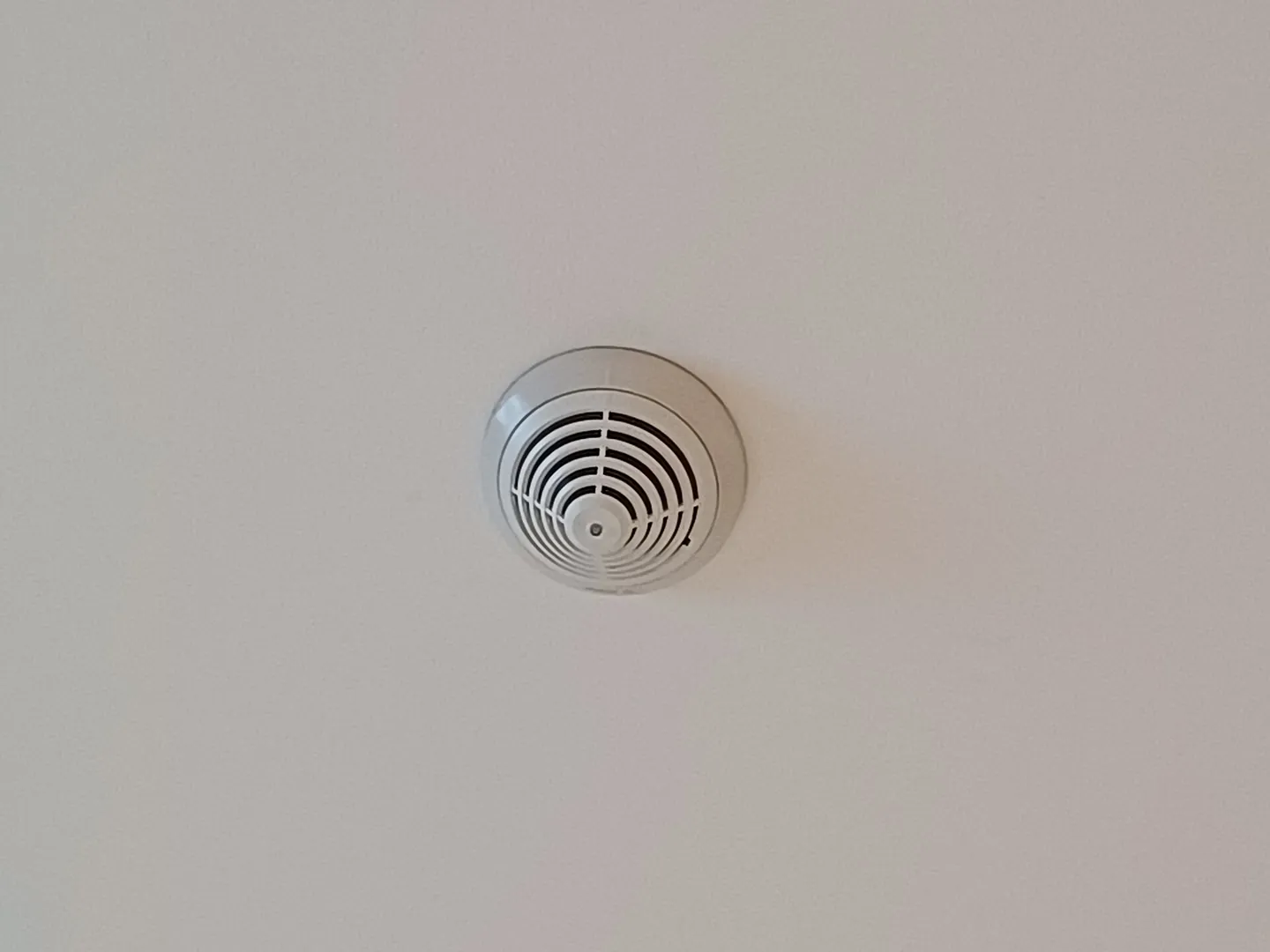
Smoke detector at Gateway Hotel.jpg — Curpharar; CC BY-SA 4.0. Resized and converted to WebP; source: https://commons.wikimedia.org/wiki/File:Smoke_detector_at_Gateway_Hotel.jpg
The building you live in affects the plan you need. An escape strategy for a house may be wrong for a purpose-built block, and a utility emergency may require leaving before touching any controls. These guides focus on finding reliable information and making arrangements in advance. A home inventory and a plan for leaving can be prepared calmly, without waiting for an incident to expose missing details.
Make a building-specific fire plan, check doors and exits, arrange help and practise safely without assuming every flat should evacuate.
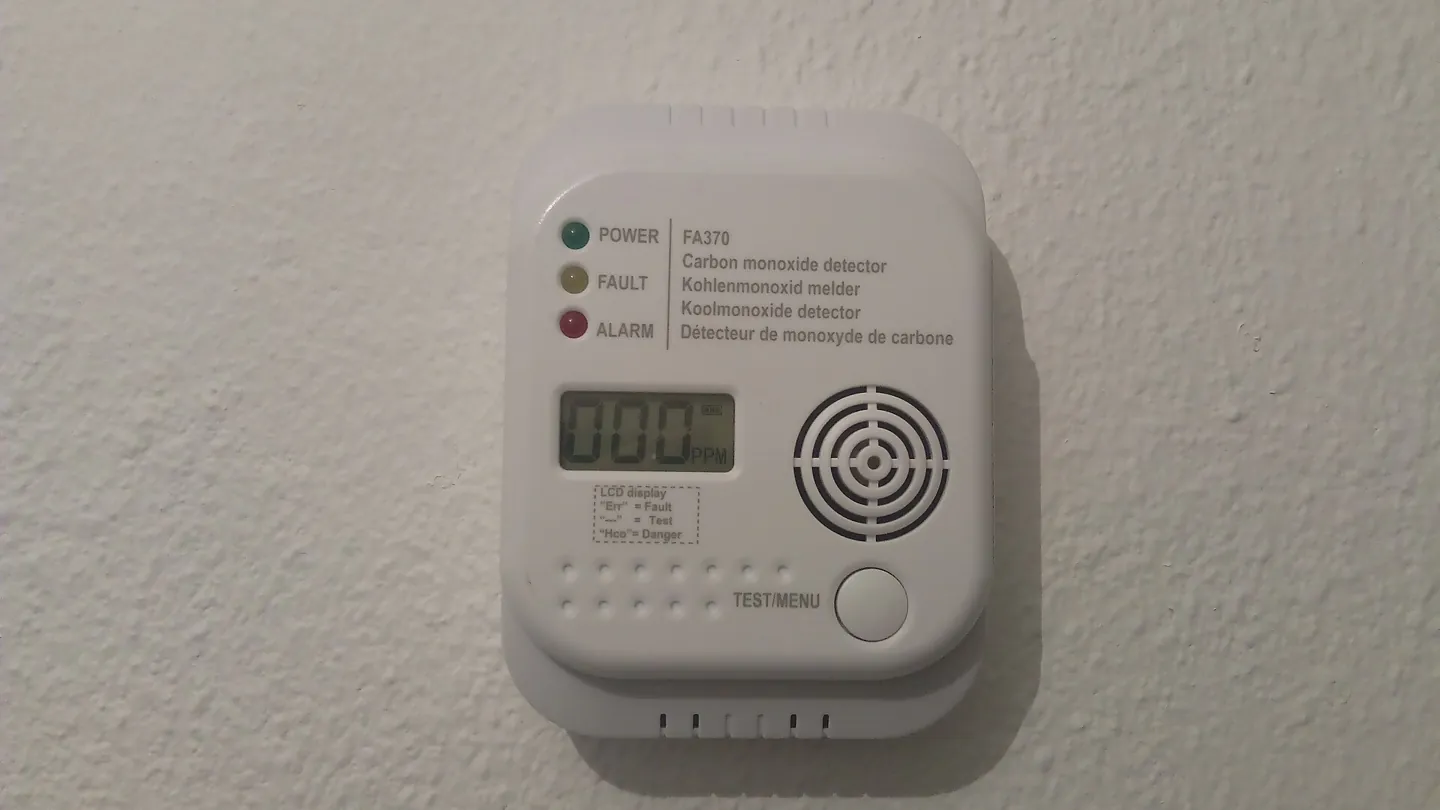
Choose suitable smoke, heat and CO alarms, check the rules for your UK nation, record replacement dates and know how to respond.
Know when to leave, which UK gas or electricity emergency number to call, and why isolation is not a DIY repair or a reason to delay.
Record possessions, replacement values and policy details before a claim, with useful photographs, secure backups and no coverage assumptions.
Prioritise people when leaving danger, decide which security tasks are safe, and keep verified contacts and evidence for recovery.