Lost on the hills: stop, assess and call for help
What to do when your position is uncertain on a UK hill walk, including safe stopping, navigation checks and calling Mountain Rescue.
The UK reference library
Plan for getting lost, emergency shelter, rivers, tides and campsite hygiene on British outdoor trips.

Eildon Mid Hill Rises Out The Mist - geograph.org.uk - 7967264.jpg — Iain Lees; CC BY-SA 2.0. Resized and converted to WebP; source: https://commons.wikimedia.org/wiki/File:Eildon_Mid_Hill_Rises_Out_The_Mist_-_geograph.org.uk_-_7967264.jpg
An outdoor contingency plan begins with the route, weather and people involved. Carrying a shelter helps only if you understand its limits, while a flooded path may simply require another route. These guides focus on decisions that prevent a difficult trip becoming more serious, and on getting help if it does. Check current access information, local conditions and the forecast before leaving.
What to do when your position is uncertain on a UK hill walk, including safe stopping, navigation checks and calling Mountain Rescue.
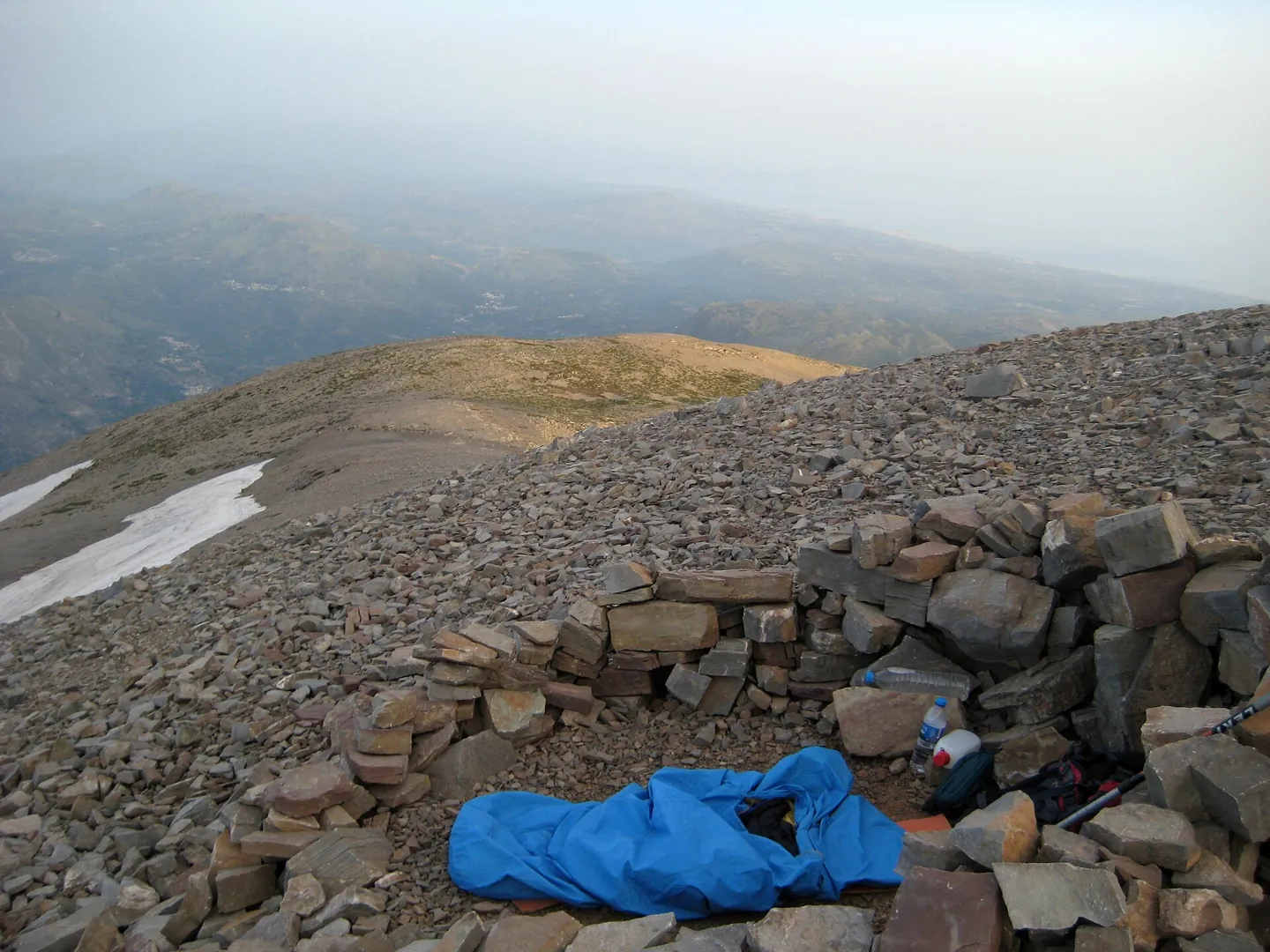
Choose and practise with an emergency bivvy or group shelter, including ventilation, ground insulation and limits in British weather.
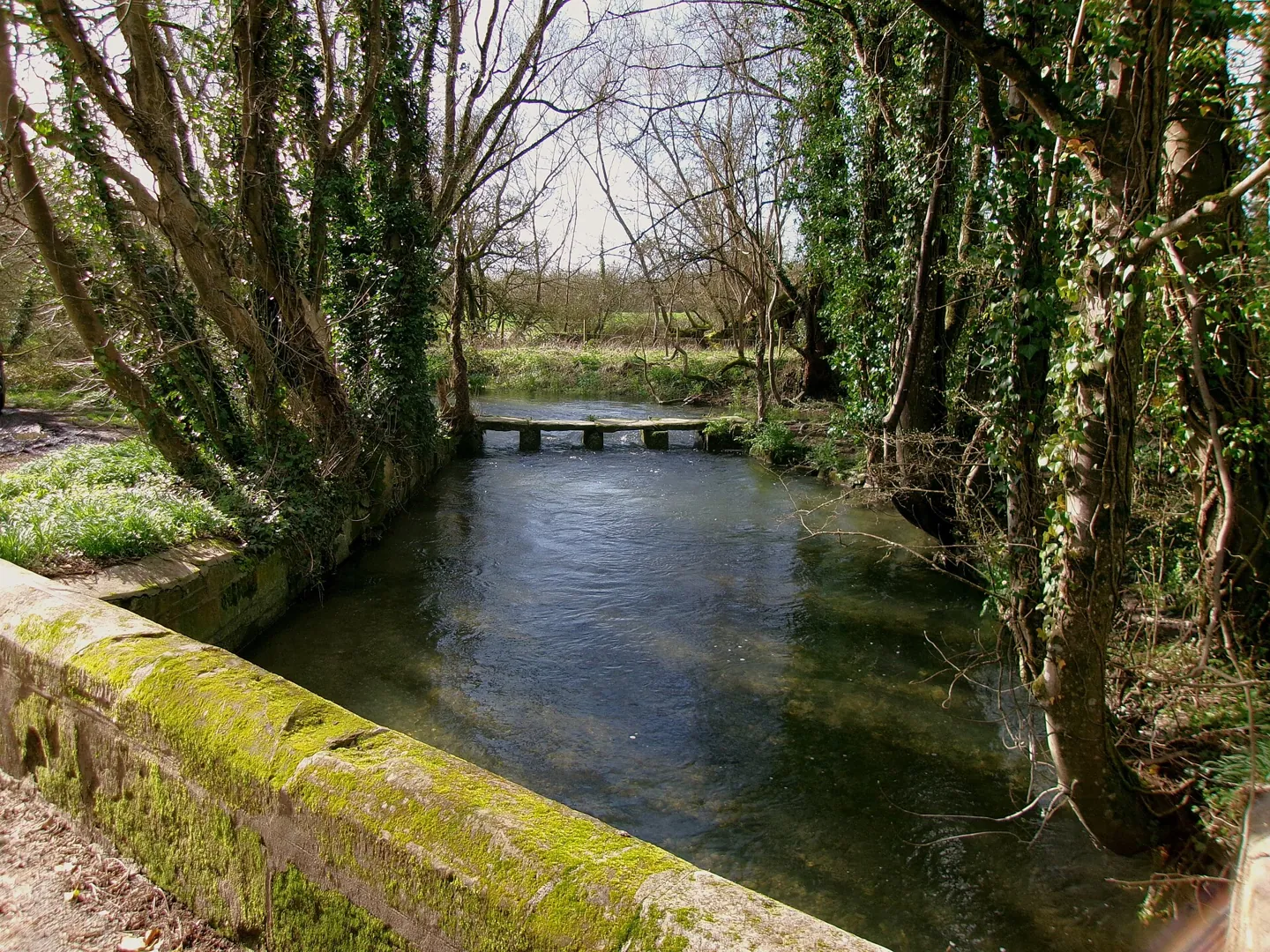
Plan UK walks around bridges, river levels and path closures. Know when to turn back and why flooded paths are not a wading problem.
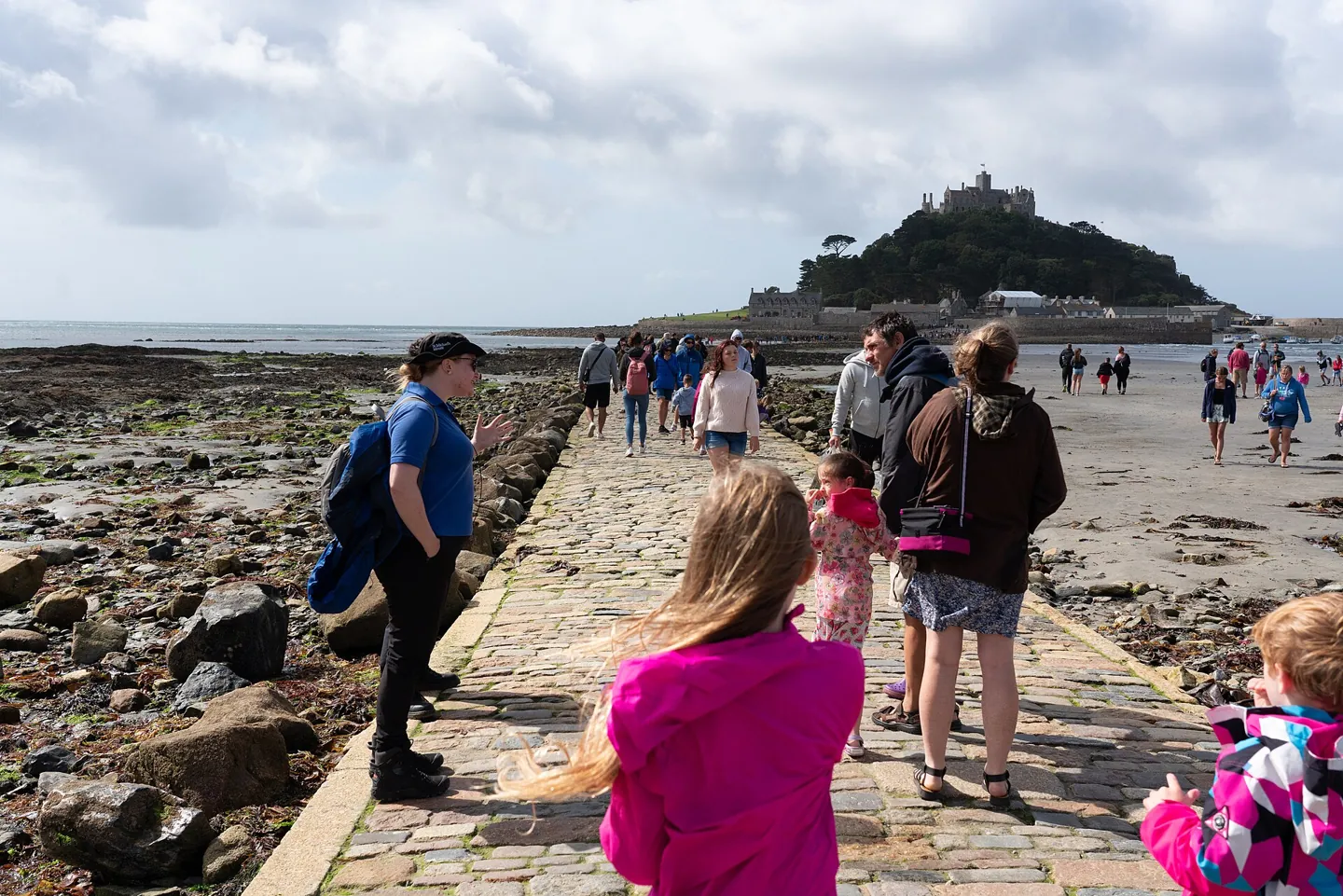
Plan coastal walks using local tide information, route-specific access advice and safe exits. Know when to turn back and call Coastguard.
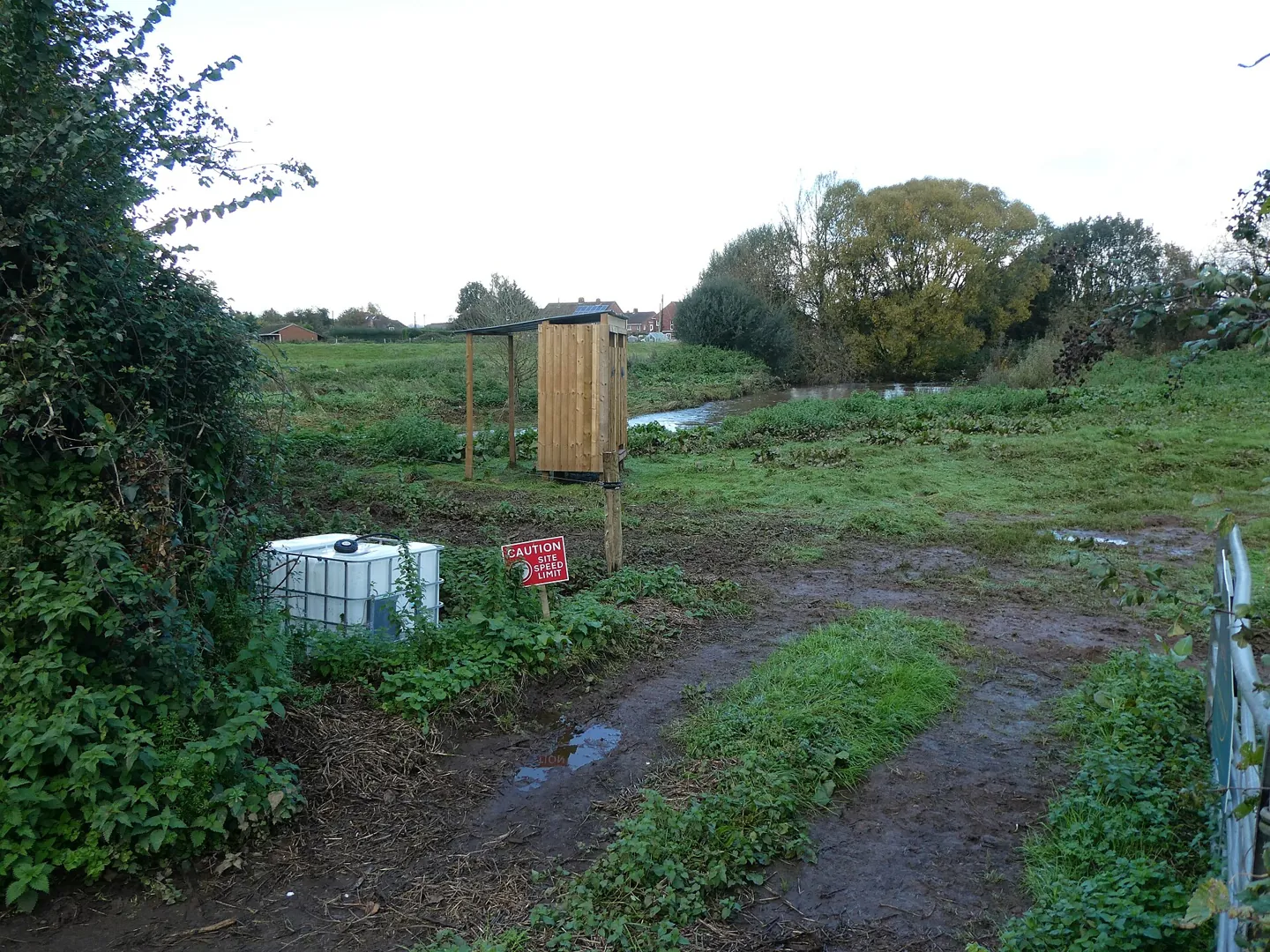
Plan campsite toilets, permitted waste disposal and handwashing. Understand why access rules and human-waste advice differ across the UK.