
On this page
- Plan toilets as part of the route
- Know which access rules apply
- Choose a toilet by its disposal requirements
- Where there are no toilets
- Build a handwashing station that people will use
- Empty portable toilets only at an accepted facility
- Arrange the camp to reduce mistakes
- Two different trips need different arrangements
- Check before leaving home
- Common questions
- Sources
Plan toilets as part of the route
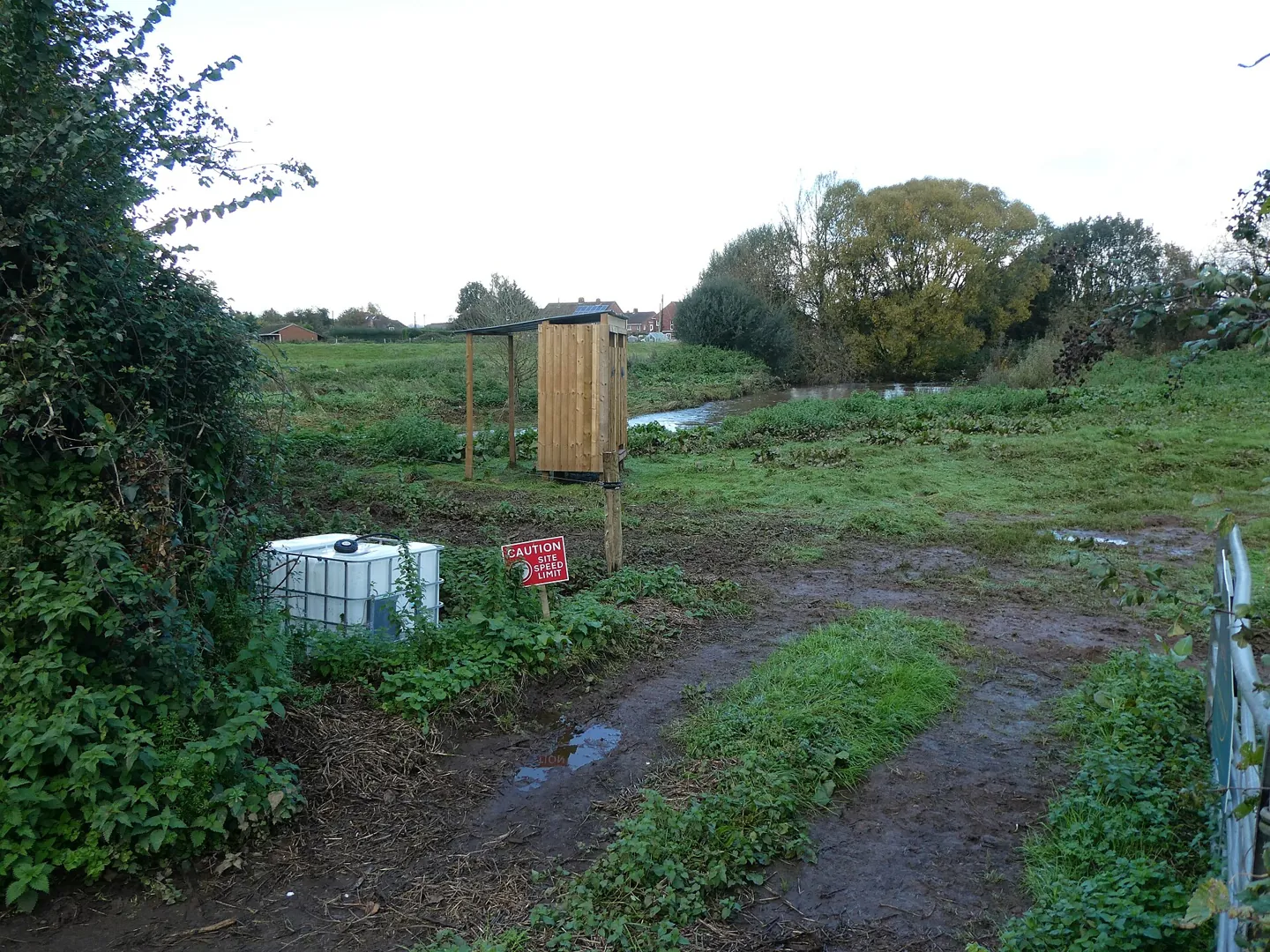
A camping plan needs an answer to a plain question: where will everybody go to the toilet, and what happens to the waste? Include the journey, overnight stay and departure day. A facility near the car park may close before you return, and a campsite's chemical disposal point may be separate from its ordinary toilets.
Start with sites and routes that offer usable facilities. Ask about opening hours, accessibility, water supply and whether toilet disposal is included for your type of stay. Do not infer that a public toilet accepts portable-toilet contents simply because it has a drain and running water.
Different people need different arrangements. Discuss privacy, assistance, mobility, menstruation, nappies, continence products and night-time access without embarrassment. Someone may reasonably decide that a trip without suitable toilets is not workable. Changing the destination is better than asking them to tolerate an arrangement they cannot safely use.

Full image attribution
8.22.2020 RedSalmonComplex BaseCamp SRF CAIIMT4 P1150388.jpg — Region 5 Photography; CC BY 2.0. Resized and converted to WebP; source: https://commons.wikimedia.org/wiki/File:8.22.2020_RedSalmonComplex_BaseCamp_SRF_CAIIMT4_P1150388.jpg
Know which access rules apply
There is no single UK wild-camping rule. Permission to walk across land is not automatically permission to camp, dig or dispose of waste. Check the country, the specific land and any current byelaws or restrictions. A social-media description of a favourite pitch is not evidence of permission.
The Countryside Code applies to England and Wales and identifies camping as an activity that may need landowner permission. Check the land manager's current instructions for the actual site. Access arrangements and exceptions should never be generalised from one national park to another.
In Scotland, the Scottish Outdoor Access Code describes responsible lightweight camping in small numbers, while explaining local restrictions and that access rights do not include motor vehicles. A campervan parked beside a loch is not the same access situation as a small tent reached on foot.
For Northern Ireland, use the relevant landowner or land manager's rules. For example, nidirect says camping outside designated areas in public forests requires Forest Service permission. That is specific guidance for those forests, not a claim that every piece of land follows the same procedure.
Choose a toilet by its disposal requirements
| Arrangement | Useful checks | Disposal question |
|---|---|---|
| Campsite toilet block | Opening, accessibility, lighting and distance | Which separate facilities accept portable-toilet waste? |
| Portable chemical toilet | Handling weight, seals, instructions and compatible additives | Where is the authorised chemical disposal point? |
| Bag-based portable toilet | Suitable liners, secure closure and containment | Which local waste stream accepts the used product? |
| Remote camping with no facilities | Permission, local environmental guidance and group size | Must waste be carried out, and where will it be accepted? |
Ask the destination about the precise product or waste type. "Biodegradable" does not mean that a bag, wipe or additive can be left in the countryside. Nor does a product marketed as compostable belong in a household compost heap after use as a toilet liner. The disposal route must accept the actual contents.
Consider weight after use. A tank that is easy to lift empty may be awkward when full. Choose manageable capacity and plan access to the disposal point without carrying a heavy container over steps or uneven ground. Do not fill beyond the manufacturer's limit to avoid an inconvenient trip.
Where there are no toilets
Follow the land manager's current instructions and the relevant national access guidance. Do not apply a universal hole depth or distance across the UK. Soil, watercourses, visitor numbers, protected habitats and local rules affect whether any burial is appropriate.
Scottish guidance, for example, gives options to bury human waste in an appropriate shallow hole or bag it and carry it away, well away from buildings, paths, water and livestock. It also asks campers to take away their belongings and litter. Read the full local guidance before deciding which option fits the place; in unsuitable ground or a busy area, carrying waste out may be the practical choice.
Do not dig beside a stream, in a popular pitch, on fragile vegetation or where a land manager prohibits it. Never leave waste under a stone as a shortcut. Avoid damaging peat, roots or archaeological features. If you cannot identify an acceptable arrangement, choose a campsite with toilets.
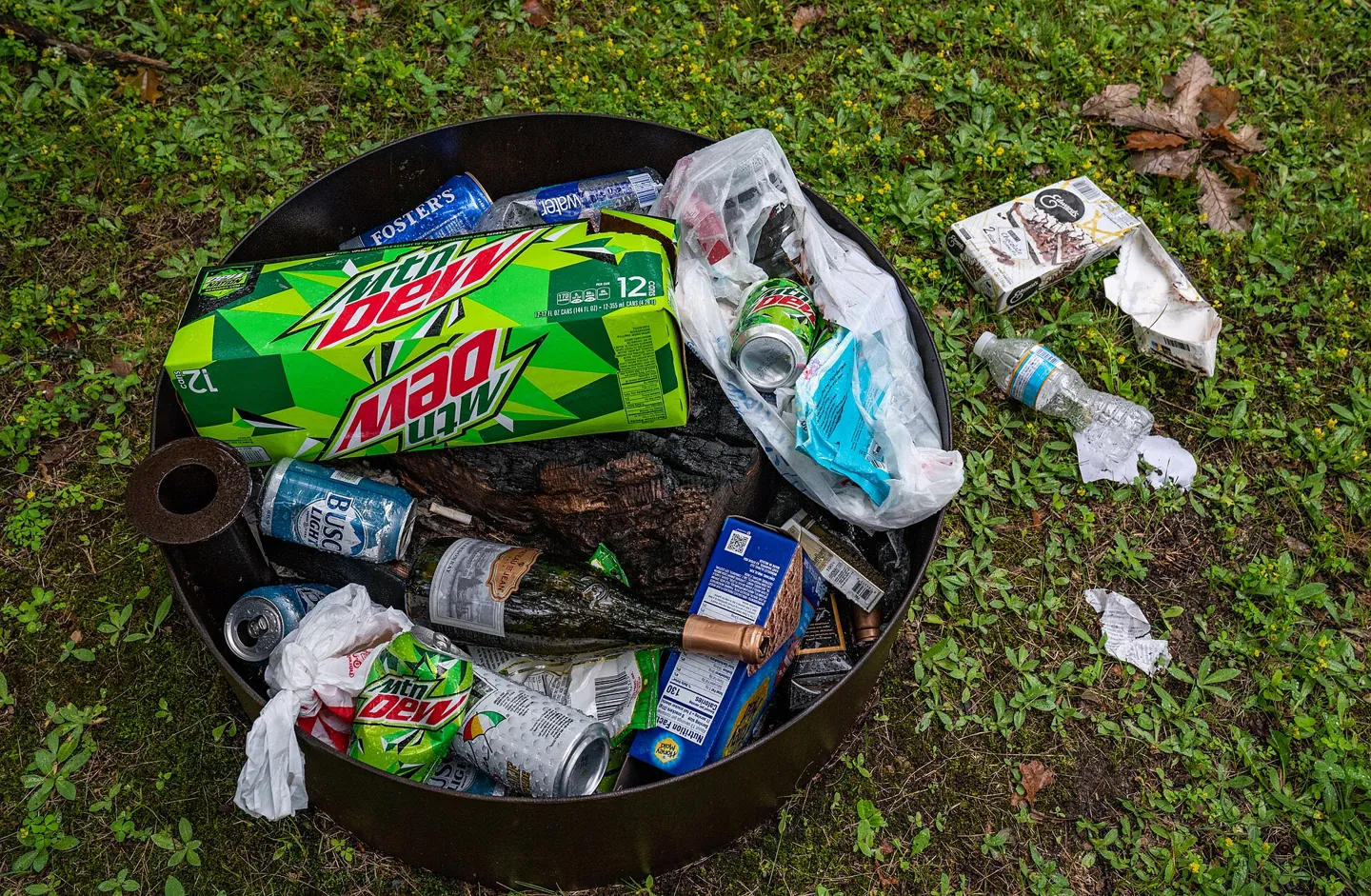
Take toilet paper, wipes, sanitary products and other litter away securely. Do not burn them. A small flame can damage ground or start a wildfire, and partly burnt material remains litter. Prepare the storage bag before it is needed so that wet weather or darkness does not become an excuse to leave material behind.
Build a handwashing station that people will use
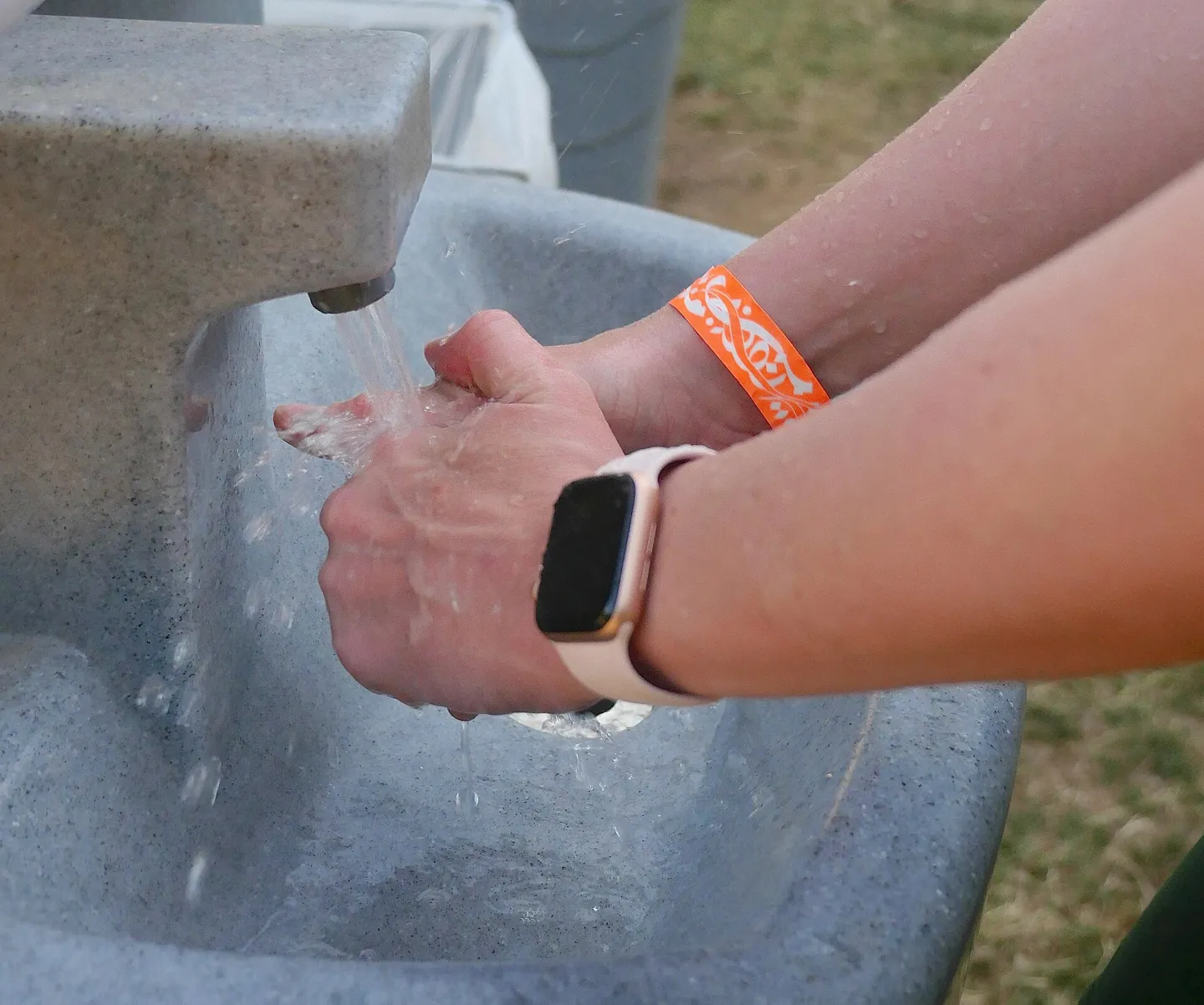
Carry water, soap and a way to dry hands. Put them where someone can wash immediately after using the toilet, without first touching shared food equipment. A small container with a controllable tap can be easier than asking a companion to pour while both people handle dirty items.
The NHS recommends washing hands with soap and water for around 20 seconds. Clean the backs of hands, between fingers and around fingertips as well as palms, then rinse and dry. Use the full method at the times it matters, especially after toileting and before preparing or eating food.
Hand sanitiser is useful when immediate washing is unavailable, but it should not become the entire toilet plan. NHS norovirus advice states that alcohol hand gels do not kill norovirus. Soap and water are particularly important after toilet use, handling waste or caring for somebody with vomiting or diarrhoea.
Keep handwashing water and equipment separate from drinking bottles and food utensils. Our safe water on walks guide explains why clear stream water is not automatically safe. Do not wash dirty toilet equipment in a natural watercourse or at a drinking-water tap.

Full image attribution
JGSDF Lifesaving System(portable container shelter, toilet) at Camp Shinodayama April 16, 2017.jpg — Hunini; CC BY-SA 4.0. Resized and converted to WebP; source: https://commons.wikimedia.org/wiki/File:JGSDF_Lifesaving_System(portable_container_shelter,_toilet)_at_Camp_Shinodayama_April_16,_2017.jpg
Empty portable toilets only at an accepted facility
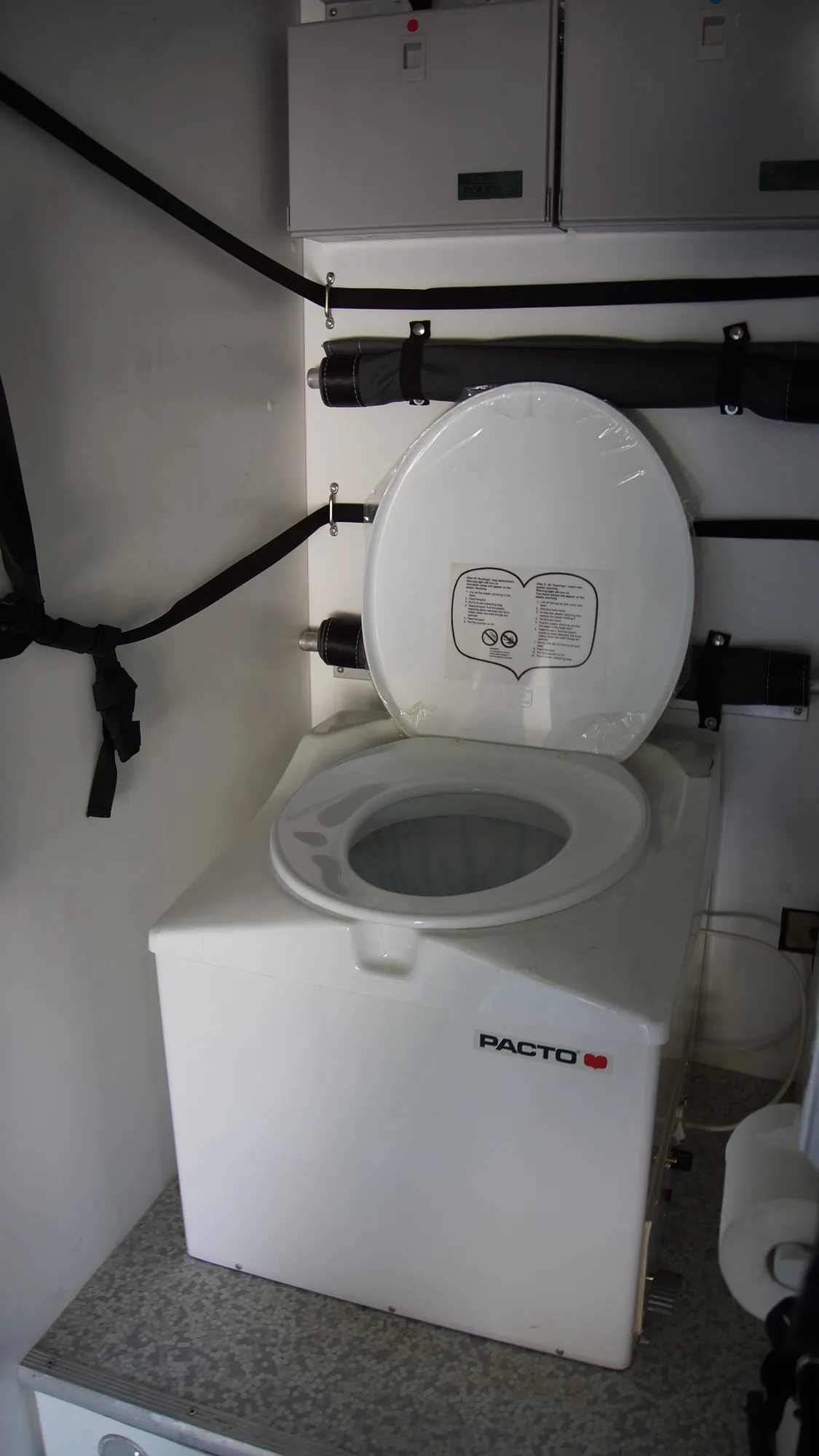
Read the toilet and additive instructions before the first trip. Locate the designated disposal point and ask staff how to use it if the signs are unclear. Wear suitable gloves for handling waste, protect cuts, avoid splashes and wash hands after removing the gloves. Gloves do not make contaminated handles or taps clean.
Do not pour contents into a stream, ditch, surface-water drain or unapproved hole. Do not assume an ordinary public toilet is suitable for a chemical toilet. Some facilities use treatment systems that restrict additives. Use only the accepted product and disposal method; changing to a different additive does not grant permission to empty anywhere.
Keep any rinsing hose designated for toilet waste away from drinking-water filling. Never connect contaminated equipment to a potable-water tap or immerse a drinking hose in a waste tank. Keep caps and clean fittings protected while handling the dirty parts.
For bag systems, confirm the accepted disposal route with the campsite or local waste authority before departure. Keep used bags in a secure secondary container during transport and follow the product instructions. Do not leave them beside a full bin or a locked disposal point. Have enough capacity to retain them until an appropriate facility is available.
Arrange the camp to reduce mistakes
Put toilet supplies in a distinct, closed container. Store spare bags, gloves and cleaning materials separately from cooking and drinking equipment. A colour or clear label helps, but explain the system to everyone rather than relying on an assumed colour code.
Keep the toilet stable and provide a safe route at night. Consider children reaching it without tripping over guy lines and anyone who needs help standing. Position privacy screens only where permitted and do not make a tent entrance or emergency exit harder to use. A torch that can be reached without rummaging is a practical part of the sanitation plan.
Plan where wash water goes according to the site's instructions. Do not direct it into a stream or towards another pitch. A camping soap labelled biodegradable still needs appropriate disposal; the label is not permission to wash in a watercourse.
If illness begins, reduce shared handling of food and ask for appropriate medical advice when needed. Do not diagnose every stomach upset as a camping inconvenience. Know the nearest usable address or access point for help, especially where a postcode covers a wide rural area.

Full image attribution
Campsite Litter - Picnic Area Trash (29696001138).jpg — Tony Webster from Minneapolis, Minnesota, United States; CC BY-SA 2.0. Resized and converted to WebP; source: https://commons.wikimedia.org/wiki/File:Campsite_Litter_-_Picnic_Area_Trash_(29696001138).jpg
Two different trips need different arrangements
A family using a managed campsite in Yorkshire may need no portable toilet at all. Confirmed accessible facilities, a torch for the path, soap and a clear plan for a child's night-time visit may solve the problem. Buying a tank can add handling and disposal work without improving the trip.
A small group planning a permitted remote trip in Scotland must consider the lack of facilities, fragile ground and how to carry waste to an accepted disposal point. Each person's needs affect the route and duration. If the group cannot manage the waste appropriately, the route needs to include facilities or the overnight location needs to change.
Household sanitation during a water outage is a different situation, especially if sewers are affected. Use the water-outage toilet guide for that context. A camping product does not override a utility's instructions about sewer problems.
Check before leaving home
- Permission and site rules checked for the exact location.
- Usable toilets or an agreed alternative for every person.
- Accepted disposal location and opening hours confirmed.
- Suitable containers, spare capacity and handling method ready.
- Soap, water, drying materials and lighting packed accessibly.
- Food and drinking equipment separated from toilet supplies.
- A fallback campsite or shorter route if facilities are unavailable.
For an unplanned delay on the walk, also review emergency shelter and what to do when lost. Keep the trip's contact information with your essential documents, and use the kit-checking routine to replace damaged containers.
Common questions
Can I bury waste anywhere I may camp?
No. Camping access and waste disposal are separate questions. Follow local guidance and permission conditions, and carry waste out where burial is unsuitable or prohibited.
Are wet wipes enough for hand hygiene?
Do not make them the planned replacement for soap and water after toilet use. Carry a workable handwashing arrangement and remove used wipes as waste.
Can chemical toilet contents go into any toilet?
No. Use an authorised disposal facility that accepts the contents and additive. Ask the operator before emptying if there is any uncertainty.
Does a biodegradable bag belong in the ground?
No. Follow its actual disposal instructions and the receiving facility's rules. The label alone says nothing about whether burying used toilet waste is permitted or environmentally appropriate at your pitch.
Sources
- Natural England and Natural Resources Wales: The Countryside Code: advice for countryside visitors. Checked 2 November 2026.
- NatureScot: Camping. Checked 2 November 2026.
- nidirect: Stay safe and be responsible in public forests. Checked 2 November 2026.
- NHS: How to wash your hands. Checked 2 November 2026.
- NHS: Norovirus. Checked 2 November 2026.