Severe bleeding: recognise an emergency and get help
Recognise severe bleeding, call 999 or 112, use direct pressure safely and prepare your household to help without delaying treatment.
The guide library
Guides for planning around common disruptions. Read the guide that matches your household.
Showing 25–36 of 40 matching guides · Clear search and filters
Recognise severe bleeding, call 999 or 112, use direct pressure safely and prepare your household to help without delaying treatment.
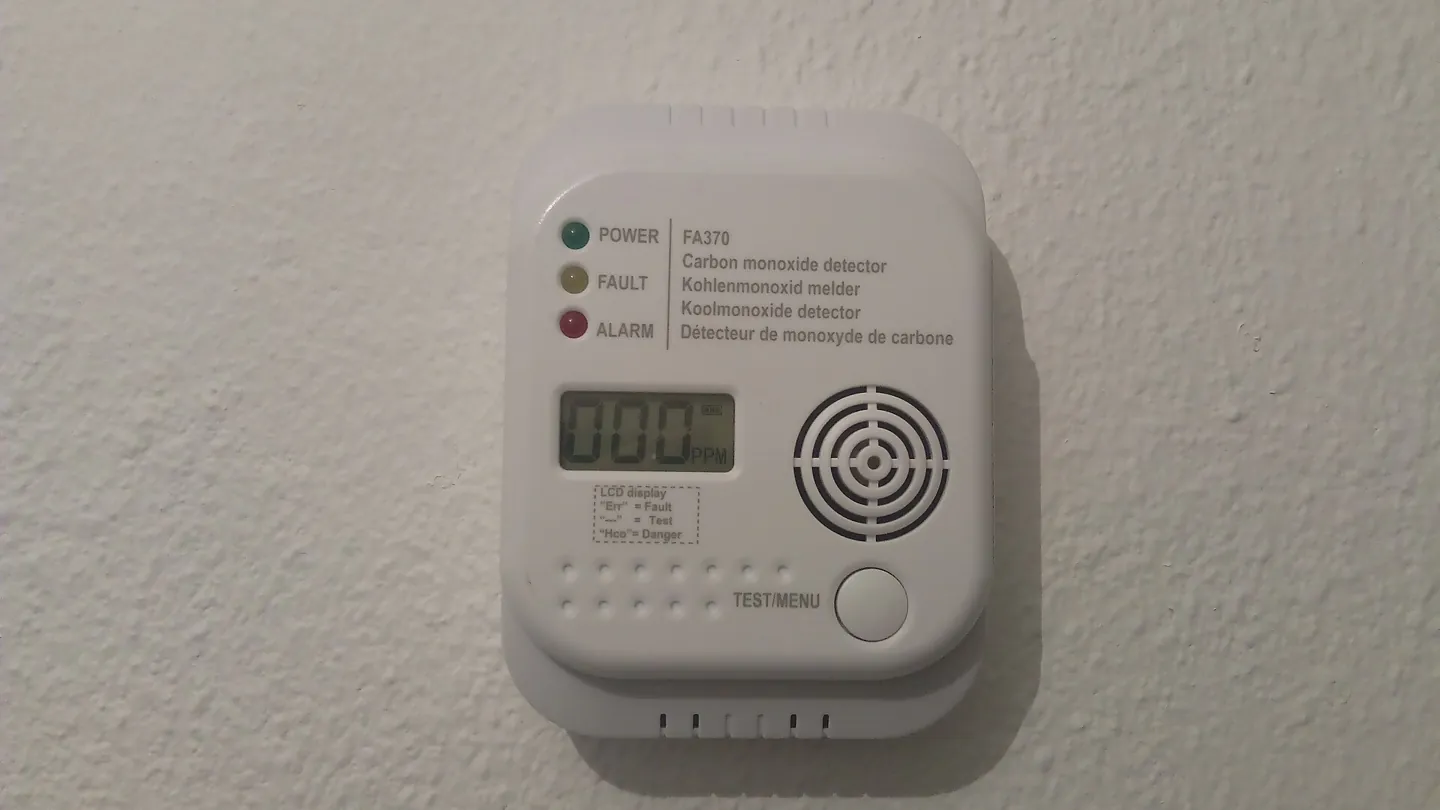
Choose suitable smoke, heat and CO alarms, check the rules for your UK nation, record replacement dates and know how to respond.
Find exits, alarms, utility contacts and essential local services during your first week in a new home, with practical checks for houses and flats.
Check whether a permanent home battery supports power-cut backup, which circuits work, runtime limits and questions for a qualified installer.
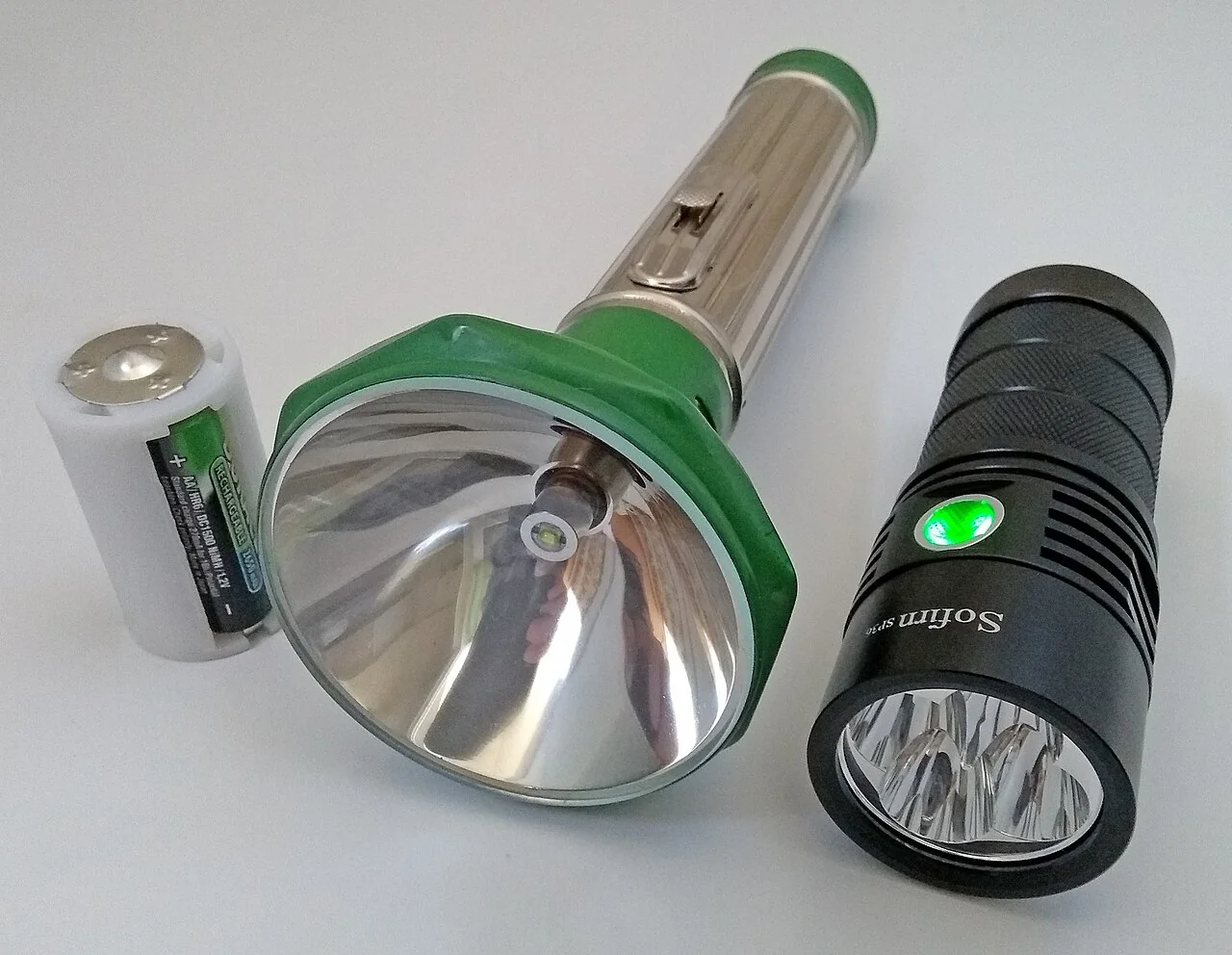
Build a three-day home emergency kit around meals, water, lighting, communication and everyday care, with a practical test before you pack it away.
A practical review of emergency food, water, batteries, contacts and household needs, with a short action list for anything that no longer works.
Choose useful paper and digital records, protect sensitive information and set a sensible cash amount for household disruption.
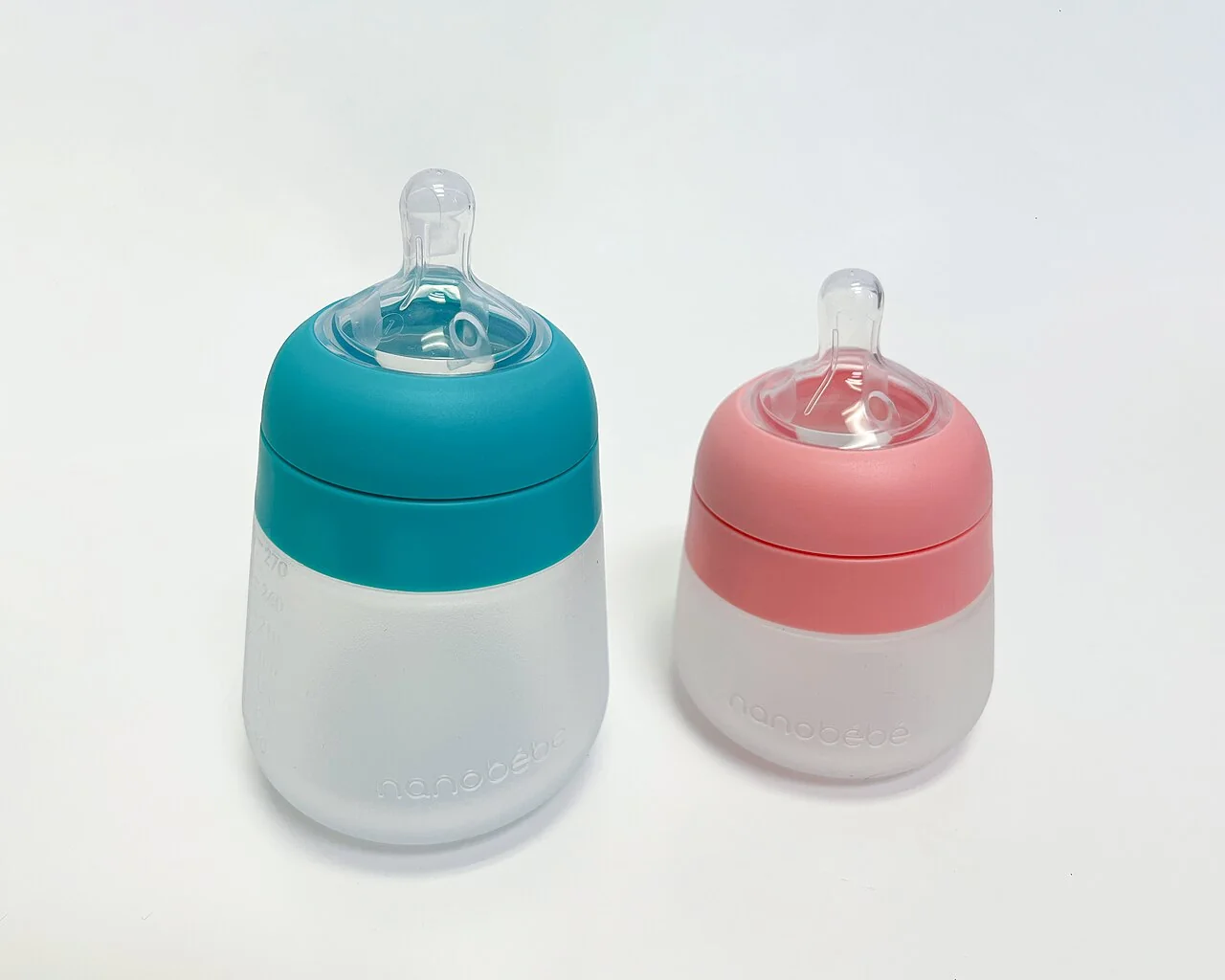
Plan for a UK power cut or evacuation with a baby, including safe feeding, sterilising, nappies, records and somewhere suitable to sleep.
Make a UK pet emergency plan with familiar food, water, medicines, carriers, identification and somewhere suitable to stay.
Prepare a rented home with clear repair contacts, portable supplies and building information, with links to the rules in each UK nation.
Pack a practical UK emergency grab bag for a temporary move, with medicines, contacts, clothing and a realistic carrying test.
Make an emergency plan with an older relative, covering accessible supplies, care, digital landlines, medicine information and agreed check-ins.