
On this page
- Decide what communication you need
- Understand the current licensing route
- Do not confuse supervised practice with a personal licence
- Learn before building a station
- Map the full communication path
- Create a modest practice routine
- Plan power without creating a new hazard
- Keep the emergency role realistic
- Use concise messages and protect personal details
- Common questions
- Sources
Decide what communication you need
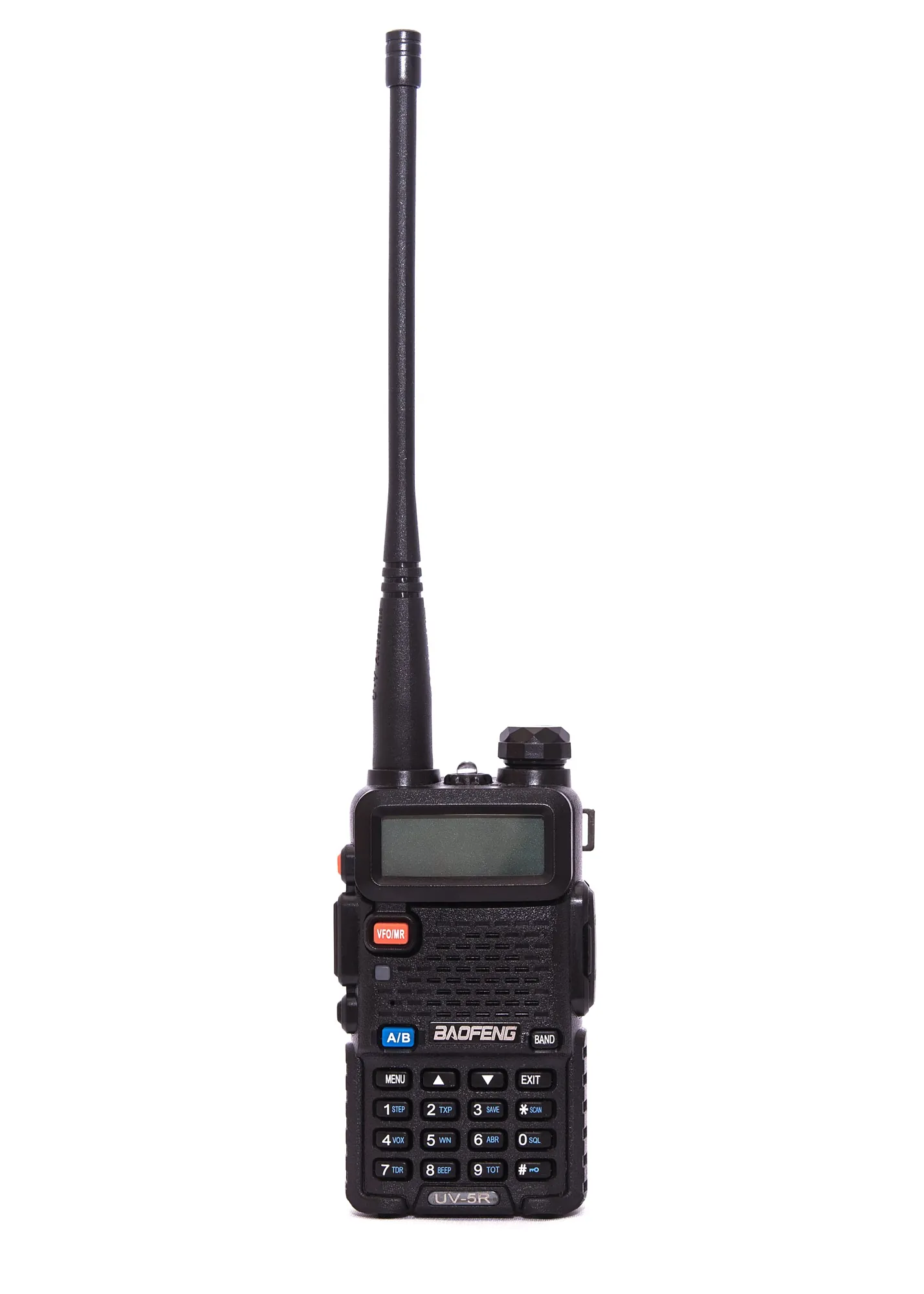
Amateur radio can be a rewarding technical hobby and a useful way to develop communication skills. It is not a guaranteed emergency telephone. Before buying a transmitter, describe the actual task: receiving public information, talking to another trained person, practising local communication or supporting an organised volunteer service.
These are different jobs. A broadcast receiver can provide news without an amateur transmitting licence. A pair of amateur handhelds needs lawful operation at both ends and a usable radio path. An organised emergency network needs trained people, agreed procedures and a link to the organisation requesting help.
If your immediate aim is household news during an outage, start with emergency radio and communications and finding local broadcast stations. Amateur radio is an additional learning commitment, not the necessary first purchase for every prepared household.

Full image attribution
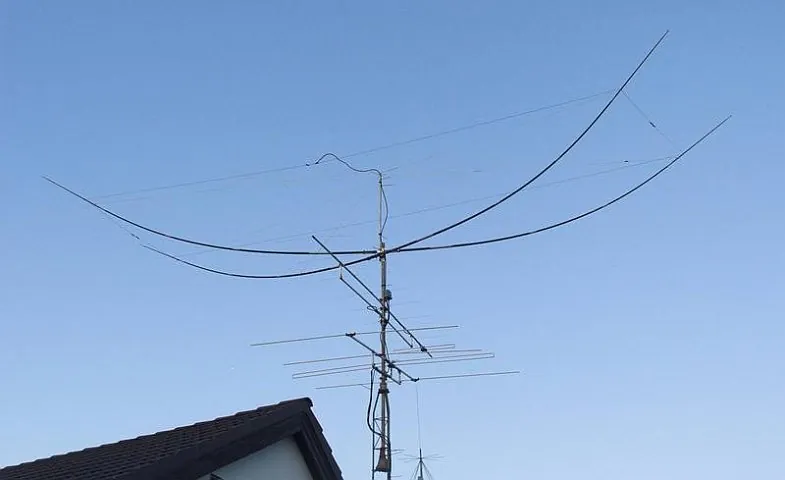
Moxon Antenne 20m.jpg — Dl1oli; CC BY-SA 3.0. Resized and converted to WebP; source: https://commons.wikimedia.org/wiki/File:Moxon_Antenne_20m.jpg
Understand the current licensing route
Ofcom regulates UK amateur radio. The recognised personal licence levels are Foundation, Intermediate and Full. The Radio Society of Great Britain's student information explains training and examinations. Foundation is the usual starting point for a new operator; use current course material rather than an old collection of examination answers.
Passing an examination and holding an issued licence are separate steps. Follow the current application process through Ofcom's amateur radio information and licensing portal. Read the issued licence and its conditions before transmitting independently. A radio bought online does not include permission to use every frequency it can select.
Ofcom has revised its amateur framework, including changes implemented in October 2025. Old advice about call signs, supervision or permissions may be out of date. Use the current documents linked by Ofcom when planning a station or returning after a long break.
The current Ofcom guidance requires revalidation at least every five years. Keep contact details accurate and retain access to the licensing account. Put a reminder in your ordinary calendar instead of assuming that a lifetime licence needs no attention.
Do not confuse supervised practice with a personal licence
The current Ofcom licence conditions permit use by another person with the licensee's permission under direct supervision, subject to the conditions. That can support a club introduction. It does not allow a family member to take your handheld away and operate independently under your call sign.
Ask a club how it runs supervised sessions and who is responsible. A competent introduction should cover identifying the station, listening before transmitting and avoiding interference as well as pressing the transmit button. Do not assume a demonstration at an event grants any continuing permission afterwards.
Each licence level has its own operating permissions. Bands, power limits, location conditions and technical requirements need to be checked against the current licence. This guide does not publish a shortcut frequency or power table because a simplified list can hide exceptions that matter to the operator.
Learn before building a station
Contact a local club or a suitable training provider and explain what interests you. Ask whether teaching is online or in person, what materials are current, how practical support works and what examination arrangements apply. Choose an approach you can sustain rather than rushing to qualify before an imagined crisis.
Learn enough electrical and radio safety to understand the equipment you intend to use. Antenna placement, cables, power supplies and electromagnetic-field requirements are part of operating responsibly. A low purchase price does not reduce those responsibilities.
Use a borrowed or supervised setup where available before buying. Find out whether you enjoy the practical work of making contacts, solving poor reception and keeping accurate notes. A radio that stays in a drawer because its menus are confusing is unlikely to become easier during a power cut.
Map the full communication path
| Part of the path | Question to ask | Possible failure |
|---|---|---|
| Your station | Can you operate it lawfully and power it safely? | Flat battery, wrong setting or unsuitable antenna |
| Radio path | Does it work from the intended location? | Terrain, building screening or interference |
| Intermediate equipment | Does it rely on a repeater or internet link? | Local outage removes the assumed relay |
| Other operator | Are they equipped, available and listening? | No receiver is monitoring at that time |
| Message recipient | Can the information reach the person who can act? | A contact is made but no onward action is arranged |
A repeater receives and retransmits signals to help extend coverage. Its location, power and supporting equipment create dependencies of their own. Some systems also use internet links. Ask how the local arrangement works instead of assuming every contact you hear is entirely independent of public infrastructure.
Direct radio contact can avoid a relay but still requires suitable equipment and a usable path. Range claims on packaging do not establish performance through your building or across your local hills. A successful conversation once, in one position, is useful evidence for that occasion, not a promise for every outage.

Full image attribution
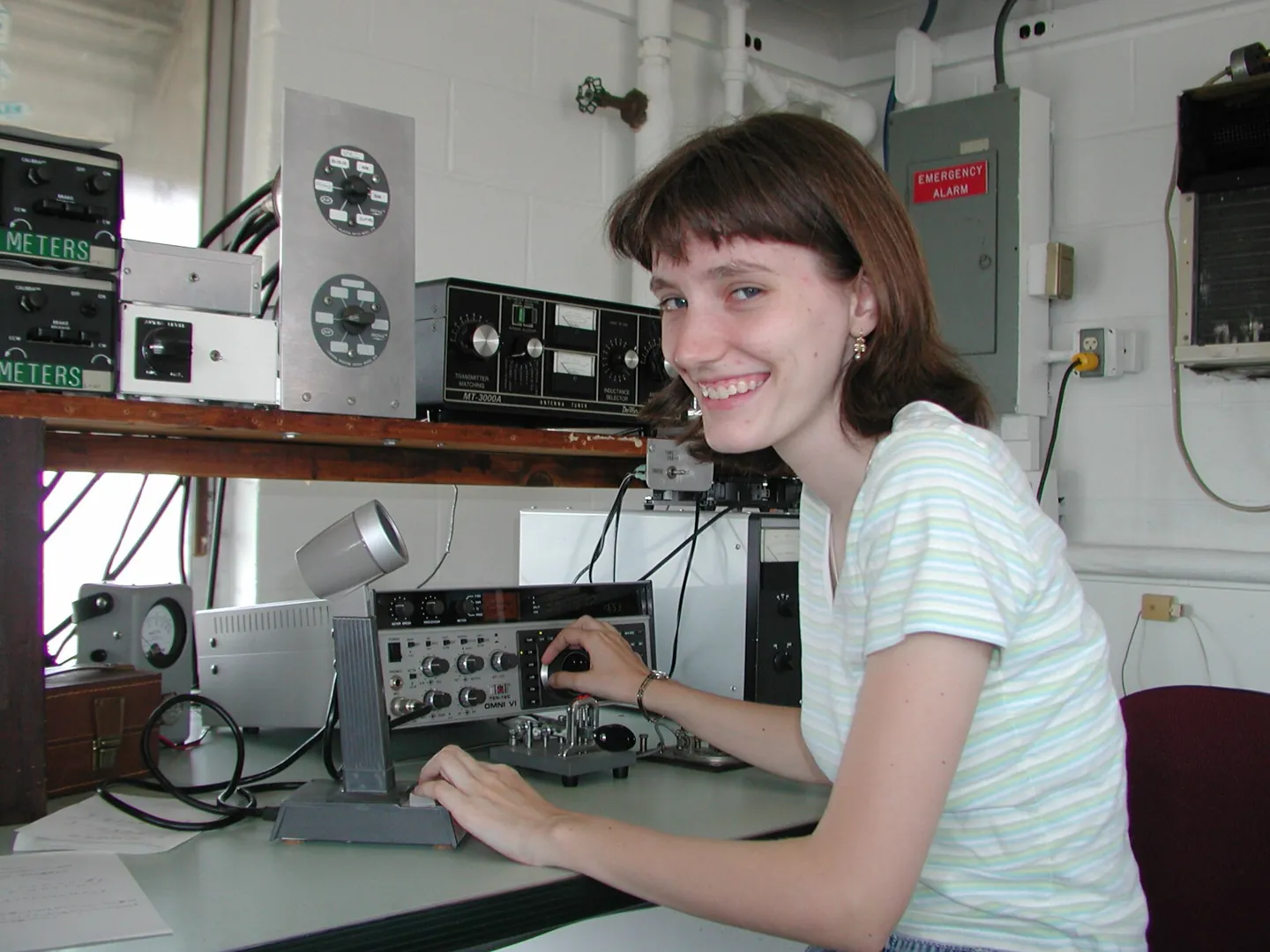
HamRadioGirl.jpg — Andromeda321 at en.wikipedia (Yvette Cendes); CC BY-SA 3.0. Resized and converted to WebP; source: https://commons.wikimedia.org/wiki/File:HamRadioGirl.jpg
Create a modest practice routine
Once licensed, learn the normal operating conventions for the bands and modes you use. Listen, use your call sign as required and keep transmissions clear. Join organised practice activity with experienced operators, and ask for feedback on intelligibility and operating habits.
Agree a lawful practice session with another operator, using this checklist:
- Write down the purpose, locations and equipment.
- Confirm both operators' licence permissions cover the intended activity.
- Agree when the session begins and ends.
- Keep test messages clearly identified as an exercise.
- Record which messages were received and understood.
Do not make false distress calls or use emergency language to make a test sound realistic.
Use a simple message exercise. One person sends a fictional request for five sealed boxes at a named practice point; the other writes it down and reads it back. Check whether quantities, names and times survived accurately. The aim is reliable information, not merely a signal-strength report.
Record limitations as carefully as successes. If communication fails from the kitchen but works from an upstairs room, do not describe it as whole-house coverage. Repeat checks only when there is a reason, such as moving equipment or changing the intended location. Avoid turning routine practice into an unsupported claim of emergency reliability.
Plan power without creating a new hazard
Read the radio and charger instructions, including supply voltage, connectors and charging limits. Use compatible equipment and protect battery terminals from short circuits. Do not improvise a household wiring connection or assume an unfamiliar power bank supports the required output.
Measure or obtain the relevant power information for listening and transmitting. Transmitting can use much more energy, so a standby runtime claim may not describe an active session. Keep a realistic charging schedule and a plan for what happens when stored energy is exhausted.
For household batteries, see whether a home battery operates in a power cut. Even where backup exists, the radio's socket may not be on a protected circuit. A separate charging arrangement may be simpler, but it still needs compatibility checks.
Do not erect an antenna near overhead power lines or climb onto a roof during bad weather to improve a signal. Plan safe, permitted installations beforehand and seek competent help where needed. Technical ambition should not create an avoidable fall or electrical hazard.
Keep the emergency role realistic
In an emergency, call 999 or 112 through the normal available route. Amateur channels are not continuously monitored emergency-call services, and contact with an operator does not guarantee that emergency services have been notified. Do not delay an available emergency call while trying to reach a hobby contact.
The licence contains provisions for supporting emergency communications, but these are not blanket permission for an unlicensed person to transmit anywhere. Plan lawful arrangements in advance. Do not buy a wideband radio on the assumption that regulations disappear during disruption.
If organised emergency communication interests you, consider RAYNET membership. RAYNET describes technical, operational, managerial and administrative roles, and notes that an amateur licence is not required for every membership role. The organisation determines training, duties and lawful operating arrangements.
Follow the group's tasking process. Do not arrive at an incident with a radio and offer yourself as an unofficial dispatcher. The community emergency volunteering guide explains why clear responsibility, safeguarding and coordinated work matter.

Full image attribution
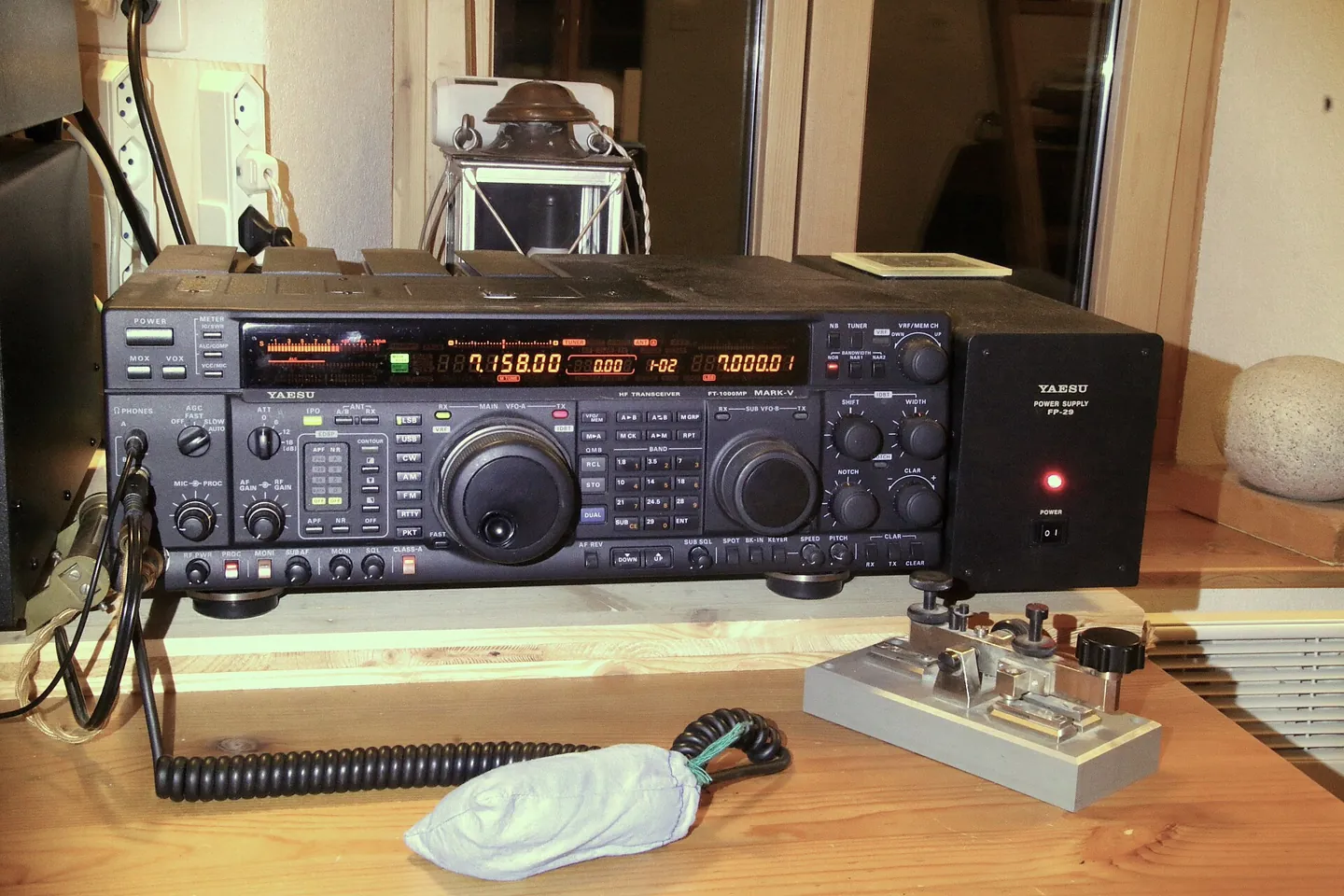
YAESU FT1000MP Mark-V.jpg — Hp.Baumeler; CC BY-SA 4.0. Resized and converted to WebP; source: https://commons.wikimedia.org/wiki/File:YAESU_FT1000MP_Mark-V.jpg
Use concise messages and protect personal details
Assume that other people may hear ordinary amateur transmissions. Do not use them casually to discuss private medical information, account details or a neighbour's vulnerability. An organised service should have an approved procedure for necessary sensitive messages; follow that procedure and the licence conditions.
Keep a record of the message, time and whether it was acknowledged where the task requires it. Receiving a signal is not the same as understanding a request, and understanding it is not the same as completing the action. Read back essential names and quantities, and report uncertainty honestly.
Combine radio with ordinary household arrangements. The mobile-outage guide covers other communication options, while the continuity plan identifies which messages actually matter. A useful communications plan names people and decisions rather than collecting devices.
Common questions
Can I buy a handheld before I have a licence?
Buying equipment does not authorise amateur transmission. Learn the rules and consider a supervised club introduction before buying so that the equipment matches your intended lawful use.
Will a handheld reach my family across the county?
Do not assume it will. Terrain, antennas, equipment, relays and the other operator's availability determine whether a particular contact works. Plan from observed conditions rather than advertised range.
Does one licence cover everyone in the household?
No. Supervised operation is a specific arrangement under the licence conditions, not permission for independent use by every family member. Check Ofcom's current rules.
Is there one national amateur emergency channel?
Do not treat any amateur frequency as a replacement for 999. An organised group may have agreed channels and procedures, but those arrangements are not a public emergency-call service.
Can I volunteer before passing the exam?
Some organisations, including RAYNET, have non-transmitting roles. Ask about available work and training; membership itself does not grant transmitting privileges.
Sources
- Ofcom: Information for amateur radio licensees. Checked 2 November 2026.
- Ofcom: Amateur radio licence terms and conditions OFW611. Checked 2 November 2026.
- Ofcom: Amateur radio guidance for licensees. Checked 2 November 2026.
- Ofcom: Implementing phase 2 and 3 of the amateur review. Checked 2 November 2026.
- Radio Society of Great Britain: Student information. Checked 2 November 2026.
- RAYNET UK: Membership. Checked 2 November 2026.