
On this page
- Choose a role that solves a real problem
- Be honest about availability and needs
- Compare ordinary and specialist roles
- Ask practical questions before committing
- Wait for a clear task and reporting point
- Use the briefing to establish limits
- Protect privacy while keeping useful records
- Separate confirmed information from reports
- Finish the shift properly
- A community centre during a local outage
- Common questions
- Sources
Choose a role that solves a real problem
During a local emergency, useful work includes keeping a list of requests, explaining verified information, organising supplies and checking that an agreed welfare call has happened. These tasks can be less visible than rescue work, but they help the response function. You do not need specialist equipment or exceptional fitness to ask where your skills would be useful.
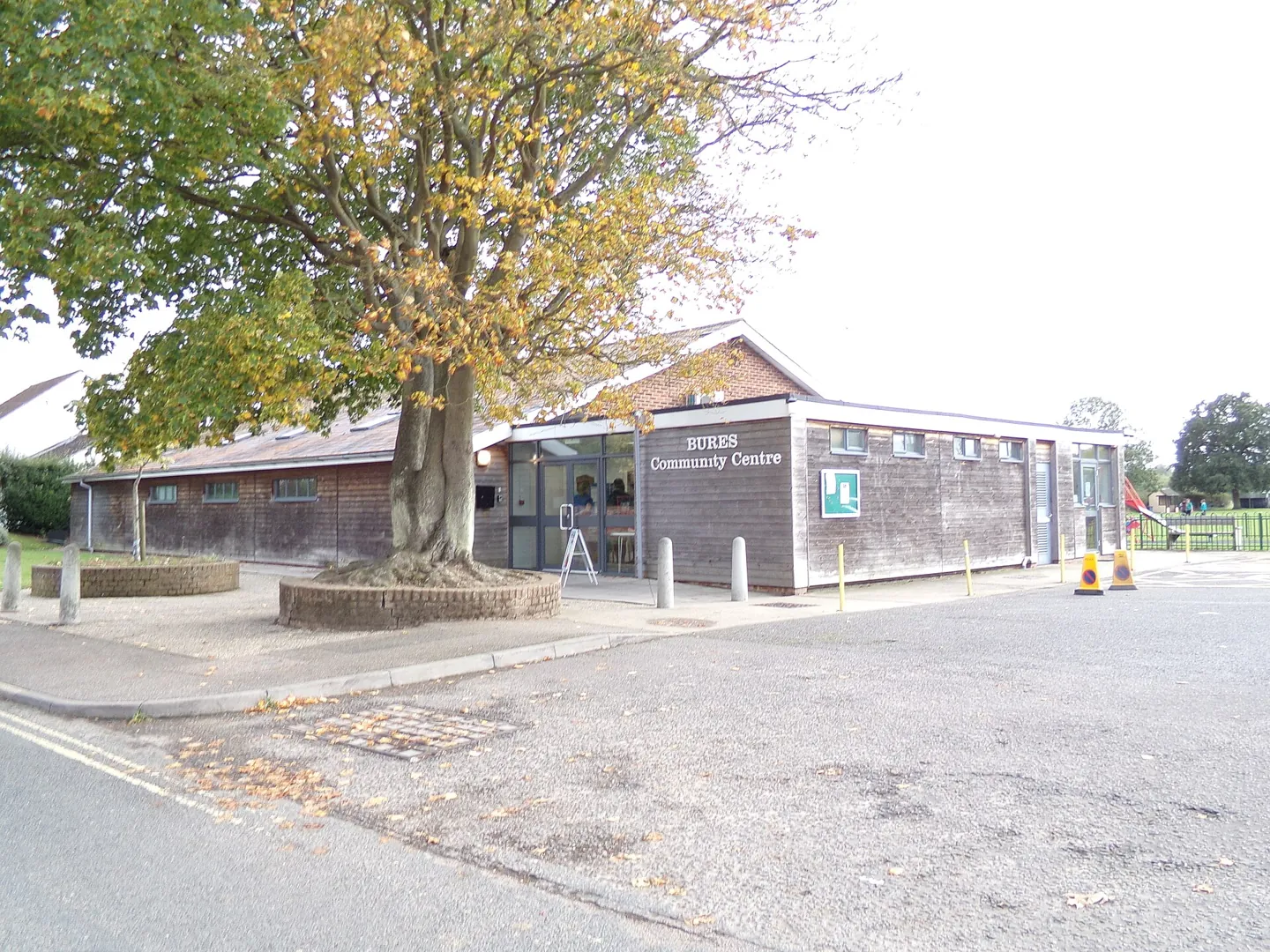
Start with an existing organisation or your council's community resilience contact. Ask what roles they need throughout the year, how volunteers are trained and how an emergency response is activated. A group that already knows you can assess your availability and place you where you can contribute safely.
The government's Be Ready volunteering guidance encourages joining or supporting local groups before an emergency. It also points to volunteering routes for the different UK nations. An established local disability group, community centre or food-support organisation may offer a better fit than a specialist response team.

Full image attribution
Bures Community Centre - geograph.org.uk - 6300038.jpg — Geographer; CC BY-SA 2.0. Resized and converted to WebP; source: https://commons.wikimedia.org/wiki/File:Bures_Community_Centre_-_geograph.org.uk_-_6300038.jpg
Be honest about availability and needs
Tell the organiser when you can help, how you travel and what would prevent you attending. Caring responsibilities, work, disability, health conditions and lack of transport do not automatically rule out volunteering. They do affect which role is realistic. A dependable hour of remote administration can be more useful than an open-ended promise.
Explain any adjustments you need. Ask about accessible venues, breaks, communication methods and whether tasks can be shared. Do not agree to physically demanding work because you feel it is the only worthwhile contribution. Useful planning includes protecting the volunteer's own health.
Prepare your household first. If you may be asked to help elsewhere, discuss who handles essential tasks at home. Our household continuity guide helps identify those dependencies. A response plan that relies on you abandoning an unsupported dependent is not workable.
Compare ordinary and specialist roles
| Possible role | Useful ability | Boundary to agree |
|---|---|---|
| Telephone or welfare check-in | Listening and accurate notes | Escalation when someone does not answer or needs clinical help |
| Reception or information desk | Calm communication and accessible explanations | Only publish confirmed information; protect personal details |
| Supplies administration | Stock records and organisation | Handling limits, food safety and who authorises distribution |
| Transport support | Appropriate licence and local knowledge | Insurance, vehicle suitability, passenger needs and safe routes |
| Communications support | Technical or administrative interest | Training, lawful radio use and the organisation's tasking process |
| Rescue or technical response | Role-specific competence and sustained training | Formal selection and operational authorisation |
A previous job title is useful information, not automatic authorisation. A retired clinician, electrician or driver may need current credentials, insurance and organisation-specific training before using those skills. Explain experience honestly and let the organisation determine what role it can support.
Do not buy a uniform, radio or protective equipment before the coordinator explains what is required and supplied. Matching equipment, identification and training matter more than looking prepared. Keep your own basic clothing, medication and food arrangements appropriate to the role, without turning a volunteer application into a shopping project.
Ask practical questions before committing
Find out who supervises the role, how tasks are assigned and how you raise a concern. Ask what training is compulsory, whether refresher sessions are needed and which costs are reimbursed. Clarify insurance and whether private vehicles, equipment or home working are covered for the proposed activity.
Ask about safeguarding, lone working and personal information. Different tasks can require different checks; do not assume every volunteer needs the same background check or that a previous check transfers automatically. The organisation should explain the arrangements for your role and UK nation.
The Health and Safety Executive advises volunteers to cooperate with their organisation, take care of safety and raise concerns with a supervisor. Its legal guidance has a particular jurisdiction and context; groups in Northern Ireland should use the relevant local requirements. In every setting, uncertainty about safe working is a reason to ask before starting.
Wait for a clear task and reporting point
When an incident occurs, follow your group's activation procedure. Do not travel to the scene merely because you have seen photographs or an appeal shared by a friend. Roads may be closed, access may be needed for emergency vehicles and the organiser may already have enough people at that location.
Confirm who is requesting help, where to report, what the task involves and how long the shift is expected to last. Use a known organisational contact if a message seems unusual. A forwarded screenshot with no date can send volunteers to a centre that has closed or moved.
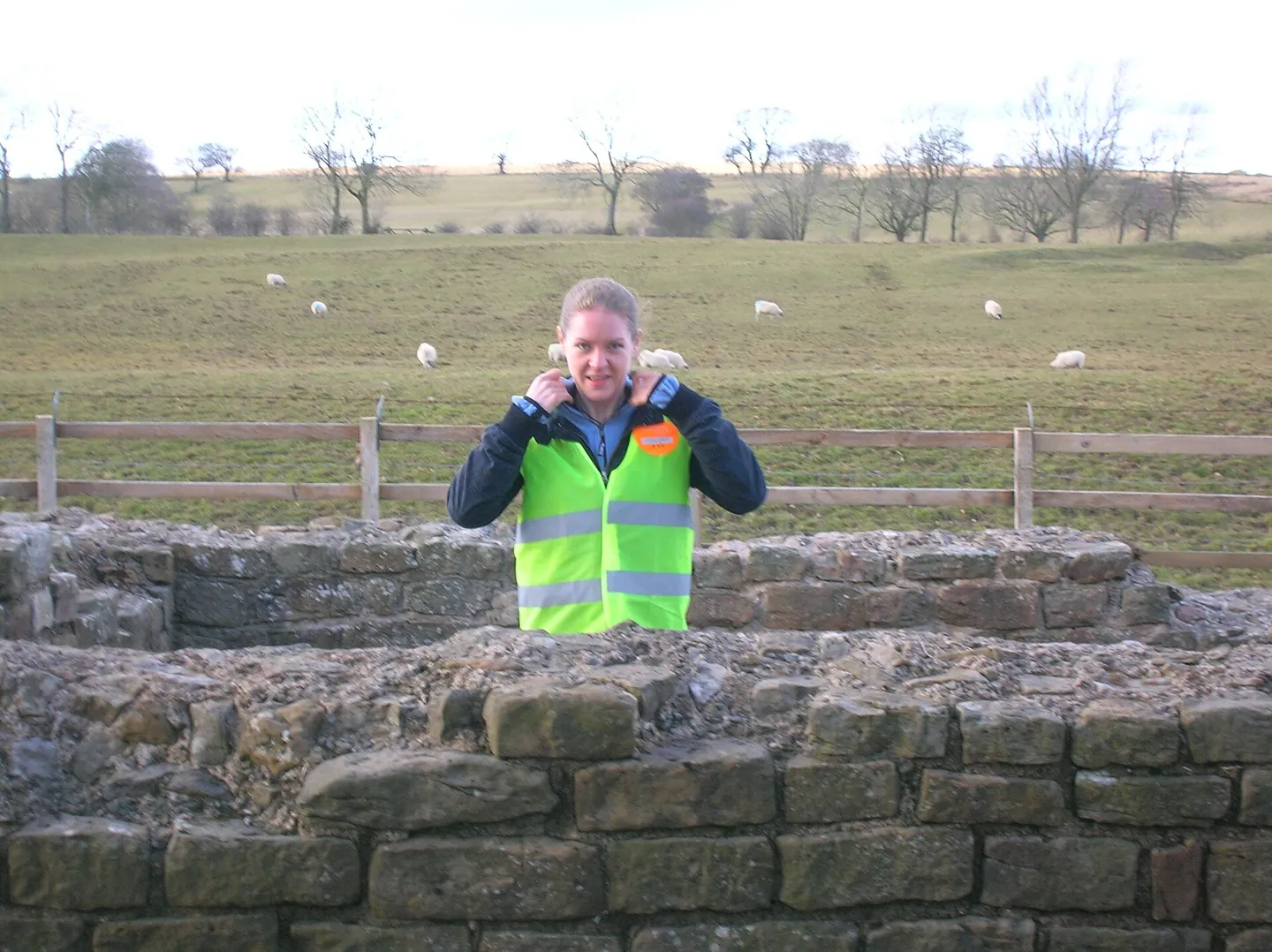
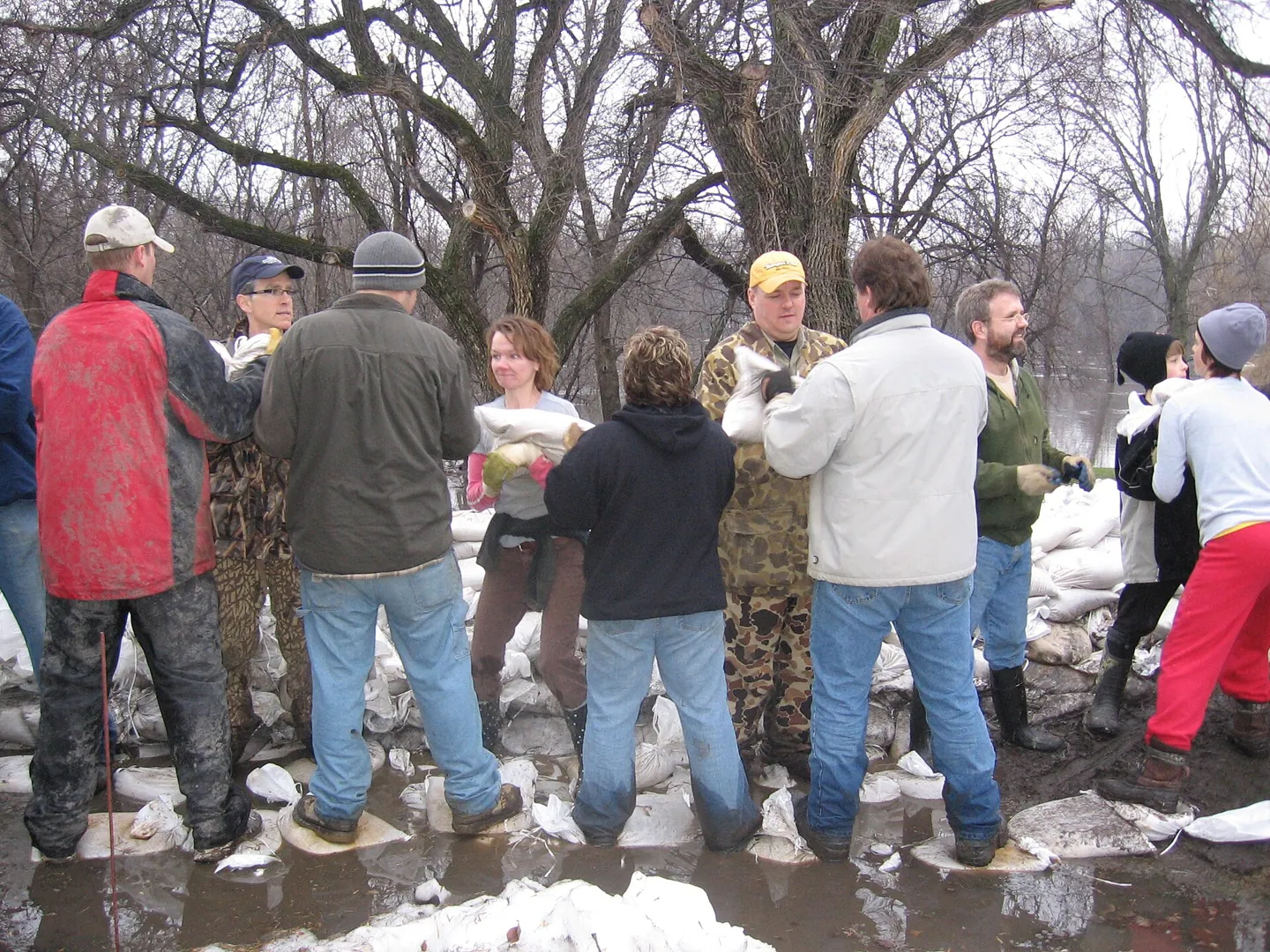
Do not self-deploy into floodwater, damaged buildings, fallen trees, unstable cliffs or other hazardous areas. A high-visibility vest does not provide training or authority. Emergency services may need the area kept clear. For household flood decisions, use flood preparation guidance rather than trying to organise an unofficial rescue.


Full image attribution
Leahill Turret 51B, volunteer at 'Illuminating Hadrian's Wall' 2010.JPG — Rosser1954 Roger Griffith; Public domain. Resized and converted to WebP; source: https://commons.wikimedia.org/wiki/File:Leahill_Turret_51B,_volunteer_at_%27Illuminating_Hadrian%27s_Wall%27_2010.JPG
Use the briefing to establish limits
Before starting, make sure you understand the location's hazards, emergency exits, welfare facilities and supervisor. Ask how to report an incident, a near miss or a person needing urgent assistance. Repeat the task back if it is unclear. A brief clarification can prevent hours of duplicated or misdirected work.
Agree what you may decide yourself and what requires approval. An information-desk volunteer may explain a published opening time but should not promise accommodation or medical transport. A delivery volunteer may take supplies to an agreed address but should not enter an unsafe property or accept a new passenger without authorisation.
Ready Scotland's community resilience guidance addresses volunteer health and safety. Use the organiser's risk assessment and procedures as the working instructions. If the conditions differ from the briefing, stop and ask for reassessment.
Protect privacy while keeping useful records
Record only the information needed for the agreed task, using the organisation's approved system. A delivery request may need an address and contact detail, but not a medical history. Keep personal information out of broad community chat groups and do not photograph forms on your own phone without authorisation.
Explain who will receive the information and why. People affected by an emergency may feel they must answer any question asked by somebody wearing a badge. Do not exploit that assumption. If a person declines non-essential information, ask the coordinator how to proceed.
Share safety concerns through the proper safeguarding or emergency route. Government charity safeguarding guidance for England and Wales says to follow organisational procedures and avoid promising secrecy. If someone is at immediate risk of harm, call 999 for Police. The NSPCC advises reporting concerns about staff or volunteers working with children without investigating them yourself. Do not confront an alleged abuser or post an accusation online. Record the facts as instructed and escalate promptly. Know the appropriate local safeguarding contact for the nation where you volunteer, including an alternative if your concern involves your usual supervisor.
For a neighbour you already know, agree check-in arrangements and consent before an emergency where possible. Our guide to supporting older relatives offers a useful starting point, while recognising that age alone does not define a person's needs or independence.
Separate confirmed information from reports
When passing on an update, include the source, time and area it applies to. A water collection point in one town may not serve another. A road that was open this morning may be closed now. Remove or correct outdated notices through the group's agreed process.
Do not turn uncertainty into certainty to reassure someone. It is better to say the coordinator is checking a delivery time than to promise a time you cannot support. Keep a short record of unanswered questions so that the next shift does not start from nothing.
Use Emergency Alerts guidance to understand official alerts, but do not assume every incident produces one. Broadcast radio and council or utility updates may provide other useful information. Radio operators should follow the limits described in amateur radio preparedness.

Full image attribution
Sandbagging Fargo 2009.JPG — Adam Quartarolo; CC BY 3.0. Resized and converted to WebP; source: https://commons.wikimedia.org/wiki/File:Sandbagging_Fargo_2009.JPG
Finish the shift properly
Use a short handover checklist before leaving:
- Give unresolved requests, changes and equipment to a named person.
- Distinguish completed tasks from attempted tasks.
- Tell the coordinator when you leave.
- Return identification, keys and records as required.
- Keep no private copy of residents' details.
"No answer at the door" is not confirmation that a person is safe, and "message sent" is not confirmation that supplies arrived. If someone contacts you directly afterwards, route the request back through the organisation rather than starting an informal parallel service.
Take breaks and speak up about fatigue or distress. Some incidents are upsetting even for volunteers far from the immediate danger. Ask about the organisation's support and debrief arrangements. Being dependable includes recognising when you need to stop.
A community centre during a local outage
Imagine a centre opening as an information and support point after a storm. One volunteer checks arrivals against the coordinator's system; another updates the noticeboard from verified council messages. A third helps with refreshments under the centre's food-handling arrangements. None needs to improvise a rescue role.
A resident then asks a volunteer to drive through a closed road to collect a relative. The correct response is to pass the concern to the coordinator and, if there is immediate danger, emergency services. Good intentions do not make the journey safe or authorised. The boundary protects the resident as well as the volunteer.
Common questions
Can I help without joining a response team?
Yes. Established local groups need administrative, practical and social support throughout the year. Ask about roles that match your time and skills.
Should I arrive at an emergency centre with donated goods?
Check the current official request first. Unrequested goods can create storage and sorting work, especially food with handling requirements. Give what the organisation says it can use.
Do I need first-aid training?
Some roles require it and others do not. Ask the organiser. If you want to learn, the first-aid learning guide explains course choices without treating attendance as permission for every task.
What if I think an assigned task is unsafe?
Stop, explain the concern and ask the supervisor to review it. Do not continue because other volunteers seem comfortable. If someone is in immediate danger, call emergency services.
Sources
- UK Government: Volunteering and helping others. Checked 2 November 2026.
- Health and Safety Executive: Volunteers: your health and safety. Checked 2 November 2026.
- Scottish Government: Health and safety for community resilience groups. Checked 2 November 2026.
- Scottish Government: Step 1: making your plan. Checked 2 November 2026.
- Department for Culture, Media and Sport: Guidance on reporting safeguarding concerns in a charity. Checked 2 November 2026.
- NSPCC: Managing allegations against or concerns about people who work or volunteer with children. Checked 2 November 2026.