
On this page
If you have left home and have nowhere safe to go, tell the responders directing the evacuation. Explain that you need information about shelter and, if relevant, transport. A rest centre may be part of the response, but you need the location and arrangements for this incident.
This guide covers what happens after leaving. It adds the arrival and onward-stay decisions to the leaving-home bag checklist. Do not return to collect a better bag while your home or street remains unsafe.
Find the centre opened for your incident
A leisure centre or community hall may have a role in an emergency plan without being open now. Use directions from emergency services, the council's official website or another official incident information channel. Check that a message names your incident and has a current date before travelling.
Ask for the entrance, the address and any assembly point you must use first. Explain if you cannot reach that point safely. The guide to evacuating without a car helps you describe transport needs without assuming a vehicle is available.
Names vary. Scottish Government guidance distinguishes rest centres from survivor reception, family and friends, and humanitarian assistance centres. A centre providing longer-term advice may have a different purpose from somewhere offering temporary shelter. Ask what the named centre does before relying on it for an overnight stay.
Expect basic facilities and ask what is available
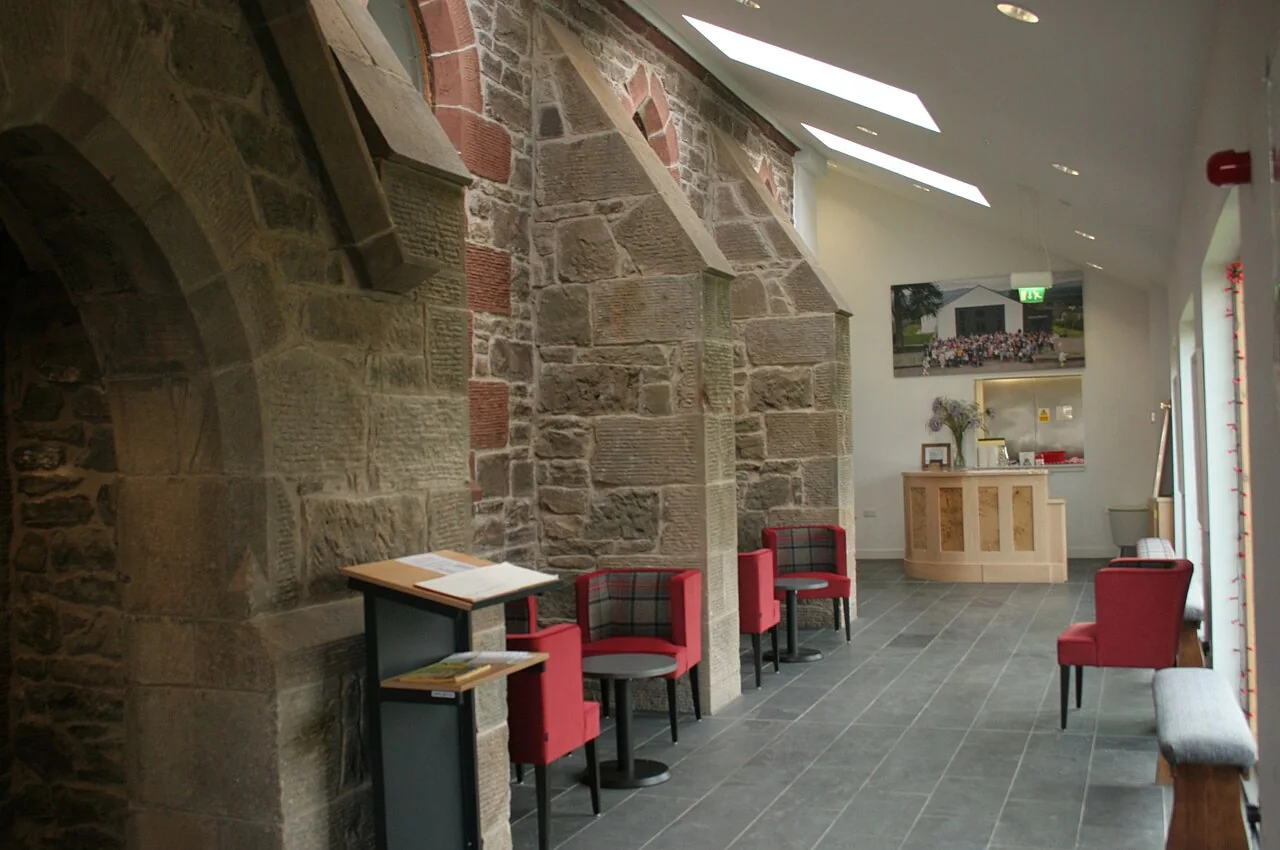
A rest centre is a temporary response to displacement. The building, incident and number of people affect the arrangements. Do not assume there will be private bedrooms, showers, reliable Wi-Fi, unlimited sockets or a suitable place for every item of equipment.
For a concrete local example, South Gloucestershire Council lists drinks, light snacks, washing and toilet facilities, and seating. Its page also describes basic bedding and air beds when a centre stays open overnight. Those are that council's published arrangements in England, not a UK minimum service promise.
Cornwall Council describes assembly points, rest centres and possible onward accommodation, with arrangements depending on the incident. Across England, Scotland, Wales and Northern Ireland, use local instructions. This guide does not establish a housing entitlement or promise a hotel room.
Tell reception what your household needs
Introduce your household to the staff receiving arrivals. Tell them who is present and whether anyone is separated from you. Ask where to report a missing family member or a concern about someone still in the affected area. Do not assume that arriving automatically tells your relatives where you are.
Keep your own short note of the time you arrived, the centre's name and the next action staff give you. If you are exhausted, ask someone you trust to help record instructions. Ask for a private conversation when information is sensitive.
| Situation | What to explain or ask |
|---|---|
| Communication barrier | Say whether you need written instructions, an interpreter, large print or another format. |
| Access or personal-care need | Describe the task you need help with and ask about suitable toilets, seating and assistance. |
| Essential equipment or medicine unavailable | Explain what is missing and when the next need arises. Ask who can help arrange appropriate advice. |
| Child or dependent adult | Say who is responsible for them and explain support needs or separation concerns. |
| Pet or assistance dog | Identify the animal and ask about the specific arrangements. |
| No safe onward address | Tell staff before making plans to leave. Ask who handles the next accommodation discussion. |
Scottish support-centre guidance covers recording basic information and consent to share it with relevant agencies. Ask staff why they need a detail and how they will use it. Share what staff need to arrange help, while keeping passwords and unrelated private records out of a general reception conversation.
Raise care and access needs early
A useful description names the barrier. "I need a toilet I can use with my wheelchair" gives staff more to work with than "I have additional needs". Explain if you cannot hear announcements, cannot stand for long or need a quieter place to understand instructions.
Bring a short access summary if it is available, but do not delay escape to retrieve one. The accessible emergency planning guide helps you prepare it in advance. Keep control over who sees detailed medical information.
If an essential medicine, device or care arrangement is unavailable, tell staff promptly and ask for appropriate professional help. Do not assume a general hall has clinical staff, specialist charging or safe medicine storage. Government advice for disabled people and carers recommends keeping care contacts and equipment information in a personal plan. Those details help you explain which service usually supports you.
Ask about pets and assistance dogs specifically
Tell reception about an assistance dog as an access need. Ask separately about arrangements for pets. Do not assume that pets can share the main hall or that staff can provide carriers, food or animal care.
South Gloucestershire's local rest-centre advice describes limited pet space and asks owners to bring their animals' supplies. Other centres may use different arrangements. Follow the pet emergency planning guide to agree a backup carer and keep veterinary contacts available. If an animal remains at home, tell responders rather than re-entering an unsafe area.
Plan the next safe place before leaving
Ask when the next update is expected and where staff will announce it. Tell your household contact that you are safe when you can. Share the centre's location privately rather than posting other evacuees' names, photographs or personal circumstances online.
If a friend can host you, confirm the address, access and journey before setting off. Tell centre staff you are leaving and ask whether they need your onward contact details. Keep the official information route for return-home updates.
If you have nowhere suitable, say so directly. Ask who can discuss housing or other assistance and how to reach them if the centre closes or relocates. In Wales, Natural Resources Wales advises people displaced by flooding to contact their insurer about temporary accommodation, or the local authority when accommodation is unavailable through insurance. Cover and local arrangements need checking in your own case.
For example, a friend may offer a sofa that is upstairs and inaccessible. Explain that the offer does not meet your needs. Ask about alternatives instead of treating any offered address as a completed plan. Return home only when the relevant authorities say it is safe.
Use the grab bag hub to prepare the information and essentials you can take if there is time.
Sources
Sources checked on 5 November 2026. The reception table and household examples are practical planning suggestions.
- Scottish Government, Care for people affected by emergencies, Annex B. Scotland.
- South Gloucestershire Council, Evacuation to a rest centre. Local example in England.
- Cornwall Council, Humanitarian assistance and evacuations. Local example in England.
- UK Government, Advice for disabled persons and carers.
- Natural Resources Wales, What to do after a flood. Wales.