

On this page
Start with training you can practise
First-aid supplies are more useful when you know how to use them. Choose teaching suited to your household and the situations you are likely to encounter. The UK first-aid learning guide explains how to compare courses, including practical sessions and refresher training.
The British Red Cross provides learning resources for adults and children. Work through a skill while you have time to practise. Reading an article is not a replacement for appropriate hands-on instruction.
Plan around individual needs
Discuss regular medication, mobility, communication and care arrangements with the people concerned. Ask their usual clinician, pharmacist or equipment provider about arrangements that depend on medical advice. Record the agreed contact details and where essential instructions are kept, without publishing personal health information.
If someone relies on powered medical equipment, use our medical-equipment power-cut guide to prepare questions for their provider. A consumer power bank or power station is not automatically a suitable backup. Confirm the equipment's requirements and the provider's advice before buying anything.
Keep the essentials findable
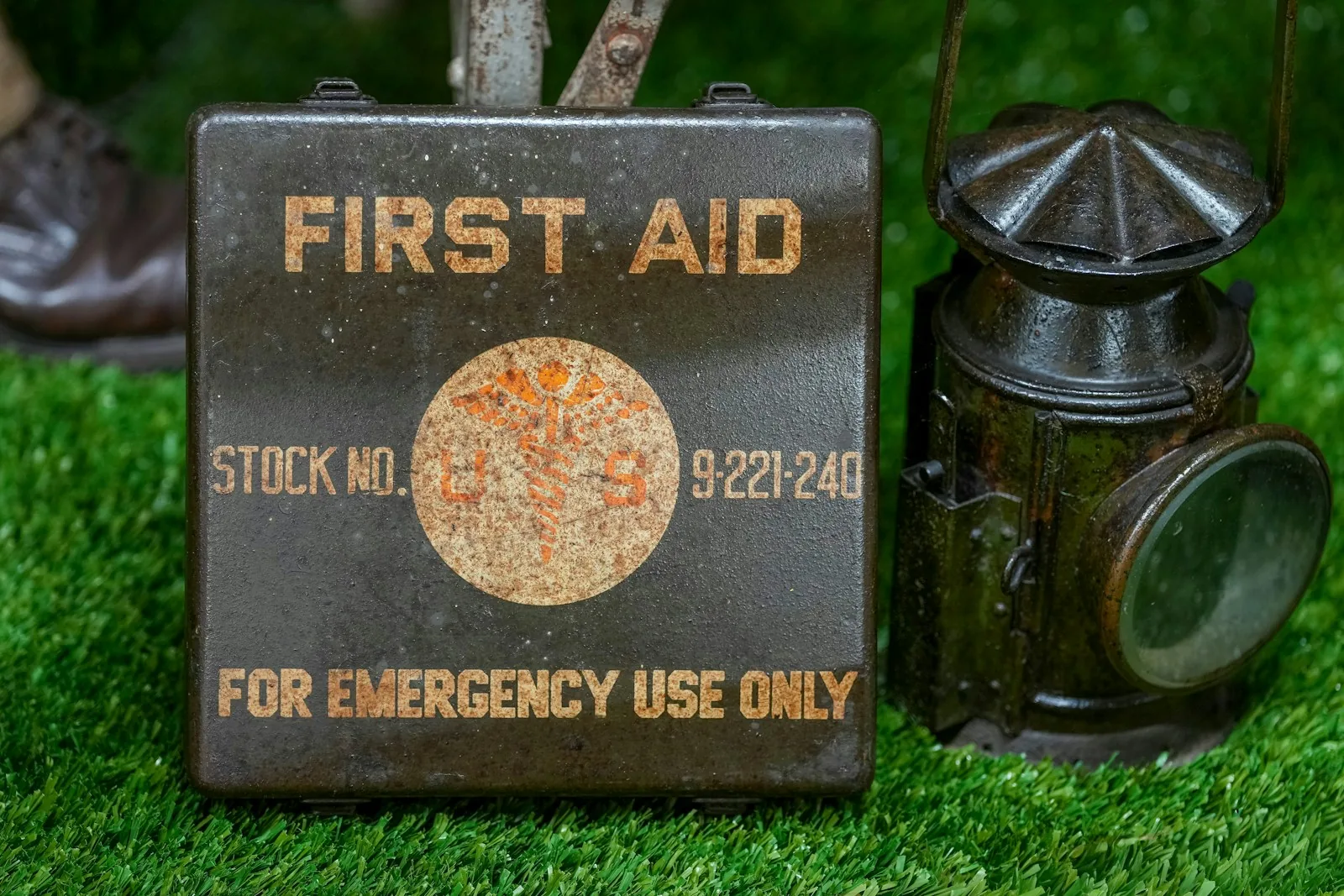
Keep household first-aid supplies together in a place adults can find and use safely. Check packaging, expiry dates and the kit instructions during your routine review. Replace used items. Store medicines and supplies as directed, considering children, pets and anyone who could mistake them for something else.
Write down key contacts and keep a paper copy of your household emergency plan. Agree who would check in, how to contact a carer and what to do if a phone cannot be used.
Know where to ask for help
For a life-threatening emergency, call 999 or 112. This website cannot assess symptoms or provide emergency assistance. For other health concerns, use the appropriate NHS service where you live or your usual care team. The official-help directory separates national services and current information sources.
Check eligibility for your utility's Priority Services Register. Registration can help providers understand support needs, but it does not guarantee an uninterrupted supply or replace a personal care plan.